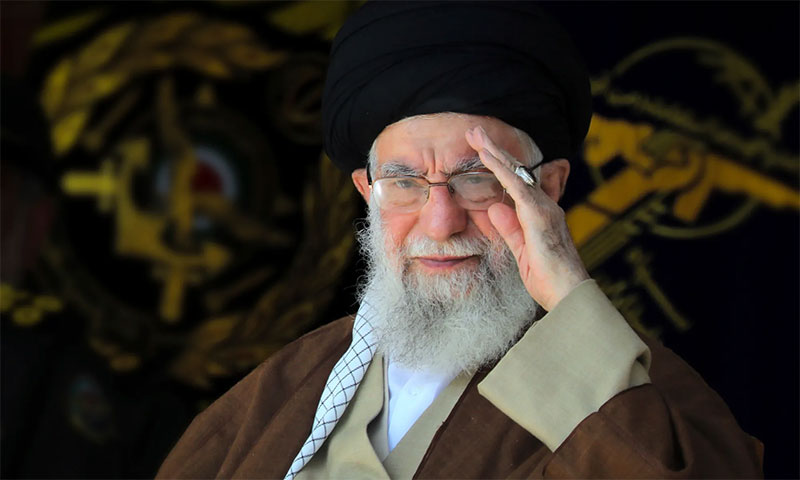
Iran’s Supreme Leader Ayatollah Ali Khamenei has been killed in joint military strikes by the United States and Israel, Iranian state media confirmed early Sunday, marking one of the most significant escalations in Middle East tensions in decades. The attacks targeted his compound in Tehran as part of a broader offensive launched late Saturday under what U.S. officials have described as a pre-emptive military campaign.
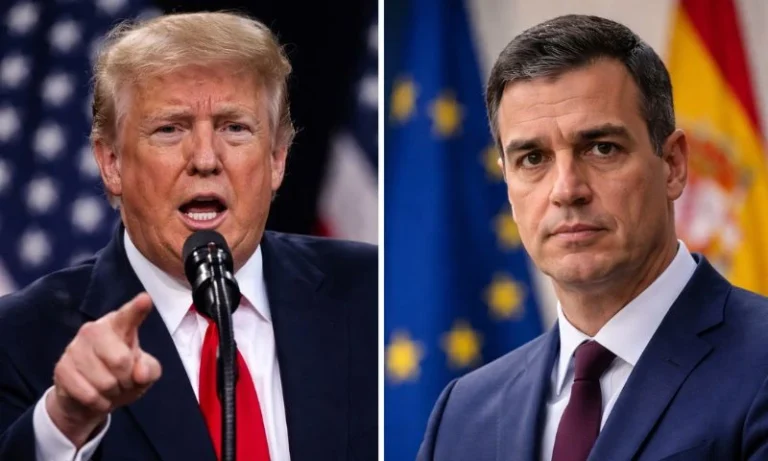
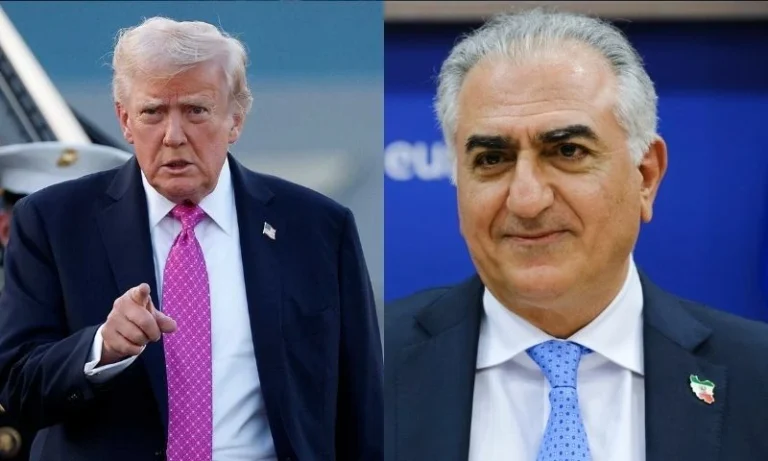
Khamenei, 86, had led the Islamic Republic since 1989, holding ultimate authority over political, military and religious affairs in Iran. His death was confirmed shortly after U.S. President Donald Trump publicly announced the strike, calling it a decisive action against what he described as a persistent threat to U.S. and regional security.
Government Declares Mourning and Public Holidays
Following the confirmation, the Iranian government declared 40 days of official mourning nationwide and announced seven days of public holidays as a mark of respect for the late leader. State media also reported that several of Khamenei’s family members, including his daughter, son-in-law and granddaughter, were killed in the attack, with additional reports indicating that another relative was also among the casualties.
US and Israeli Military Operation
The strike forms part of a major joint operation by the United States and Israel, known in military circles as Operation Epic Fury and Operation Roaring Lion, targeting Iran’s leadership, nuclear infrastructure and strategic military sites. U.S. officials said the attack was timed to coincide with a high-level meeting of Khamenei and senior aides, based on intelligence that ensured the operation’s maximum impact.
President Trump described the strikes as a necessary step to protect American forces and allies, asserting that advanced intelligence systems enabled precise targeting. He wrote that Khamenei was unable to evade capture or destruction, even with sophisticated tracking and surveillance efforts.
Immediate Retaliation from Iran
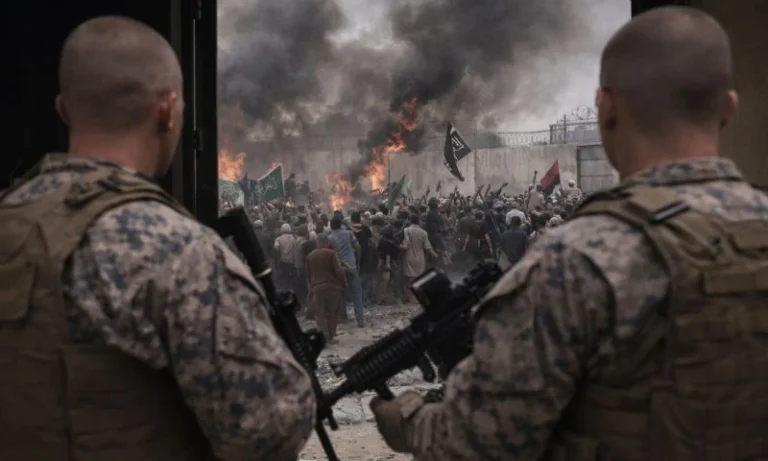
Hours after the strikes, Iran launched missile and drone attacks against U.S. bases in the Gulf and Israeli territory, escalating the conflict into a broader regional confrontation. Reports have emerged of civilian and military casualties on both sides, as well as damage to infrastructure across the region.
The Islamic Revolutionary Guard Corps has pledged continued retaliation, portraying Khamenei’s death as martyrdom at the hands of “vicious terrorists” and vowing that the “hand of revenge” will not let the attackers go unpunished.
Global Reactions and Consequences
World leaders have reacted with alarm to the rapid escalation. The United Nations and major powers called for restraint and urgent diplomacy to prevent further spillover into neighboring countries. Oil markets also reacted sharply, with global crude prices rising due to fears of disrupted supplies through the Strait of Hormuz.
Analysts say Khamenei’s death creates a significant power vacuum in Tehran. His successor has not yet been named, and Iran’s Assembly of Experts, a clerical body responsible for selecting the next supreme leader, is expected to convene soon. Some experts believe hardliners within the Islamic Revolutionary Guard Corps could assert greater influence during the transition.
The conflict, which erupted amid months of failed nuclear negotiations, regional proxy tensions and internal Iranian protests driven in part by economic hardship, now stands on the brink of broader war with global implications.