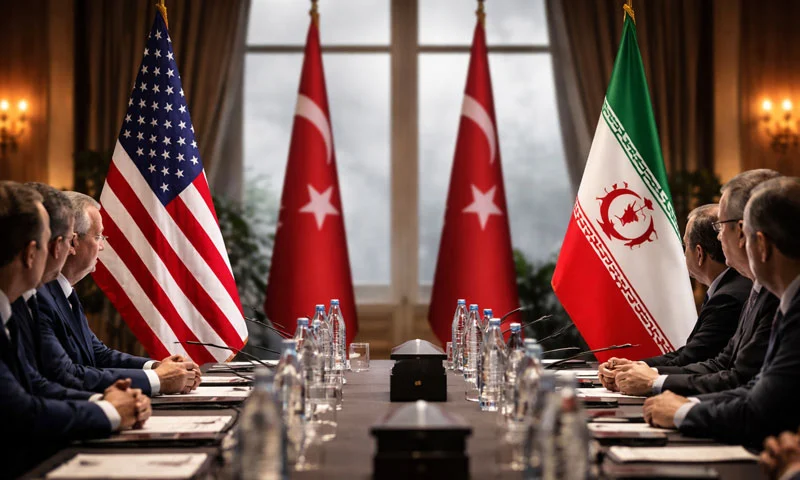
A fresh round of high-level talks between the United States and Iran is expected to unfold in Istanbul, Turkey, this week, marking one of the most consequential diplomatic engagements in years as both sides weigh the future of nuclear negotiations and broader regional tensions. The meeting comes after Tehran signalled a willingness to restart dialogue and Washington warned of serious consequences if talks collapse, underscoring the urgency of diplomatic efforts to avert wider conflict.
According to diplomatic sources, US special envoy Steve Witkoff and Iranian officials, including Foreign Minister Abbas Araqchi, are likely to meet in Turkey on February 6 with representatives from regional intermediaries — including Türkiye, Qatar, Egypt and Oman — taking part. The meeting follows interventions by several regional states aimed at reducing friction and rebuilding trust between the two governments.
Why These Talks Matter
The US–Iran relationship has long been defined by acrimony over Tehran’s nuclear programme, regional influence, and rhetoric from both capitals. Underlying current dynamics is a broader struggle over nuclear non-proliferation, regional security and the risk of open conflict in the Middle East. Both sides have signalled divergent positions: while Washington insists on curbing Iran’s nuclear capability, Tehran has repeatedly stated it will not negotiate under coercive conditions and wants a “fair” dialogue that respects its right to peaceful nuclear enrichment.
Read More: Explained: The Root of the US–Iran Crisis and the Dangers Ahead
A core sticking point lies in trust and sequencing. Iranian officials have publicly said serious negotiations cannot proceed unless there is mutual trust and a clear, structured framework. They also insist that defence and missile capabilities remain off limits for bargaining, a position that complicates Washington’s demands for broader concessions.
Regional and Global Stakes
The diplomatic push reflects alarm among global powers about the potential for escalation. Russia has joined international calls for restraint, warning that military actions could destabilise the Middle East and lead to broader chaos. Moscow emphasised that continued negotiations are preferable to the use of force and that diplomatic channels should be exhausted before any military option is considered.
“We have ships heading to Iran right now, big ones … and we have talks going on with Iran. We’ll see how it all works out.” — President Trump pic.twitter.com/7IshgqGx80
— Department of State (@StateDept) February 2, 2026
Experts say these negotiations hold significant implications beyond US–Iran relations. A successful agreement could reinforce the global non-proliferation regime and reduce the risk of a costly military confrontation. It could also ease economic pressure on Tehran, which has faced crippling sanctions and inflation-inducing strains on its economy, and might open pathways to foreign investment and regional economic integration.
Risks if Talks Fail
If negotiations collapse, the consequences may be severe. Several analysts warn that failure could accelerate Iran’s nuclear programme, shorten its “breakout time” for acquiring weapons-usable material, and provoke military action by the US or its allies — potentially drawing in Israel and sparking a broader regional war. Such a scenario could destabilise global energy markets, exacerbate tensions across the Middle East, and undermine long-standing non-proliferation frameworks.
Both sides have expressed an interest in diplomacy, but the outcome remains uncertain. As Istanbul prepares to host these pivotal talks, the world watches whether reasoned negotiations can avert a slide into conflict, or if unresolved disputes will lead to further instability.