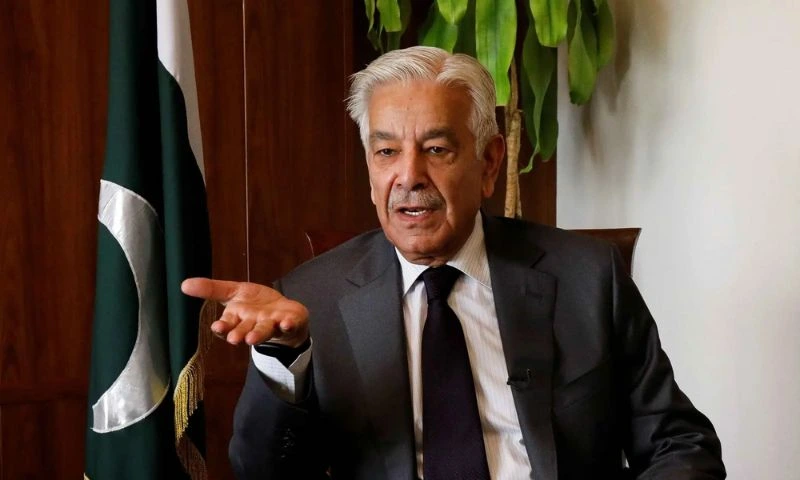
Federal Defence Minister Khawaja Muhammad Asif has publicly blamed organised begging networks for recent visa restrictions imposed on Pakistani citizens by some Gulf countries. He warned that the phenomenon is damaging Pakistan’s global image and harming overseas travel opportunities.
Asif made the remarks on February 9, 2026, during a session of the National Assembly Standing Committee on Overseas Pakistanis and Human Resource Development and in a post shared on the X social media platform. He said the so-called “begging mafia” has turned street solicitation into a professional business. “Begging has become a full-fledged profession,” he wrote. “It is completely organised.”
The minister claimed that networks of contractors recruit vulnerable groups including children, women, and people feigning disabilities. These recruiters earn substantial money by exploiting them and arranging overseas travel. According to Asif, this illicit industry even “exports” beggars to Gulf states, prompting visa measures in response.
He cited data from the Federal Investigation Agency (FIA), saying that last year more than 66,000 passengers were off-loaded at airports to curb organised begging gangs and illegal migrants from departing Pakistan. Of those stopped, about 51,000 had questionable travel documents across categories such as work, tourist, and Umrah visas.
بھیک مانگنا ایک پروفیشن بن چکا ھے۔ جو باقاعدہ آرگنائزڈ ھے۔ اسکے باقاعدہ ٹھیکیدار موجود ھیں جو بچوں عورتوں اور جعلی معذوروں کو بھرتی کرکے کروڑوں کما رہے ھیں۔ یہی مافیا انہی بھیک منگوں کو گلف کے ملکوں میں ھزاروں کی تعداد میں ایکسپورٹ کر رہے ھیں ۔ ان ملکوں نے زچ ھو کر ھمارے ویز ے… pic.twitter.com/NRv3Ga1yBC
— Khawaja M. Asif (@KhawajaMAsif) February 9, 2026
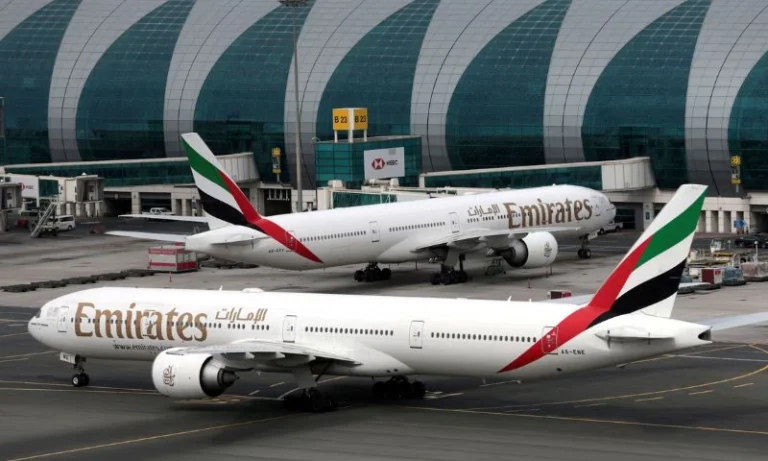
Asif also pointed to the deportation of tens of thousands of beggars from Gulf countries. He said 56,000 beggars were deported from Saudi Arabia, and that other Gulf states such as the United Arab Emirates had also imposed visa restrictions because of the issue.
Beyond labelling the activity organised, the defence minister alleged that some airport officials and staff from government departments are complicit in facilitating the illicit trade. He said these officials profit from the operation by helping beggars travel abroad.
Asif highlighted Sialkot as a key city where organised begging remains active. He said many beggars come from southern Punjab, stay in hotels, and carry out solicitation work across the area. He added that while recent police and local administration actions have reduced the scale of the problem, the organised networks are still operating.
The minister warned that such a widespread enterprise cannot thrive without the tacit support of local authorities and police, and he called for serious, sustained action to dismantle the criminal networks involved. He described organised begging as one of the largest sources of so-called employment in the country, linking it to other unsettling criminal activities.