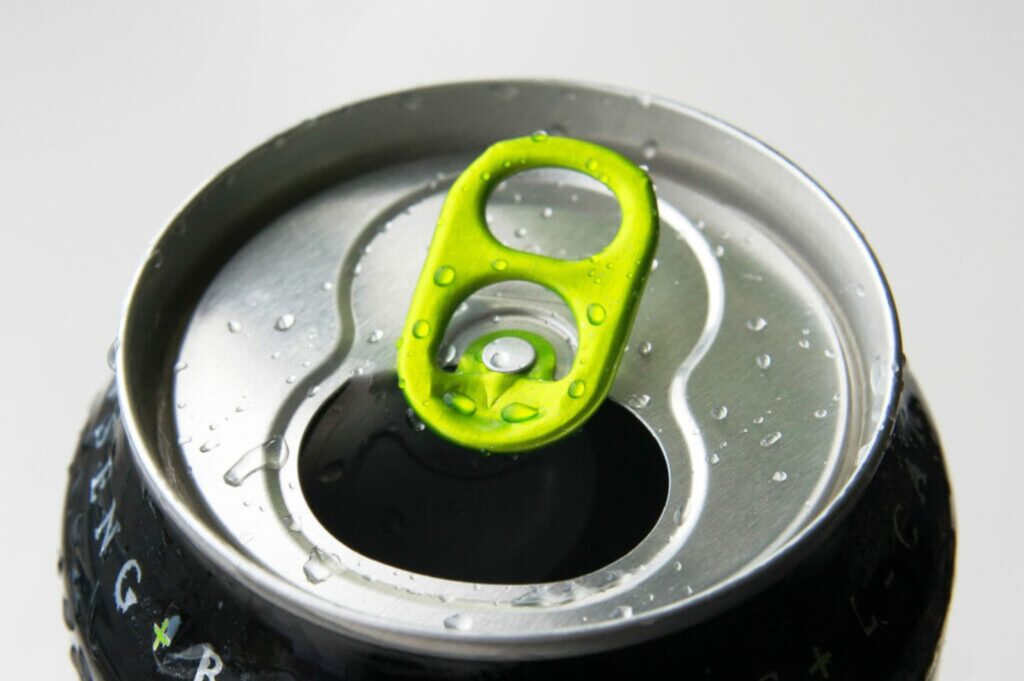
Kuwait has introduced some of the region’s strictest regulations on energy drinks, as the government moves to address growing health concerns, particularly among young people. The new rules were issued through a ministerial decision by Ahmed Abdulwahab Al Awadhi, Kuwait’s Minister of Health, and are aimed at regulating the sale, circulation, and consumption of energy drinks across the country.
Under the new framework, energy drinks may only be sold to individuals aged 18 and above. Consumption has also been capped, with a maximum of two cans allowed per person per day. In addition, strict limits have been placed on caffeine levels, with each can not permitted to exceed 80 milligrams of caffeine per 250 millilitres. Health officials say the move is intended to reduce the risk of excessive caffeine intake, which has been linked to sleep disorders, heart palpitations, anxiety, and other health issues.
The regulations go beyond age and consumption limits. Producers and importers are now required to display clear, prominent health warnings on all energy drink packaging. These warnings are meant to inform consumers about potential health risks, especially when drinks are consumed excessively or mixed with other stimulants.
In a sweeping step, Kuwait has also banned all forms of commercial advertising and sponsorships linked to energy drinks. This includes promotions through media, events, and brand partnerships, reflecting the government’s intent to limit the products’ appeal, particularly to younger audiences.
Sales restrictions form a major part of the decision. Energy drinks are now prohibited in all public and private educational institutions, including schools, institutes, and universities. Government buildings and entities are also included in the ban. In addition, the sale of energy drinks has been barred in restaurants, cafés, grocery stores, food trucks of all sizes, and self-service vending machines.
The rules further extend to digital platforms. Online ordering and delivery services are no longer allowed to sell or deliver energy drinks, effectively blocking home delivery nationwide.
Health experts have welcomed the move, noting that global concerns over energy drink consumption—especially among youth—have prompted similar debates in Europe and other parts of the world. Kuwaiti authorities say the decision reflects a broader public health strategy focused on prevention, awareness, and long-term wellbeing.
With these measures now in place, Kuwait signals a firm stance on regulating high-caffeine beverages while prioritizing public health over commercial interests.