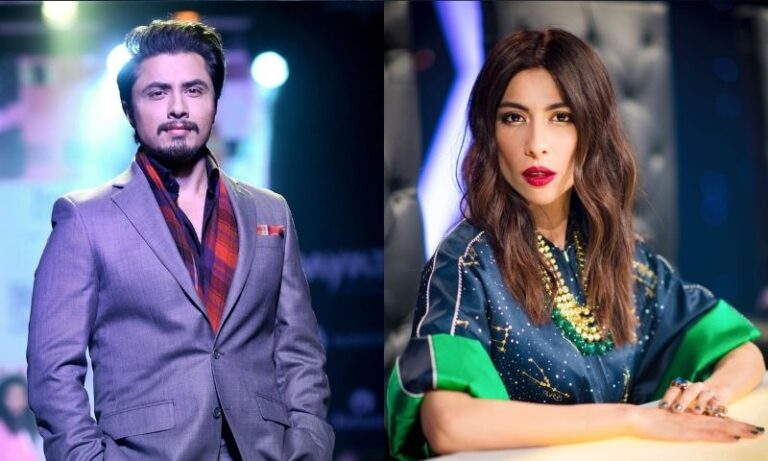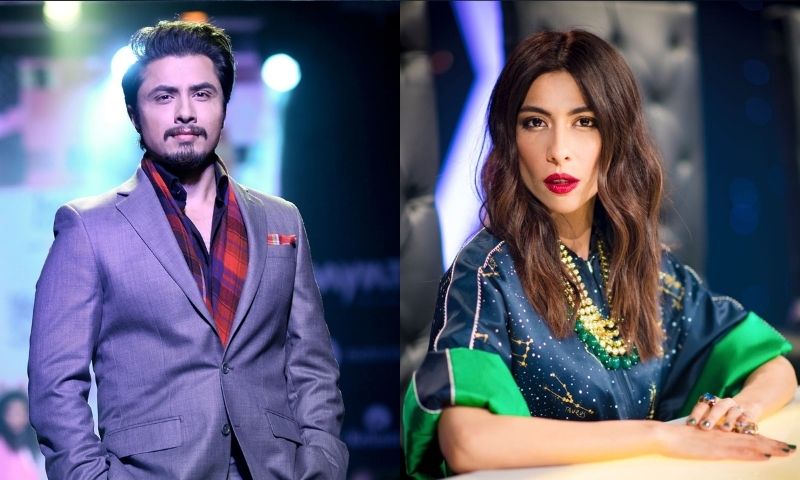
A sessions court in Lahore has ordered singer Meesha Shafi to pay Rs5 million in damages to singer and actor Ali Zafar in a high-profile defamation case stemming from sexual harassment allegations.
According to the court’s short order, the statements made by Shafi through a social media post and an interview were declared defamatory and unsubstantiated. The court stated that these claims “contain false, defamatory and injurious imputations against the plaintiff (Zafar)” and that the allegations “have not been proved to be true or made for public good.”
The ruling concluded that the accusations constituted actionable defamation under the law.
Compensation awarded for reputational damage
The court awarded Rs5 million to Ali Zafar as general damages, citing harm to his reputation, dignity, and mental well-being.
The order stated, “Accordingly, a sum of Rs5,000,000 … is awarded to the plaintiff as general damages only, recoverable from the defendant.”
However, the court did not accept claims for additional or special damages, noting that these were “not proved through cogent and reliable evidence.”
Permanent restriction imposed on Meesha Shafi
In a significant directive, the court also imposed a permanent restriction on Shafi, barring her from repeating the allegations in any form.
The order stated that the defendant is “permanently restrained from repeating, publishing, or causing to be published… the aforesaid defamatory allegations… in any form of media, including print, electronic or social media.”
Background of the case
The case dates back to 2018, when Meesha Shafi publicly accused Ali Zafar of sexual harassment, claiming that the incidents occurred on multiple occasions.
In response, Zafar filed a defamation lawsuit, arguing that the allegations severely damaged his public image and caused distress to him and his family. He initially sought Rs1 billion in damages.
The legal battle continued for several years, with both sides presenting arguments and evidence before the court.
Arguments presented in court
During the final hearings, Zafar’s lawyer, Advocate Umar Tariq Gill, maintained that the allegations were false and had caused significant reputational harm. He argued that no other individual had ever made similar accusations against the singer.
On the other hand, Shafi’s counsel, Advocate Saqib Jilani, urged the court to dismiss the case. He argued that no concrete evidence had been presented by the plaintiff and emphasized that Shafi had consistently maintained her account throughout cross-examination.
The defence also contended that Shafi should not be penalised for speaking about her personal experiences.
Verdict follows conclusion of hearings
The court had concluded hearing arguments from both sides a day earlier, signalling that a final verdict would be announced shortly. The judgment delivered on Tuesday brings a major legal development in one of Pakistan’s most closely followed celebrity disputes.
Broader context
The case became one of the most prominent #MeToo-related controversies in Pakistan, sparking nationwide debate about workplace harassment, defamation laws, and the burden of proof in such cases.
Legal experts note that the ruling may have wider implications for how defamation and harassment allegations are handled in Pakistan’s courts, especially when they involve public figures and social media statements.