Tourism across the Middle East has slowed sharply as the ongoing conflict involving the United States, Israel and Iran creates uncertainty for travelers and businesses. Cancelled flights, postponed trips and safety concerns are casting a shadow over a region that has become one of the world’s most popular tourism destinations.
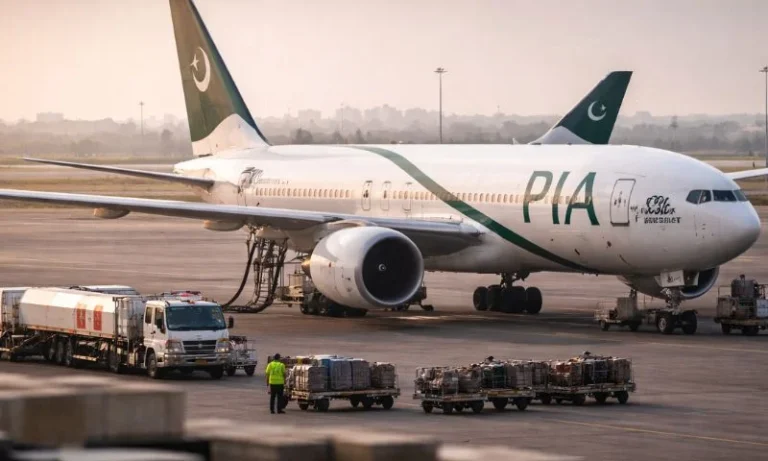
The war has disrupted travel routes and forced airlines to suspend or reroute flights through several major aviation hubs in the Gulf. Airports in cities such as Dubai, Abu Dhabi and Doha serve as critical transit points for international travel, meaning disruptions in the region are affecting tourism flows worldwide.
Industry experts say the sudden escalation of the conflict has left travelers uncertain about visiting the region, while tour operators and airlines struggle to adjust their schedules.
Cancellations and Postponed Holidays
Travel agencies report that many tourists have cancelled or postponed their trips to Middle Eastern destinations as the conflict intensifies. The uncertainty has affected hotels, airlines and tour companies that depend heavily on international visitors.
The Gulf region has spent years building its reputation as a luxury tourism hub with large investments in infrastructure, cultural attractions and hospitality projects. Cities such as Dubai, Abu Dhabi and Doha have emerged as major travel destinations offering world class shopping, entertainment and business tourism.
However, the conflict has disrupted this momentum. Tour operators say travelers are hesitant to book holidays until the situation stabilizes.
Global tourism analysts note that geopolitical tensions often have an immediate effect on travel patterns. Concerns about safety, airspace closures and flight disruptions can quickly discourage visitors from planning trips to affected regions.
Aviation Disruptions Hit Tourism Industry
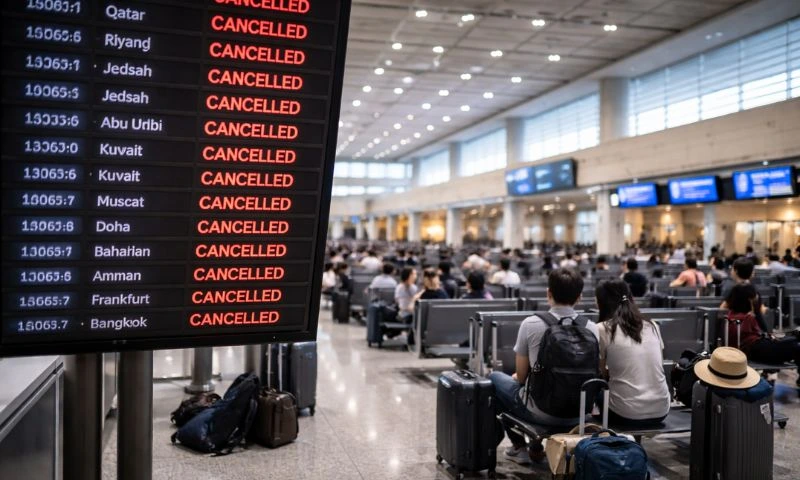
One of the most immediate impacts of the war has been on air travel. Several flights across the region have been cancelled or delayed, leaving thousands of passengers stranded and forcing airlines to change routes.
The Middle East is one of the world’s most important aviation crossroads, handling a significant share of international transit traffic. When conflicts disrupt this network, the effects are felt across the global travel industry.
Research indicates that more than 5,000 flights were cancelled during the early days of the conflict, highlighting the scale of the disruption.
The crisis has also raised concerns about the broader economic impact on tourism dependent economies.
Billions of Dollars at Risk
Tourism is a major economic driver across the Middle East. Analysts estimate that the sector contributes hundreds of billions of dollars annually to regional economies and supports millions of jobs.
However, experts warn that if the conflict continues, visitor numbers could decline significantly. Some projections suggest international arrivals in the region could drop by 11 to 27 percent in 2026, potentially costing tens of billions of dollars in lost tourism revenue.
Beyond immediate financial losses, prolonged instability could damage the region’s reputation as a safe travel destination.
Long Term Outlook Remains Uncertain
Despite the current disruption, tourism experts say the long term outlook will depend on how quickly the conflict is resolved. The Middle East tourism industry has demonstrated resilience in the past, recovering from economic crises and global disruptions.
For now, however, uncertainty continues to dominate travel planning. Airlines, travel agencies and hospitality businesses are closely monitoring developments as they wait for stability to return to the region.
Until then, many tourists appear to be adopting a cautious approach, delaying trips and seeking alternative destinations.