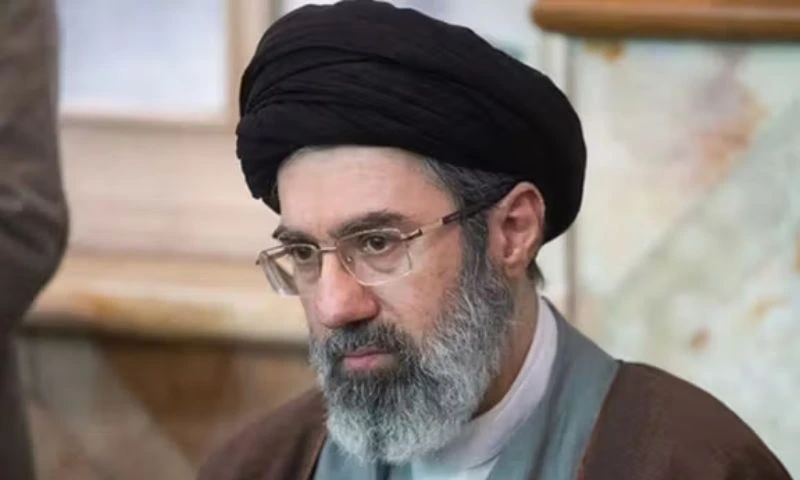
Iran has appointed Mojtaba Khamenei as the country’s new Supreme Leader following the death of his father, Ayatollah Ali Khamenei, in a strike during the ongoing conflict involving the United States and Israel. The announcement was made by Iran’s powerful Assembly of Experts, the clerical body responsible for selecting the leader of the Islamic Republic.
The appointment signals that hard line leadership remains firmly in control in Tehran as the region faces one of its most intense conflicts in recent years.
Assembly of Experts Confirms Leadership Change
The Assembly of Experts, an influential body of 88 clerics, voted to appoint Mojtaba Khamenei as the third Supreme Leader of Iran since the Islamic Revolution of 1979. The decision was announced shortly after midnight in Tehran.
In its official statement, the assembly said it had chosen him through a decisive vote. The statement declared, “The Assembly of Experts appointed Ayatollah Seyyed Mojtaba Hosseini Khamenei as the third leader of the Islamic Republic of Iran.”
The position of Supreme Leader is the most powerful office in Iran. The leader has the final authority over the military, judiciary, foreign policy and the country’s key strategic decisions.
Leadership Transition During Wartime
The leadership transition comes during a dramatic escalation in hostilities between Iran and the US Israel alliance. Ali Khamenei, who led Iran for more than three decades, was killed during one of the early strikes launched in the conflict.
Iranian officials say the war has already caused significant casualties and damage across the country. Iran’s ambassador to the United Nations reported that at least 1,332 Iranian civilians have been killed and thousands more injured since the beginning of the conflict.
Meanwhile, the US military has also confirmed casualties. American officials reported that seven US service members have died from wounds sustained during Iran’s counter attacks.
The war has also seen targeted strikes on Iranian officials. Israel recently claimed it killed Abolqasem Babaian, the newly appointed head of the military office of the Supreme Leader, in an air strike.
Read More: Iran’s Supreme Leader Khamenei Killed in US-Israeli Strikes, 40 days of mourning announced in Iran
Strong Reactions from the United States and Israel
Mojtaba Khamenei’s appointment is expected to provoke strong reactions from Washington and Tel Aviv. US President Donald Trump has already warned that the United States should have influence over Iran’s leadership decision. Trump said in an interview that “If he doesn’t get approval from us, he’s not going to last long.”
Before the announcement, Israeli officials had also threatened to target whoever assumed Iran’s top leadership position. These warnings highlight the growing tensions surrounding the new leader’s appointment.
Iran Signals Defiance Amid Conflict
Despite international pressure, Iranian leaders have signaled that they are not seeking a ceasefire. Iran’s parliament speaker Mohammad Bagher Qalibaf said Tehran would continue its response to the attacks. He stated that Iran would “punish aggressors” rather than pursue an immediate halt to the fighting. The appointment of Mojtaba Khamenei therefore represents both a leadership transition and a message of political continuity from Tehran.
Read More: Life of Iran’s Ayatollah Ali Khamenei: From Seminary Student to Powerful Supreme Leader
A New Leader at a Critical Moment
The selection of Mojtaba Khamenei marks a historic moment for Iran. He now assumes leadership during a period of war, political tension and global scrutiny. Analysts say the coming months will determine how the new Supreme Leader manages the conflict, relations with global powers and the future direction of Iran’s political system.