Several U.S. military fighter jets crashed in Kuwaiti airspace on Monday, March 2, 2026, as tensions in the Middle East intensified into a broader confrontation involving the United States, Iran and allied forces. The Kuwaiti Ministry of Defence confirmed the crashes, stating that all crew members survived and were evacuated safely.
Aircraft Crashes Amid War Escalation
According to official statements by Kuwait’s Ministry of Defence, several U.S. warplanes crashed on Monday morning during ongoing hostilities in West Asia. The ministry said that all crew members survived and were taken to hospitals for medical evaluation, adding that search and rescue operations were deployed immediately following the crashes.
Videos circulating online show at least one U.S. F-15 fighter jet descending through the sky engulfed in smoke and flames before crashing, with footage suggesting the pilots ejected safely before impact. Kuwaiti security forces were seen assisting and escorting the jets’ crew members after they reached the ground.
State media from Iran claimed responsibility for downing some of the aircraft, asserting that Iranian defenses had struck U.S. jets during the widening conflict. However, some reports have also raised the possibility of “friendly fire” incidents within the complex combat environment, though this has not been officially confirmed.
Read More:
Context of the Regional Conflict
The crashes come as part of a rapid escalation in the Middle East conflict, which began after a joint U.S.-Israeli military operation targeted key Iranian sites and leadership. Among the most significant developments was the reported killing of Iran’s Supreme Leader Ayatollah Ali Khamenei in a coordinated airstrike, forcing Tehran to launch extensive retaliatory strikes across the Gulf. These attacks have involved ballistic missiles and drones targeting strategic sites in several countries, including Kuwait.
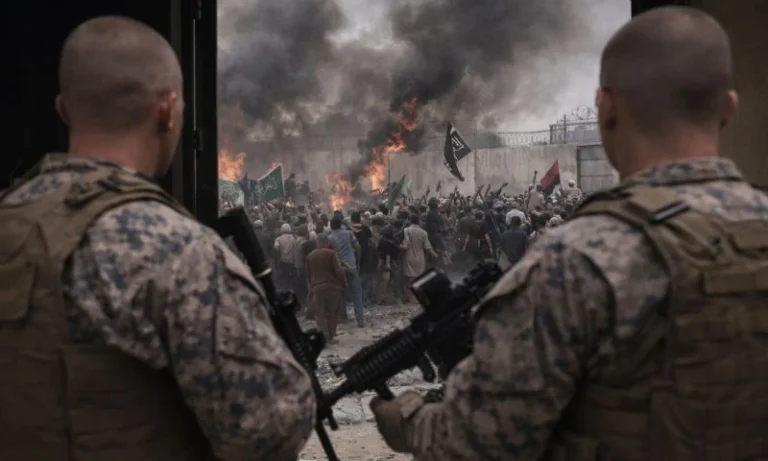
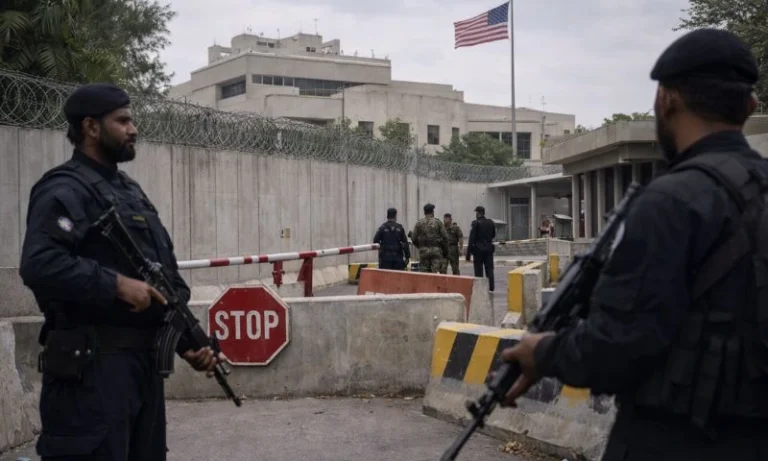
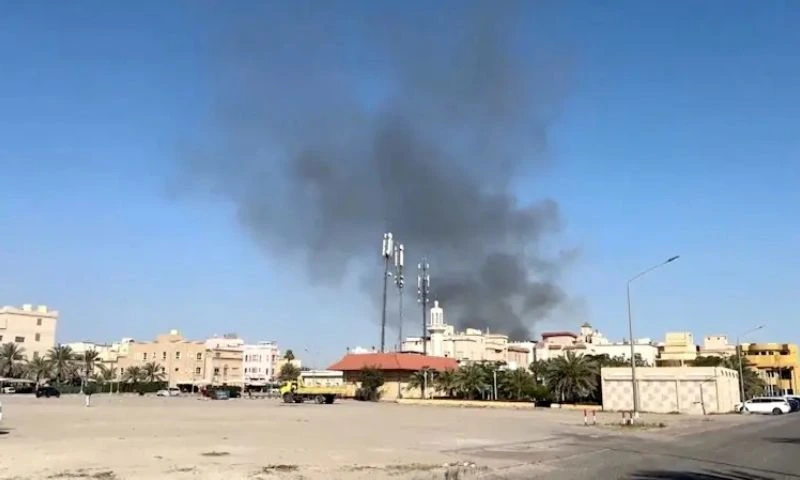
The Iranian response has triggered air defense alerts in multiple nations, with Kuwaiti forces reportedly intercepting hostile drones and missile threats in its airspace for the third consecutive day. Smoke was also seen near the U.S. Embassy in Kuwait City, prompting diplomatic warnings for American citizens to seek shelter and stay vigilant.
Strategic and Human Impact
While the crashes of U.S. military aircraft mark a significant event in this conflict, authorities in Kuwait and the United States have stressed that all crew members survived and that their conditions were stable as of the latest reports. Nevertheless, the incidents represent the first confirmed losses of American combat aircraft in Kuwaiti territory since the conflict intensified.
The broader Middle East crisis has already had far-reaching effects beyond military engagements. Civilian populations in Gulf cities such as Dubai, Abu Dhabi and Qatar have experienced airspace closures, disruptions to commercial flights, and evacuations of foreign nationals. Regional stock markets shut down as a precaution, and oil prices surged amid fears of further geopolitical instability.
Read More: PIA Suspends Flights to UAE, Qatar, Kuwait and Bahrain After Middle East Tension
Diplomatic and Military Reactions
Global leaders have reacted to the intensifying conflict with a mix of condemnation and calls for de-escalation. Iran’s top security officials have stated that Tehran will not negotiate with the United States, while several Western nations, including the United Kingdom and France, have pledged support for regional allies. Meanwhile, the United States continues military operations in the region, asserting that it will maintain its strategic posture against threats from Iranian forces.
As the conflict continues, the international community remains closely watching developments and urging diplomatic channels to prevent further escalation that could engulf wider parts of the Middle East in open warfare.