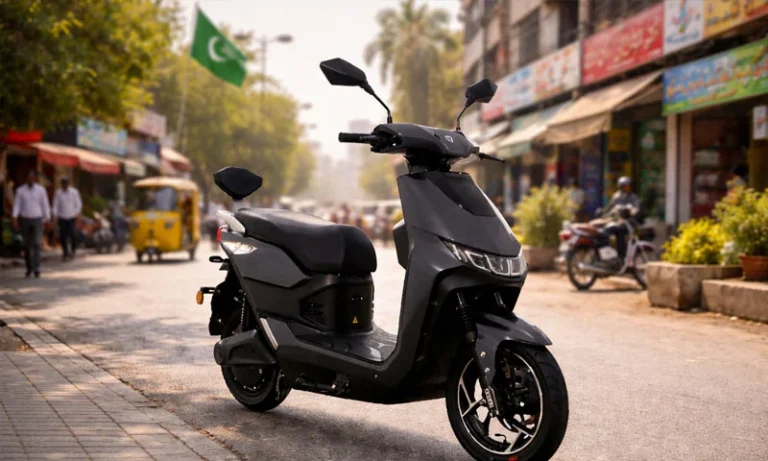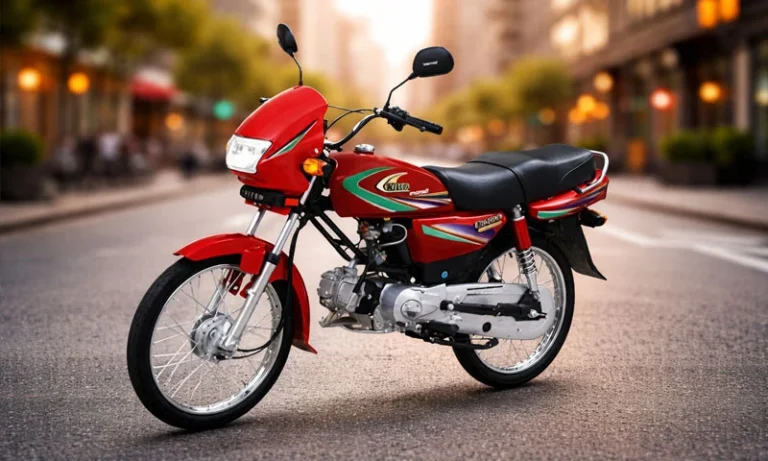
Pakistan has finalised a mobile application-based fuel quota system aimed at motorcycles, rickshaws and possibly small cars up to 800cc. The move comes as the country faces rising fuel costs and pressure on energy supplies.
The system is designed to provide targeted subsidies to low-income users while encouraging fuel conservation across the wider population. Officials say final quota limits will be decided by the cabinet committee.
How the Fuel Quota System Will Work
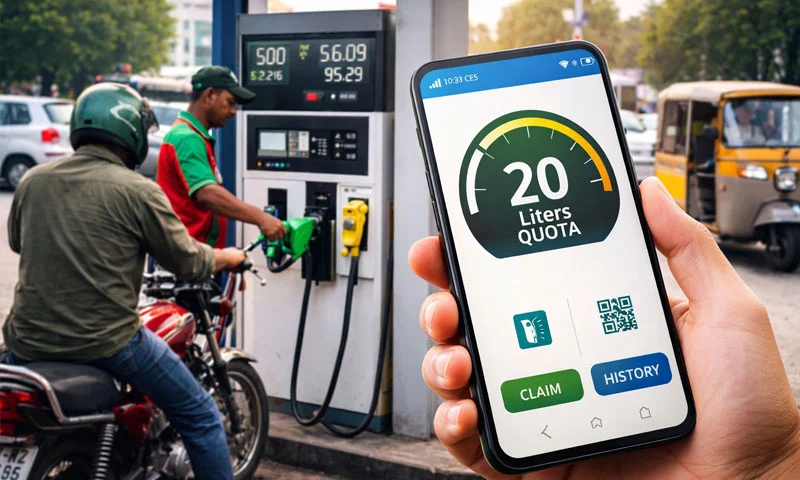
The new system will operate through a fully automated mobile application. Consumers will use an app to generate digital vouchers for fuel purchases, while petrol stations will use a separate system to verify them.
Each user’s quota will be linked to their vehicle registration number and CNIC. For example, motorcycles may receive a fixed allocation such as 20 litres per month.
If a user attempts to purchase more fuel than their quota allows, the system will automatically limit the supply. Officials confirmed that only the available quota will be dispensed at petrol pumps.
The mechanism is similar to the Ramazan subsidy model used previously, which relied on digital verification and controlled distribution.
Petrol Pumps to Install Dedicated Systems
Petrol stations will be required to set up dedicated dispensers or nozzles for subsidised fuel. Retailers must also install special devices linked to the system.
To ensure smooth implementation, oil marketing companies will appoint focal persons at each retail outlet. Their details will be shared with authorities for monitoring and complaint resolution.
The government will also provide training material, including demos and video tutorials, to help users and retailers understand the system.
Special Devices and Digital Infrastructure
The Ministry of Information Technology is working with mobile phone manufacturers to support the system. Specialised phones will be introduced at an estimated cost of Rs36,000, with retail prices around Rs72,000.
Petrol pumps will deposit funds into a government account to ensure timely delivery of these devices. This step aims to avoid delays and ensure nationwide rollout.
Relief for Low-Income Drivers
The primary goal of the initiative is to protect low-income groups such as motorcyclists and rickshaw drivers from rising fuel prices.
Officials said the subsidy model will ensure that essential users continue to access affordable fuel, while higher prices for other users will help reduce overall consumption.
Past Attempts and Policy Background
Earlier fuel subsidy plans have faced challenges. In 2023, a proposal to increase petrol prices for wealthy users and subsidise low-income riders was rejected due to concerns from international lenders.
Similarly, past ideas such as introducing lower-grade fuel for motorcycles were debated but did not gain full approval.
A Shift Toward Digital Fuel Management
The new quota system reflects a broader shift toward digital governance and targeted subsidies in Pakistan.
With global oil prices rising due to geopolitical tensions, authorities are focusing on efficient distribution and reduced waste. Experts believe such systems could help manage demand while protecting vulnerable segments of society.