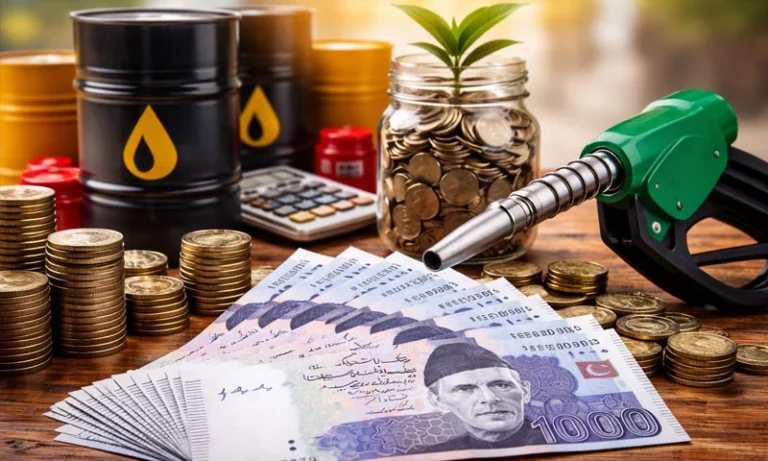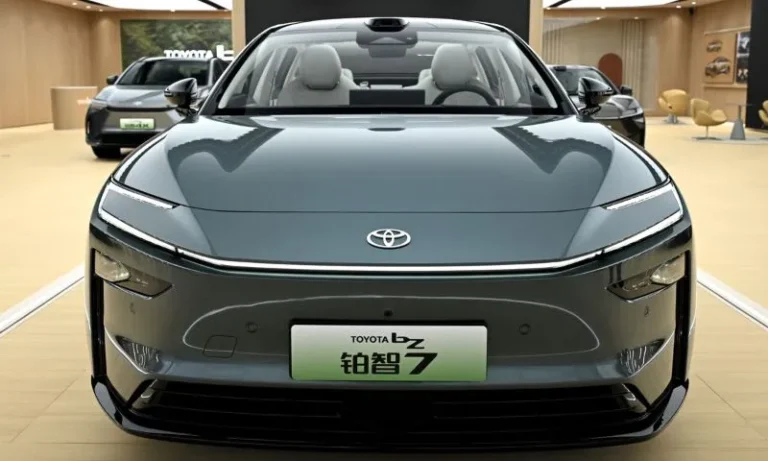
The Senate Standing Committee on Industries and Production was told on Monday that the government is considering imposing additional taxes on imported electric vehicles (EVs) as part of efforts to reduce the transport sector’s ballooning $9 billion import bill, while keeping locally manufactured EVs largely tax-free.
The meeting, chaired by Senator Khalida Ateeb, was attended by Senators Danesh Kumar and Syed Masroor Ahsan, along with officials from the Ministry of Industries and Production and the Federal Board of Revenue (FBR). According to a statement issued by the Senate Secretariat, officials informed the committee that taxes on imported EVs are under active consideration, whereas taxes on locally produced electric vehicles would remain minimal or zero to encourage domestic manufacturing.
Officials also told the panel that additional duties have already been imposed on the import of EV parts that are now being manufactured locally, a move aimed at supporting the development of a homegrown electric vehicle supply chain.
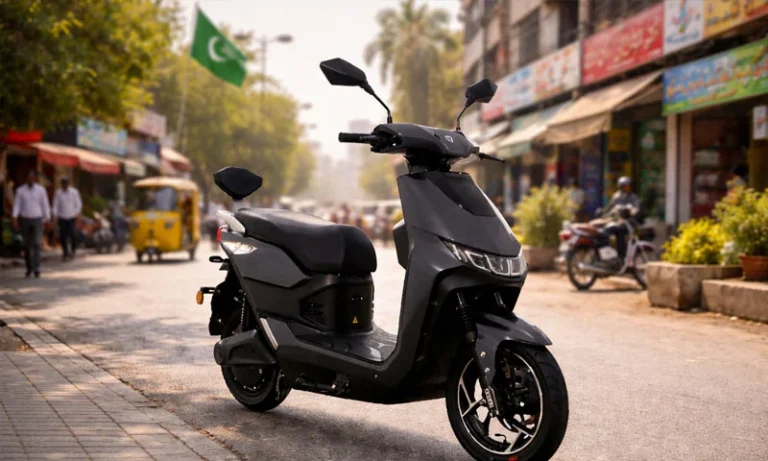
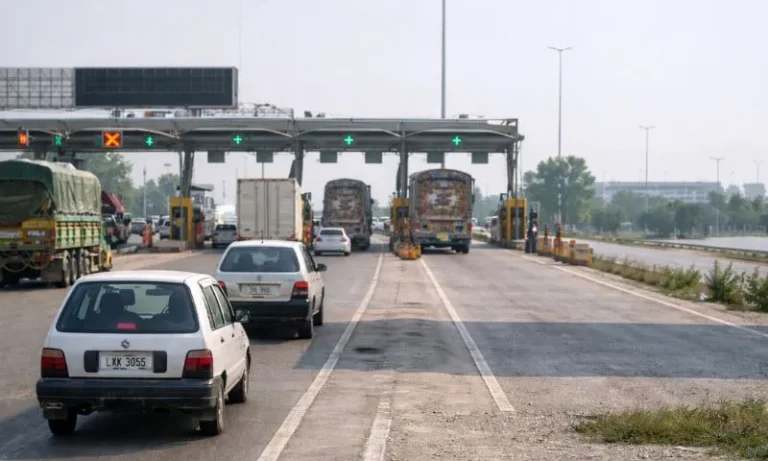
During the briefing, the Ministry of Industries and Production advised provincial governments to facilitate EV adoption by waiving registration fees, introducing uniform number plates across the country, and charging lower tolls for electric vehicles. The committee was also briefed on the existing policy framework for setting up EV manufacturing units, with a particular focus on two-wheelers and three-wheelers.
According to officials, licenses have so far been issued for 77 electric two-wheeler manufacturers and 17 three-wheeler manufacturers across the country. The government has set an ambitious target of shifting 30 percent of all vehicles to electric by 2030 as part of its broader energy and climate goals.
To support this transition, officials said that around 2.2 million vehicles would be provided to the public through government subsidies by 2030. Pakistan currently has about 20 million vehicles and more than 20 million motorcycles. This year alone, the government plans to facilitate the provision of 116,000 electric motorcycles and 3,170 electric rickshaws.
The committee was informed that a carbon levy is expected to generate Rs120 billion over the next five years, and this amount will be used to subsidize electric vehicles. Officials also noted that work is underway to introduce a one-window operation in coordination with the Board of Investment to streamline approvals, adding that licenses of manufacturers failing to export have already been cancelled.
The discussion also covered the New Energy Vehicles (NEV) Policy 2025–30, which aims to reduce vehicular emissions, improve air quality, make productive use of surplus electricity generation, and lower Pakistan’s reliance on imported oil. The policy targets converting 30 percent of new vehicle sales to NEVs by 2030, with ambitions of reaching 50 percent by 2040 and achieving a net-zero transport fleet by 2060.
However, officials acknowledged that high upfront costs remain a major hurdle to EV adoption, underlining the need for pricing measures that bring electric vehicles closer to the cost of conventional internal combustion engine vehicles.