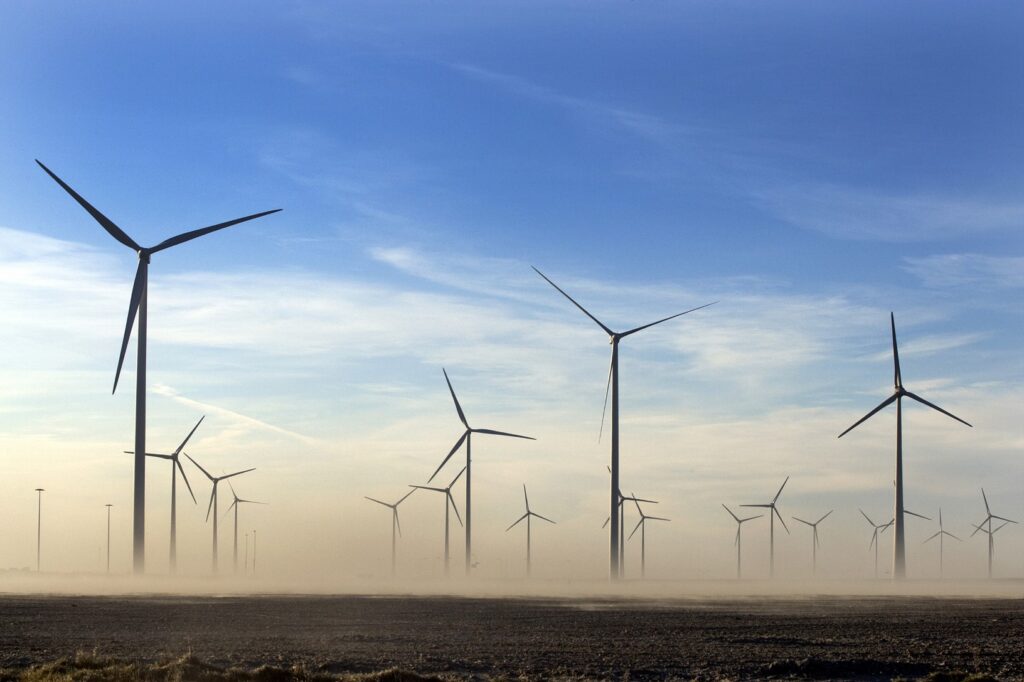
Thatta Cement Company has taken a significant step toward cleaner energy as it greenlights a new 7.5 MW wind power project, raising its total renewable capacity to 17.3 MW. The board’s approval comes as part of the company’s long-term strategy to reduce dependence on fossil fuels, cut operational costs, and align with Pakistan’s broader push for sustainable energy solutions. The project will be developed in the coastal district of Thatta, Sindh, a region already known for strong and consistent wind speeds that make it ideal for wind power generation.
Thatta Cement’s renewable journey began with the commissioning of its first wind energy installations several years ago. The addition of the 7.5 MW capacity marks the second phase of expansion and is expected to further lower the company’s reliance on grid power and high-cost diesel generators, which are common in Pakistan’s energy-intensive industrial sectors. When fully operational, the new wind turbines will supply a larger share of the plant’s electricity needs directly from clean sources.
In board discussions, executives highlighted both environmental and economic benefits. With rising energy prices and supply volatility affecting industries nationwide, investing in captive renewable energy helps stabilise long-term production costs. Cement manufacturing is historically energy-intensive, so integrating wind power can deliver meaningful savings while supporting Pakistan’s targets under its Alternative and Renewable Energy Policy. This policy encourages private sector participation in green energy projects to reduce overall emissions and promote energy security.
Industry analysts also point out that wind energy investments are becoming increasingly attractive due to incentives such as tax breaks and preferential tariffs offered by the government. This trend is visible across Pakistan’s industrial landscape, where large manufacturers in sectors like chemicals, textiles, and cement are now exploring captive solar and wind farms as part of their energy strategies. In Sindh, in particular, wind corridors along the coastal belt have spurred significant investments from independent power producers and industrial consumers alike. Independent projects like the Jhimpir and Gharo wind farms have already demonstrated the viability of large-scale renewable installations in the same geography.
Local renewable advocates commend Thatta Cement’s move as a signal that Pakistan’s private sector is warming to sustainability not just as corporate responsibility but as a core business decision. By reducing carbon intensity and improving energy resilience, companies like Thatta Cement may help shape a more sustainable industrial future. As the new turbines go up, they’ll not only spin toward profitability but also toward a greener energy mix for the nation.