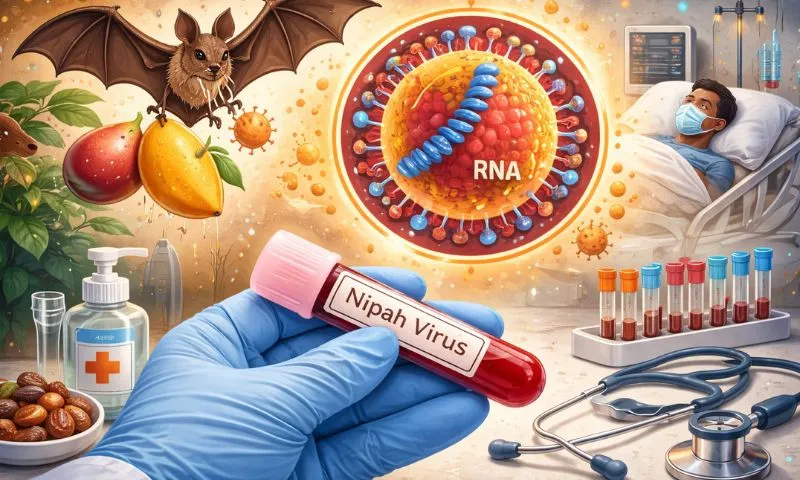
Health authorities across South Asia are on alert after India confirmed an outbreak of the Nipah virus (NiV) in the eastern state of West Bengal in January 2026. This deadly virus has a high fatality rate and no approved vaccine or specific treatment, causing concern among healthcare officials and travellers.
The outbreak was linked to a cluster of cases around Kolkata and nearby districts. Five confirmed infections were reported, and dozens of people who had close contact with the patients were placed under home quarantine. At least one case was critical, and medical teams immediately launched contact tracing to contain further spread.
Nipah is a zoonotic virus carried by fruit bats, pigs and other animals. It can transmit to humans through direct contact with secretions or bodily fluids from infected animals or people. Once infected, people can spread the virus to others through close personal interactions, especially in healthcare or household settings. The World Health Organization (WHO) lists NiV as a priority pathogen because of its epidemic potential and severe outcomes.
Signs of infection begin with fever, headache, muscle aches and sore throat, progressing in severe cases to respiratory problems, neurological issues, seizures or encephalitis (brain swelling). Because these early symptoms resemble those of flu or dengue, timely detection depends on vigilant screening and diagnostic testing.
In response to the outbreak, several Asian countries have reinforced health screening at airports and border points, reminiscent of systems used during the COVID-19 pandemic. Thailand, Nepal and Taiwan expanded use of temperature checks, symptom questionnaires and isolation procedures for arrivals from affected regions. Health officials also distributed advisory cards that explain Nipah symptoms and recommended next steps.
Experts emphasise that airport screenings are early detectors, not definitive tests. “If a traveller shows symptoms or reports recent contact with an infected person, health teams must act swiftly,” says a regional health official. This approach aims to catch possible cases before they spread further.
While the outbreak remains limited geographically, authorities urge the public to practice good hygiene, avoid contact with sick animals or people, and report symptoms early. Continued surveillance and cooperation between countries remain key to stopping broader transmission.