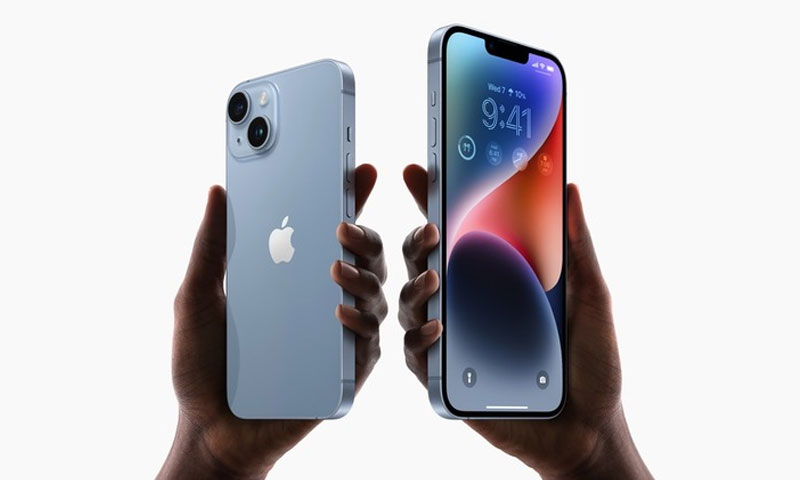
Apple has officially discontinued the iPhone 14, iPhone 14 Plus and iPhone SE (3rd generation), shortly after unveiling the new iPhone 16e, according to tech industry reports.
The move means these models are no longer available for purchase as new devices from Apple’s official website or retail stores worldwide. Stock disappeared almost immediately following the iPhone 16e announcement on February 19, 2025, signaling a swift phase-out of the older lineup.
Availability shifts to third-party sellers
While Apple has ended direct sales, limited inventory of the iPhone 14 and 14 Plus may still be found through carriers, authorized resellers, and third-party retailers such as Amazon. These remaining units are already being offered at discounted prices, with the iPhone 14 reportedly dropping to around $599 from its original $799 launch price.
Since Apple has halted new production, remaining stock is expected to dry up quickly over the coming months.
Software support remains intact
Discontinuation does not mean immediate obsolescence. Apple is expected to continue providing full iOS updates, security patches, and access to core services such as iCloud and the App Store for at least five to seven years. Current estimates suggest software support will extend through 2029 or 2030.
Safety features like Crash Detection and Emergency SOS via satellite will also remain functional for as long as Apple and authorized service providers can source replacement parts.
iPhone 16e becomes Apple’s new entry-level option
The newly introduced iPhone 16e effectively replaces both the iPhone SE (3rd gen) and the iPhone 14 Plus in Apple’s lineup. Priced at $599, it features a 6.1-inch display, improved battery life, the A18 chip, Face ID, USB-C charging, and support for Apple Intelligence.
However, the shift marks the end of several long-standing features. Touch ID, the Home button, and the Lightning port are now officially retired from Apple’s smartphone lineup.
Impact on buyers
For existing users, nothing changes immediately—devices will continue to work normally, though trade-in values for iPhone 14 models have dipped slightly. For new buyers, Apple’s most affordable option is now significantly more expensive than the iPhone SE’s original $429 price point.
Consumers looking for larger screens must now move to Plus models, which come at a higher cost.
A strategic and regulatory move
Industry watchers describe the decision as a rare mid-cycle lineup adjustment. By streamlining its offerings around the iPhone 16e, iPhone 15, and iPhone 16 series, Apple strengthens its compliance with EU USB-C regulations while pushing buyers toward newer hardware.
As retailers clear remaining inventory, deals on iPhone 14 and 14 Plus models may continue into mid-2025 and early 2026.