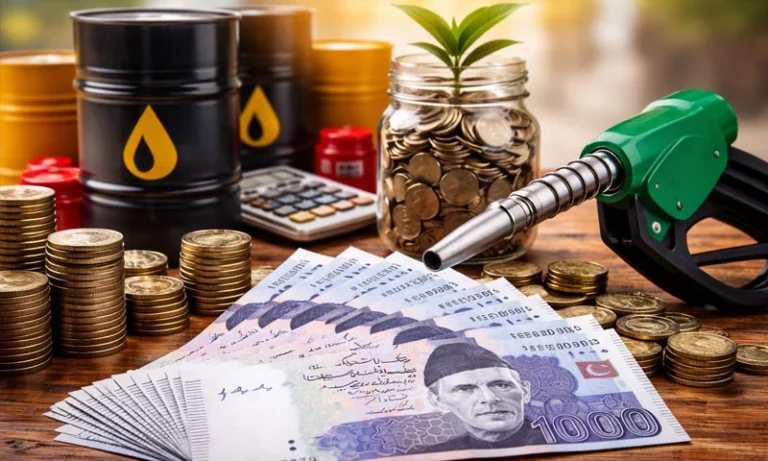
Energy exporters, refiners and defense companies often gain when global conflicts disrupt markets.
Dubai: Tankers idling near the Gulf, traders scrambling for alternative crude supplies and defense companies preparing for new military orders. History shows that wars rarely leave financial markets untouched.
The latest escalation between Iran and the United States has sent shockwaves through energy, defense and financial markets. As the crisis unfolds, wealth is shifting toward countries and companies able to provide resources that suddenly become scarce.
At the center of the disruption lies the Strait of Hormuz, the narrow maritime passage that connects the Arabian Gulf to global markets. Around one-fifth of the world’s oil supply normally moves through this chokepoint. Any uncertainty surrounding shipments through the strait quickly spreads across global markets.
Energy exporters located outside the conflict zone, large refining hubs, arms manufacturers and certain investors are among the players seeing clear financial advantages. Analysts say several groups historically benefit the most during geopolitical crises.
1. Safe-haven oil exporters
Countries producing oil outside the immediate conflict region are usually the first to benefit when supply shocks hit the market.
If shipments from the Middle East face disruption, refiners begin looking for crude that can reach international markets without passing through the Strait of Hormuz. This shift increases the value of oil produced in places such as North America, the North Sea and Russia.
Among the countries gaining the most are:
• Russia, whose crude shipments to Asian refiners have become more valuable as Gulf supplies tighten
• The United States, currently the world’s largest oil and gas producer
• Canada and Norway, both major exporters to Atlantic Basin markets
Analysts note that Russian crude has seen one of the sharpest price shifts during the crisis. Before tensions escalated, Russia’s Urals crude traded at roughly a $13 discount compared with Brent crude.
By early March, analysts at J.P. Morgan reported that the relationship had reversed, with Russian oil selling at a $4 to $5 premium over Brent. The unusual swing reflects the sudden demand for supplies that can bypass the Gulf conflict zone.
Research from Goldman Sachs suggests geopolitical tensions have added about $14 per barrel to global oil prices as traders price in the risk of extended disruptions to Gulf shipping.
2. Refiners capture fuel shortages
While oil producers benefit from rising crude prices, refineries can sometimes gain even more when shortages of refined fuels push prices higher.
Refining profitability is commonly measured by the “crack spread”, the difference between the price of crude oil and the value of fuels produced from it such as gasoline, diesel and jet fuel.
During the current crisis, refining margins have widened sharply across several major refining centers.
Examples include:
• Singapore, where complex refining margins climbed close to $30 per barrel in early March, the highest level in nearly four years
• India, where refiners are buying discounted crude and exporting refined fuels to tighter markets in Europe
• The US Gulf Coast, which hosts sophisticated refineries capable of converting heavy crude into higher-value fuel products
These facilities can turn supply disruptions into significant profits when global fuel markets tighten.
3. Defense contractors see new demand
Military contractors also tend to benefit during periods of geopolitical conflict.
Rising tensions often lead governments to increase defense spending, replenish weapons inventories and accelerate purchases of military equipment.
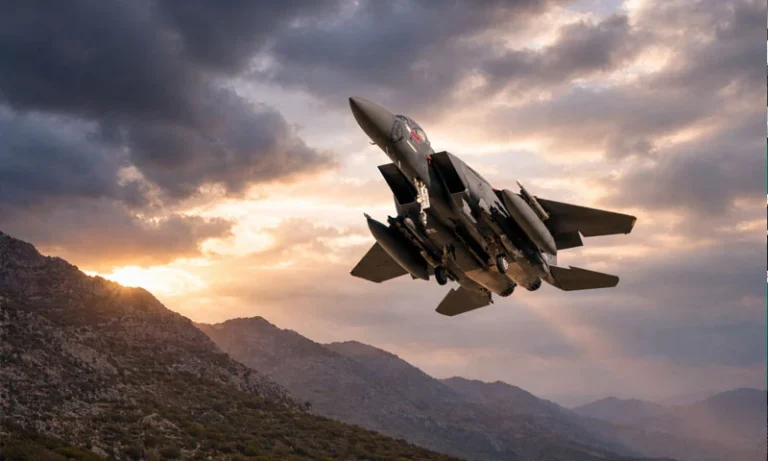
Companies producing missiles, air defense systems, drones and other military technology frequently see their order books expand as countries seek to strengthen security capabilities.
The current confrontation between Iran and the United States has already triggered discussions among several governments about boosting defense procurement and expanding military readiness.
4. Shipping and logistics firms
Disruptions in major shipping routes also create opportunities for companies involved in transport, storage and logistics.
When normal supply chains are disrupted, traders often turn to alternative shipping routes, emergency storage or different suppliers. That increases demand for tankers, port facilities and logistics services capable of handling sudden changes in trade flows.
Shipping firms that can move oil and fuel outside traditional routes often benefit from higher freight rates during crises.
5. Investors in safe-haven assets
Periods of war and geopolitical tension typically drive investors toward safe-haven assets.
Gold often attracts strong demand as investors seek protection from volatility. Government bonds issued by stable economies can also see increased buying.
Commodity traders and hedge funds may profit from large price swings in oil, currencies and energy markets as traders reposition portfolios during periods of uncertainty.
Markets shift as conflict spreads
The current Iran-US confrontation illustrates how quickly global crises can reshape financial markets.
Energy exporters far from the conflict zone, major refining centers and defense manufacturers are among the groups positioned to benefit financially as the crisis reshapes supply chains and investment flows.
But while certain industries may see gains, economists warn that wars generally bring broader economic instability, pushing up energy prices and creating volatility across global markets.