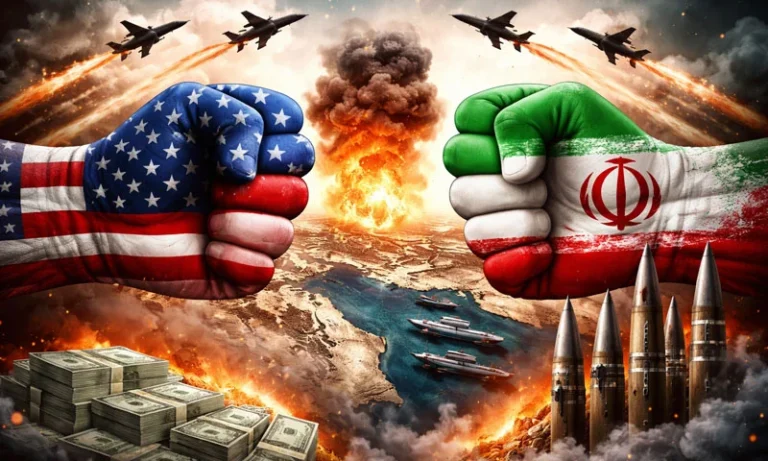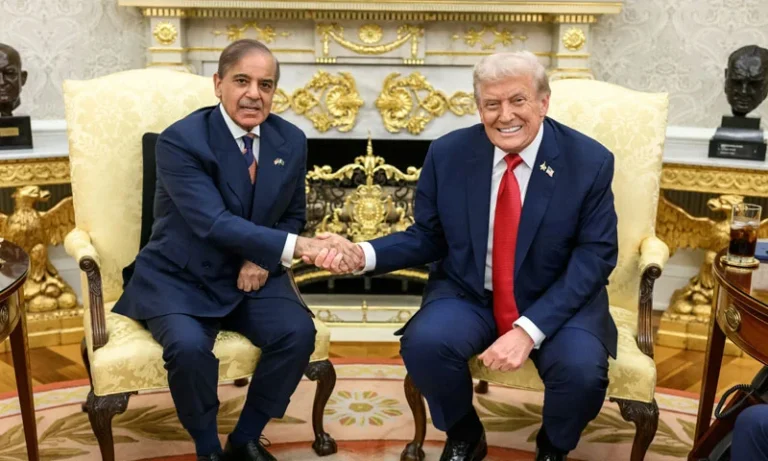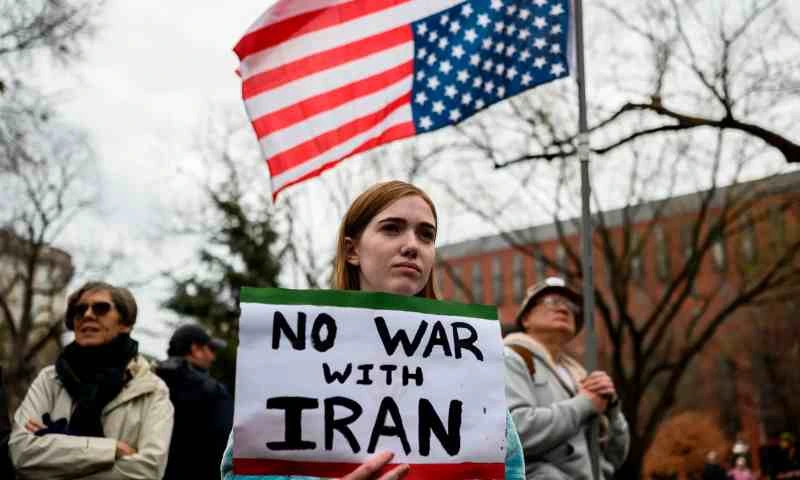
Pakistan has stepped into the global spotlight as quiet but critical diplomatic efforts unfold between the United States and Iran, with Islamabad playing a central role in facilitating indirect communication amid rising regional tensions.
Pakistan’s Role as a Go-Between
According to officials, Pakistan has been acting as a mediator for some time, relaying messages between Washington and Tehran. However, its involvement has intensified in recent days as fears of a wider conflict grew, particularly over energy infrastructure and the Strait of Hormuz.
Reports from international outlets such as Financial Times and Axios indicate that senior officials from Pakistan, along with counterparts from Turkiye and Egypt, have separately engaged with US Special Envoy Steve Witkoff and Iranian Foreign Minister Abbas Araghchi to convey positions between both sides.
Despite these exchanges, there has been no direct contact between the US and Iran.
A source involved in the process said, “The strategic synergy between Ankara, Cairo and Islamabad has established a vital diplomatic conduit,” adding that it was “more than just crisis management” and was “making tangible progress toward resolving outstanding issues.”
Focus on De-escalation and Hormuz
The backchannel talks are not limited to an immediate ceasefire. Officials revealed that discussions include reopening the Strait of Hormuz, preventing attacks on energy infrastructure, and outlining a broader framework to end hostilities.
Iran has acknowledged receiving messages through “friendly countries” but insists that its response remains based on “principled positions.”
Publicly, Tehran continues to deny any negotiations, framing US claims as attempts to influence global markets. Iranian officials have maintained that any resolution must include guarantees against future US or Israeli attacks, compensation for damages, and recognition of its strategic rights.
Meanwhile, US officials argue that indirect diplomacy has helped create conditions for a pause in escalation. One source noted that “quiet communication is often the most direct path to global peace.”
Pakistan Positions Itself as Regional Stabiliser
Islamabad has framed its role as part of a broader diplomatic strategy. Officials describe Pakistan as a “net regional stabiliser,” using its unique ties with both Washington and Tehran to encourage dialogue over confrontation.
Prime Minister Shehbaz Sharif reinforced this position during a phone call with Iranian President Masoud Pezeshkian, expressing concern over “dangerous ongoing hostilities” and stressing “the urgent need to work collectively for de-escalation and a return to dialogue and diplomacy.”
He also emphasised “the critical importance of unity in the ranks of the Ummah.”
Wider Diplomatic Context
Pakistan’s involvement comes amid a broader regional effort that includes Turkiye and Egypt, reflecting a coordinated attempt to prevent a major escalation in the Middle East. Analysts note that Pakistan’s longstanding ties with both Iran and Gulf states place it in a rare position to act as a bridge.
There are also reports suggesting that US President Donald Trump may have engaged Pakistan’s military leadership during this period, although no official confirmation has been issued.
As tensions continue, officials suggest that Pakistan could even emerge as a potential venue for future talks.