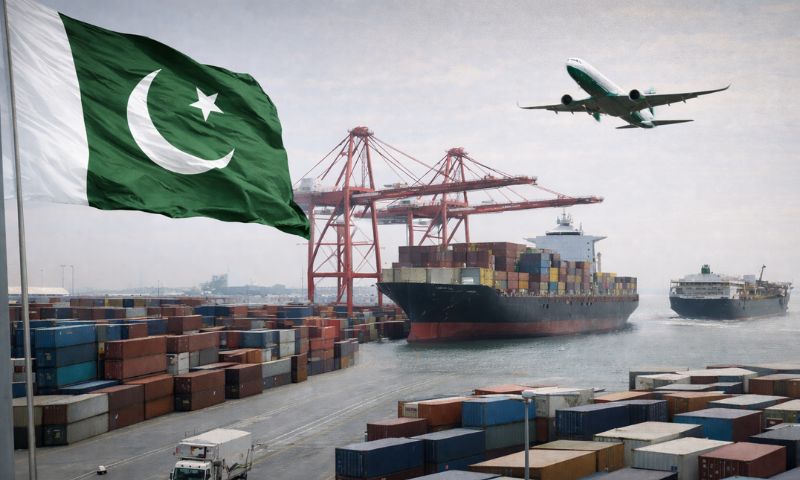
Pakistan’s government is preparing to declare an “export emergency” to jump-start the nation’s faltering trade performance and strengthen the economy amid ongoing challenges including slow GDP growth and reliance on foreign financial support. Minister for Planning and Development Ahsan Iqbal outlined the bold plan at a press conference in Islamabad, saying urgent action is needed to transform Pakistan into an export-driven economy.
“We will have to transform the entire system and become an export nation on an emergency basis, otherwise, the dependence on the International Monetary Fund (IMF) and friendly countries for financial support would continue,” Iqbal said.
Despite a slight increase of about 1 percent in exports during the first four months of the current fiscal year (July-October 2025), growth remains disappointing compared to targets. Officials argue that without urgent reforms, Pakistan cannot break its cycle of external support and widening trade deficits.
Under the new strategy, the federal government will create a special export emergency cell at the Prime Minister’s Office. This unit will work with business communities and exporters to address complaints and remove hurdles to growth quickly. A dedicated hotline and rapid response mechanism will help tackle issues that slow down business operations.
Ilyas stressed that the plan aims to involve all sectors including agriculture, industry, and services to boost exports by 40 percent within four years and nearly 200 percent by 2035.
Part of the proposal includes consulting with the Federation of Pakistan Chambers of Commerce and Industry (FPCCI) and local chambers to ensure district-level challenges are resolved. Iqbal also acknowledged that high energy costs and obligations under the ongoing IMF programme pose challenges, but he said the government hopes to use this period to reform energy and fiscal sectors to support export growth later.
Analysts say the “export emergency” moves beyond rhetoric to signal a whole-of-government approach that may encourage investment and improve Pakistan’s global trade position. Without decisive action, critics warn, Pakistan risks repeating past cycles of borrowing and economic instability.
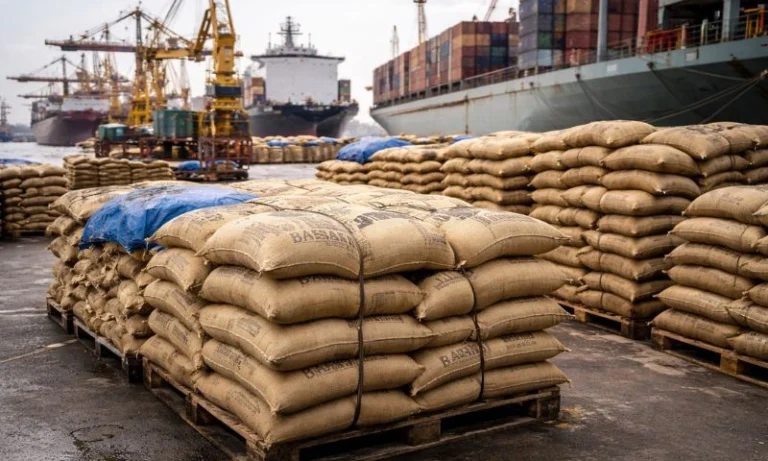
Experts familiar with Pakistan’s trade data note that weakening global demand and structural bottlenecks have constrained export growth, especially in textile and agricultural products. As such, businesses are keen to see reforms reduce red tape, streamline export procedures, and improve access to markets.
The government’s move comes amid broader economic pressure, including inflation and currency volatility. As policymakers prepare detailed implementation plans next week, exporters and economic stakeholders are watching closely to see whether the emergency strategy translates into real gains for Pakistan’s export industry.