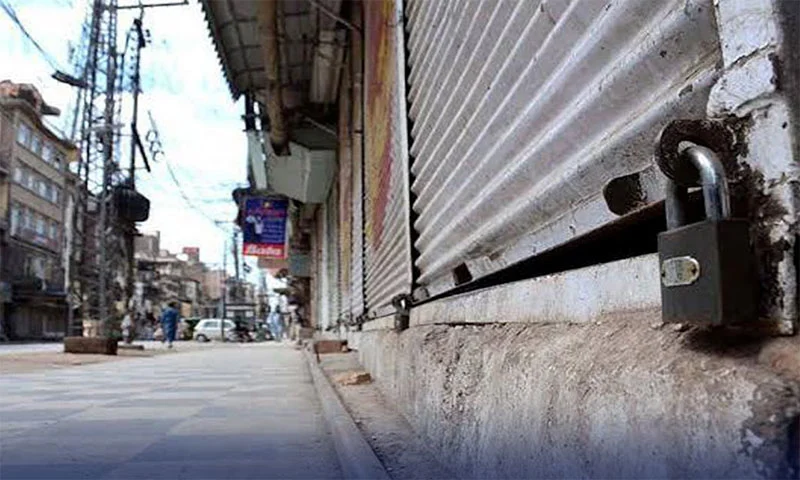
The federal government has decided not to impose a nationwide smart lockdown after provincial governments opposed the proposal during a high-level meeting held at Aiwan-e-Sadr in Islamabad.
The decision came amid growing concerns over the global energy crisis triggered by the ongoing Middle East conflict, which had initially prompted authorities to consider restrictive measures to conserve fuel and manage economic pressures.
Provinces Oppose Nationwide Restrictions
The proposal for a smart lockdown was discussed during a consultative session chaired by President Asif Ali Zardari, attended by Prime Minister Shehbaz Sharif, federal ministers, and provincial leadership.
However, media reports revealed that provincial administrations raised objections to the plan, leading to its eventual rejection.
Following the discussions, it was agreed that instead of imposing restrictions, a coordinated national strategy would be adopted to tackle economic challenges and ensure stability.
Khyber Pakhtunkhwa Chief Minister Sohail Afridi also confirmed that no decision had been taken to enforce a lockdown, citing differing views among provinces.
Focus Shifts to Relief and Stability
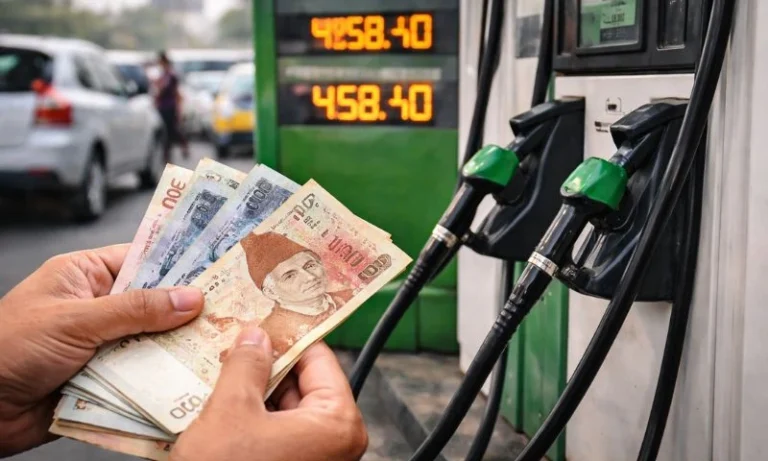
The meeting focused on maintaining fuel supply, controlling inflation, and reducing the impact of rising global energy prices on citizens.
Officials informed participants that despite disruptions in global markets, Pakistan’s fuel supply remains uninterrupted and reserves are adequate to meet current and future needs.
President Zardari emphasized the importance of protecting vulnerable segments of society, directing authorities to accelerate relief measures and ensure that economic hardship is minimized.
“No economically vulnerable segment will be left unsupported,” the meeting was told, highlighting the government’s focus on public welfare.
Austerity and Fuel-Saving Measures Continue
Although the smart lockdown proposal has been scrapped, the government is continuing with austerity measures to reduce fuel consumption and manage economic pressure.
Prime Minister Shehbaz Sharif reiterated the importance of his “Savings and Simplicity” campaign, which includes reducing government expenditure, cutting development spending, and grounding 60 percent of official vehicles.
Authorities also confirmed that proposals to increase fuel prices had been rejected, with savings redirected toward public relief initiatives.
Additional measures include increased levies on high-octane fuel used by luxury vehicles, while jet fuel prices have been kept unchanged to avoid burdening critical sectors such as aviation.
Earlier Plans and Public Confusion
The decision comes days after widespread speculation about a possible smart lockdown, fueled by fake notifications circulating on social media.
Earlier proposals under consideration included early market closures, limits on wedding gatherings, and remote work policies aimed at reducing energy consumption.
However, the government had already clarified that no official notification had been issued regarding such restrictions.
Diplomatic and Regional Context
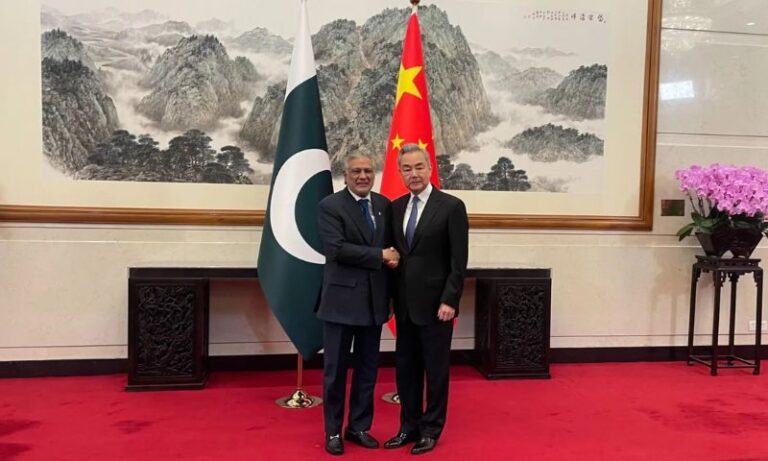
The meetings also addressed regional security concerns, with Foreign Minister Ishaq Dar briefing participants on Pakistan’s diplomatic engagement with countries such as Turkey, Saudi Arabia, and Egypt.
Efforts are ongoing to maintain regional stability and manage the economic fallout of the crisis, particularly as global oil prices remain volatile.
A Coordinated Path Forward
The government has opted for a coordinated, non-restrictive approach, focusing on economic resilience rather than imposing nationwide limitations.
With adequate fuel reserves and continued austerity measures in place, officials believe Pakistan can navigate the crisis without resorting to lockdowns.
The decision reflects a balance between economic stability and public convenience, as authorities aim to shield citizens from the worst effects of the global energy crisis.