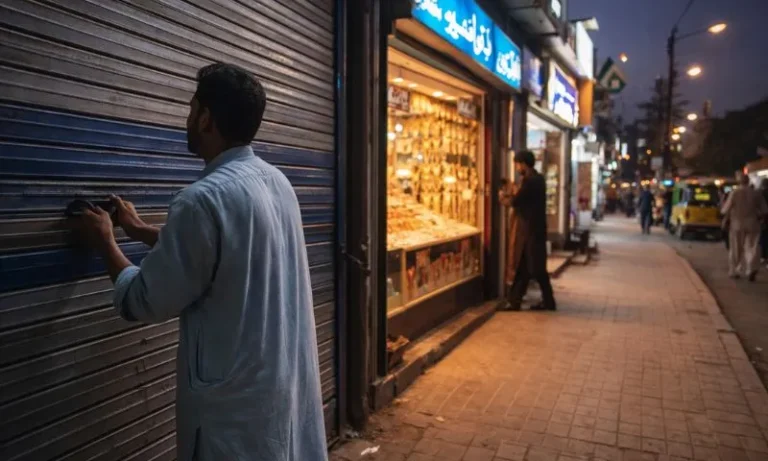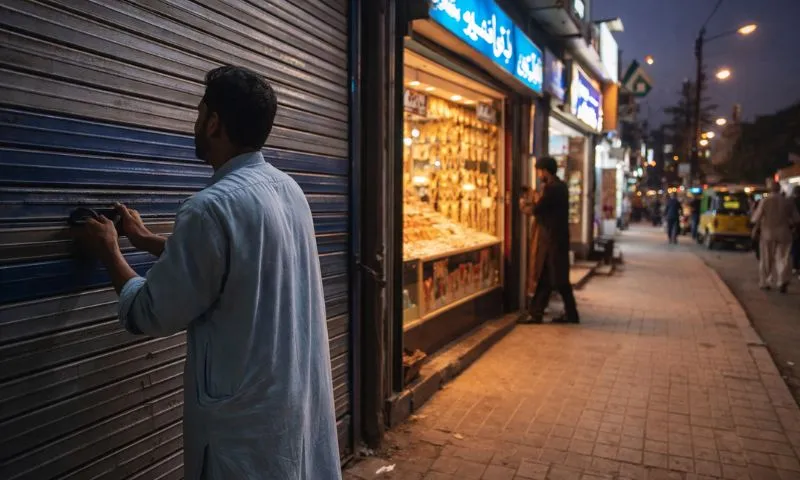
The federal government has ordered the closure of markets and shopping malls across most of Pakistan by 8pm, as part of a nationwide effort to conserve energy amid rising fuel costs linked to the ongoing Middle East crisis.
The decision was taken during a high-level meeting chaired by Prime Minister Shehbaz Sharif, where officials reviewed energy conservation and austerity measures in light of escalating global oil prices.
Under the new directive, markets in Punjab, Balochistan, Islamabad, Gilgit-Baltistan, Azad Jammu and Kashmir and most parts of Khyber Pakhtunkhwa will close by 8pm starting April 7.
However, Sindh has been exempted for now, with consultations still ongoing between the provincial government and business stakeholders regarding appropriate timings.
New restrictions extend to restaurants, wedding halls and commercial activity
The government has also imposed additional restrictions on commercial activity to further reduce energy consumption.
According to the Prime Minister’s Office, bakeries, restaurants, tandoors and other food outlets will be required to close by 10pm, while marriage halls, marquees and similar venues hosting events must also shut operations by the same time.
Wedding functions at private homes will not be allowed beyond 10pm, as authorities attempt to curb electricity use during peak evening hours.
Medical stores and pharmacies, however, have been exempted from these restrictions to ensure uninterrupted access to essential services.
In Khyber Pakhtunkhwa, a limited relaxation has been granted, allowing markets in divisional headquarters to remain open until 9pm, following consultations with the provincial government.
Officials said the measures would be strictly enforced, with provincial administrations and law enforcement agencies tasked with ensuring compliance.
Read More: IMF Demands Fuel Reforms: What It Means for Millions of Pakistanis
Energy crisis driven by global tensions
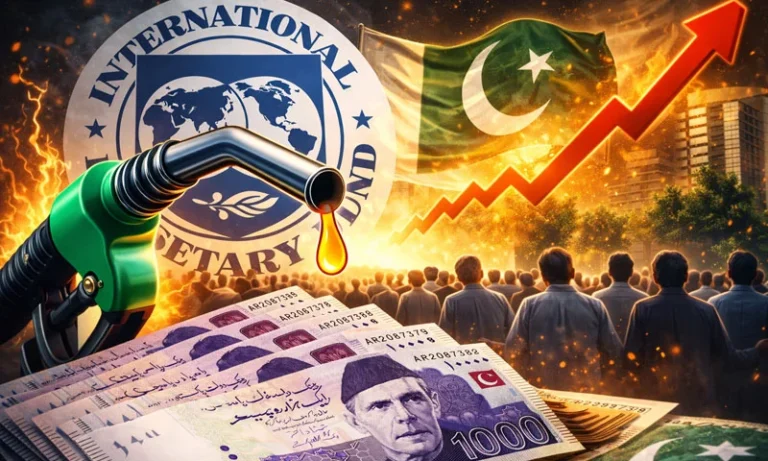
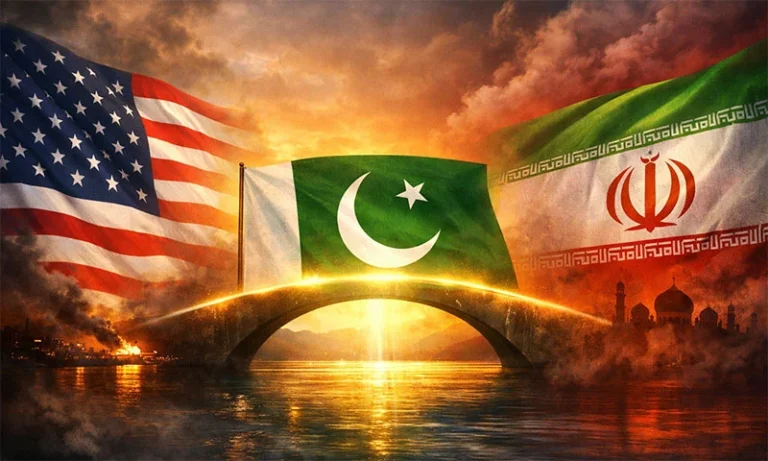
The move comes against the backdrop of a deepening energy crisis triggered by rising global oil prices and supply disruptions linked to tensions in the Middle East.
The ongoing conflict has affected shipping routes through the Strait of Hormuz, a critical corridor for global oil supplies, leading to sharp increases in fuel prices and creating pressure on import-dependent economies such as Pakistan.
Authorities say the early closure of markets is part of a broader strategy to reduce electricity consumption, control production costs and manage the economic impact of the crisis.
The government has also introduced additional measures, including targeted fuel subsidies and austerity initiatives, to shield lower-income groups from the effects of rising energy costs.
Prime Minister Shehbaz Sharif thanked provincial governments for reaching consensus on what he described as a decision of “national importance,” and expressed hope that Sindh would soon align with the policy after consultations.
While officials frame the move as necessary, business groups have expressed concern over reduced operating hours and potential losses, particularly during peak evening shopping periods.
For now, the government appears focused on immediate energy savings as Pakistan navigates the economic fallout of global fuel volatility.
Read More: Fuel Crisis Deepens in Pakistan: Petrol, Diesel Hike Expected as LPG Prices Jump 34%