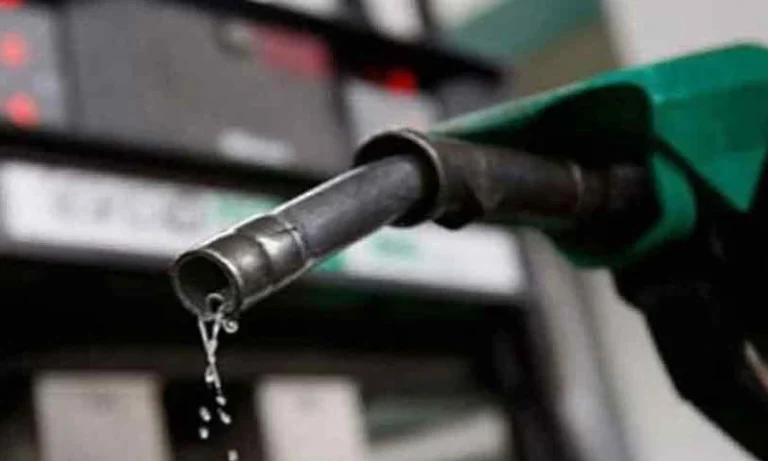
Pakistan currently has enough petroleum reserves to meet domestic demand for about 28 days, according to officials from the Oil and Gas Regulatory Authority. Authorities say the country built these reserves as a precaution amid escalating tensions in the Middle East.
Officials explained that surplus fuel imports in recent months helped maintain a comfortable stock of petrol and diesel. These precautionary measures increased reserves to more than 25 days in January and around 28 days in February. The move was intended to shield Pakistan from potential disruptions in global oil supply routes.
“We have ample stocks of petrol and diesel to meet the country’s requirement,” officials said while confirming that consumers should not face immediate shortages.
Strait of Hormuz Disruption Delays Oil Cargoes
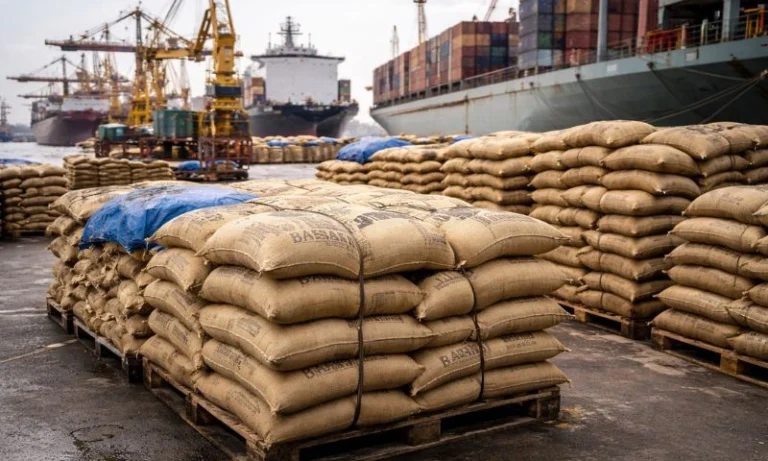
Despite the reassuring stock levels, global developments have created uncertainty. Two crude oil cargoes bound for Pakistan remain delayed because of disruptions around the Strait of Hormuz, a vital shipping corridor connecting the Persian Gulf to global markets.
The strait is one of the world’s most critical energy routes. Around 20 million barrels of oil and petroleum products pass through it daily, representing nearly one fifth of global oil supply. Major exporters such as Saudi Arabia, Iran, the United Arab Emirates, Kuwait and Iraq rely heavily on this route for shipments to Asia.
Recent regional tensions and security concerns have disrupted shipping activity in the area, affecting crude deliveries to several countries, including Pakistan.
Government Monitoring Energy Supply Situation
Pakistan’s Petroleum Division earlier instructed the Oil and Gas Regulatory Authority to maintain adequate stocks of crude oil and refined petroleum products. The aim is to ensure supply continuity in case the regional conflict affects shipping routes or trade flows.
Authorities are also monitoring imports of petrol, diesel and liquefied petroleum gas to ensure shipments arrive on schedule. The government has asked energy regulators to closely track supply chains in light of the evolving security situation in the Gulf.
Rising Global Oil Prices Add Pressure
The conflict has already affected global energy markets. Brent crude oil prices jumped by about 10 percent to above $82 per barrel after attacks on vessels near the Strait of Hormuz. Natural gas prices also rose sharply, reflecting fears of supply disruptions.
Analysts warn that if tensions persist and key waterways remain closed, global energy markets could face further volatility. Pakistan’s import bill may also rise significantly if oil prices climb to higher levels.
Officials say the government is closely monitoring international developments to ensure the country’s energy security remains stable.
Experts Warn of Possible Global Oil Crisis
Energy experts caution that prolonged conflict in the Gulf region could trigger a wider global oil crisis. Pakistan’s reserves offer a temporary cushion, but sustained disruptions to shipping routes could create challenges for many countries that rely heavily on imported fuel.
For now, authorities insist that fuel supplies in Pakistan remain stable and that contingency measures are in place to avoid panic or market disruptions.