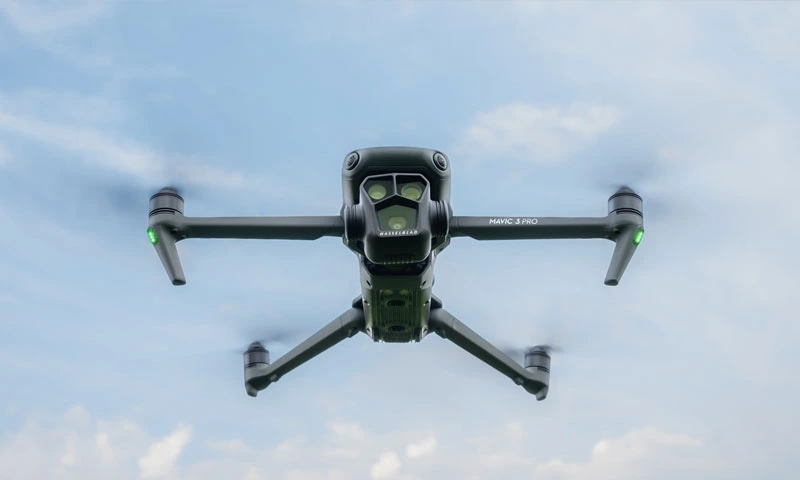
The Government of Pakistan has implemented a nationwide ban on flying drones outdoors in an effort to maintain public safety and curb emerging risks linked to unregulated unmanned aerial vehicles (UAVs). The directive came through a notification by the Ministry of Interior that invokes powers under the Pakistan Penal Code and relevant aviation rules, effectively prohibiting the operation of drones across the country without prior authorization.
The decision reflects growing concerns among security agencies about the misuse of drones for unauthorized surveillance, smuggling, and potential threats to public gatherings, critical infrastructure, and military installations. Authorities have emphasised that while the technology offers benefits for industries like agriculture and photography, its unregulated use poses serious safety and security challenges without proper oversight mechanisms in place.
Details of the Ban and Its Scope
Under the new order, all outdoor drone flights are prohibited nationwide, regardless of the operator’s intent, unless specific permission is obtained from authorised government agencies. The ban applies to hobbyists, commercial operators, and recreational users alike.
However, exemptions exist for approved entities such as:
Law enforcement and security agencies when conducting official duties
Government operations related to disaster response or critical missions
Entities with explicit government clearance for regulated drone use
Operators found violating the ban may face legal penalties, confiscation of equipment, and other enforcement actions as determined by competent authorities. Enforcement will be carried out by aviation regulators and law enforcement agencies in coordination with the Civil Aviation Authority.
Rationale Behind the Decision
Officials have cited a sharp rise in drone activity across urban and rural areas, often without accountability or registration. Concerns include unauthorised filming, breaches of privacy, interference with aircraft, and risks to sensitive zones.
Globally, countries have adopted various regulations to govern drone usage. For example, the United States Federal Aviation Administration (FAA) requires drone operators to register devices and follow strict flight rules, including no-fly zones near airports and crowds. The European Union Aviation Safety Agency (EASA) also sets drone categories and operator responsibilities to ensure safe integration into airspace. These examples highlight how regulation is essential to balance innovation and safety in unmanned aviation.
In Pakistan, drones were used to support flood relief operations and search and rescue missions in highly affected areas. During the 2022 monsoon floods, drones provided critical aerial imagery to assess damage and locate survivors in inaccessible terrain, demonstrating their potential value in emergencies.
Public Response and Future Outlook
Reactions from the public and drone communities are mixed. Enthusiasts and professionals who use drones for filmmaking, agriculture monitoring, infrastructure inspection and mapping have expressed concerns that the outright ban may disrupt legitimate activities. Many have urged the government to implement a clear drone registration and licensing framework instead of a blanket ban.
Industry stakeholders argue that a system of certification, geo-fencing and operator training would help integrate drones safely while maximising economic and social benefits.
What Comes Next
The Ministry of Interior has indicated that the ban will remain in place until a comprehensive regulatory framework is developed. Aviation authorities are expected to soon announce drone registration processes and flight operation guidelines that will align with international standards while addressing domestic security priorities.