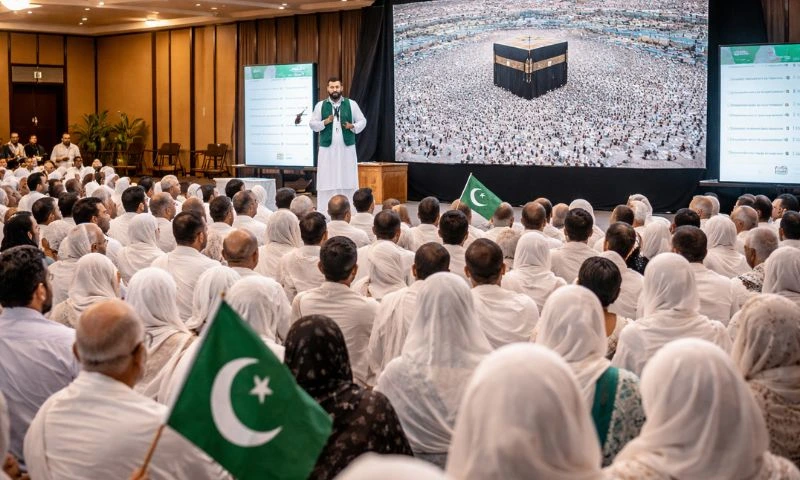
Pakistan is stepping up preparations for the Hajj pilgrimage of 2026, with officials saying arrangements are now in the final stages ahead of the annual Islamic journey to Saudi Arabia. Authorities have completed training for pilgrims in cities across the country as logistical coordination advances between Islamabad and Riyadh. This progress comes as the government works to ensure all key elements of travel are in place before the first flights begin later this year.
Training and Logistical Preparations
The Ministry of Religious Affairs said training workshops for prospective pilgrims have taken place in 107 cities nationwide. Federal Secretary Dr. Sajid Mahmood Chauhan said that a total of 183 training sessions were conducted to educate Hajj participants on the rites, travel procedures and administrative requirements they will face during the pilgrimage. These sessions covered the sequence of Hajj rituals, proper conduct at holy sites, and documentation essentials.
Training is considered vital since many Pakistani pilgrims travel abroad for the first time during Hajj. Officials noted that visa processing, transport routes in Mina and Arafat, food arrangements, and accommodation logistics in Makkah and Madinah are now in advanced preparation stages, adding confidence to safe and smooth pilgrimages.
“Makkah and Madinah accommodation has been secured better than last year,” said Director General Hajj Abdul Wahab Soomro, emphasizing an improved experience for this year’s pilgrims.
Government Oversight and Quotas
The Federal Minister for Religious Affairs, Sardar Muhammad Yousaf, chaired a high-level review meeting where officials assessed arrangements, including transport services and vaccination readiness. The government has also stressed that pilgrims should represent Pakistan positively while performing Hajj.
Pakistan’s approved Hajj policy allocates a total quota of 179,210 pilgrims for 2026. Of these, 119,210 will travel under the government scheme while the remaining 60,000 will go with private tour operators. Applications were processed on a first-come, first-served basis, and digital monitoring systems were used to manage registrations.
Officials said the next phase of one-day training sessions for pilgrims will begin immediately after Eid-ul-Fitr, targeting those who have confirmed travel plans but have yet to complete preparation workshops.
Why Training Matters
Experts and pilgrimage coordinators say these training sessions are critical for first-time Hajj participants. The Hajj involves specific rituals performed in a prescribed order over several days, and confusion can lead to stress or missed rites for pilgrims. Training also informs travelers about local Saudi procedures, health requirements, and emergency protocols.
There is also a greater emphasis this year on digital services and support hotlines to aid pilgrims during their stay. Pilgrims often travel in large groups and may face language barriers or unfamiliar environments. Enhanced guidance and preparedness can help reduce confusion and improve safety outcomes throughout the journey.
Broader Religious and Diplomatic Context
Pakistan sends one of the world’s largest national contingents to Hajj each year, making Saudi-Pakistan cooperation essential for efficient pilgrimage management. Both governments coordinate on travel logistics, accommodation blocks, and health requirements, especially after experiences from large pilgrim outflows in previous years.
As Hajj arrangements near completion, Pakistan’s religious affairs ministry and Saudi authorities plan final reviews to ensure a smooth and spiritually fulfilling experience for all pilgrims in 2026.