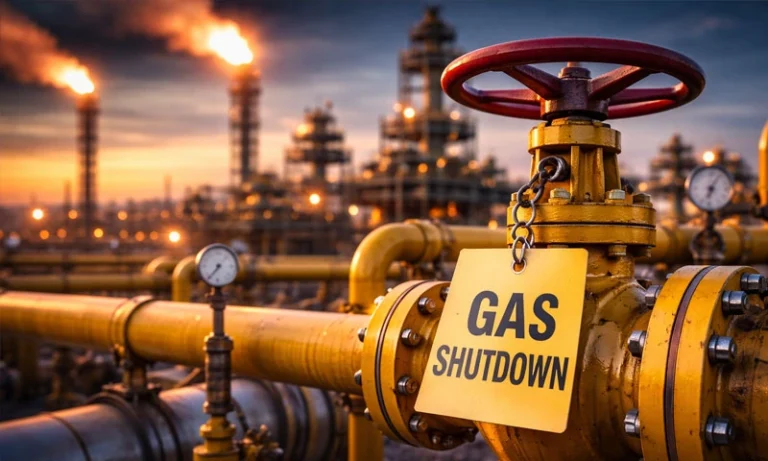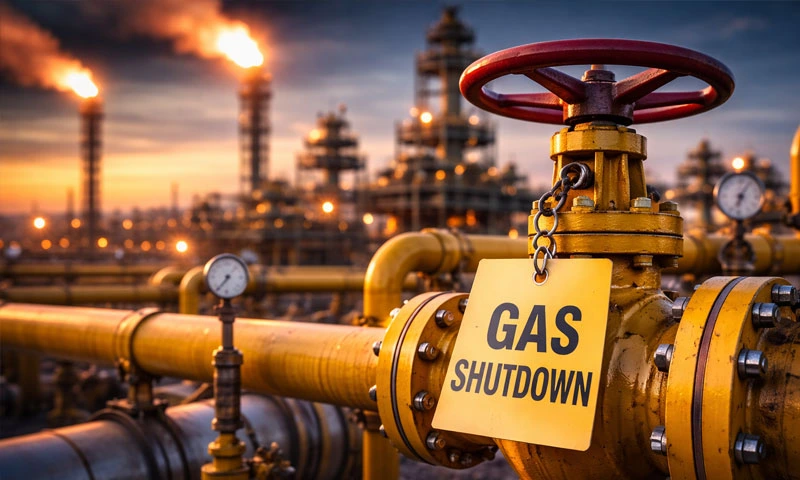
Pakistan has begun cutting natural gas supply to some industrial consumers as the ongoing Middle East conflict disrupts global energy markets and liquefied natural gas shipments. The move reflects growing pressure on the country’s energy system, which relies heavily on imported fuel from the Gulf region.
According to reports, the country’s largest gas distributor has started reducing supply to certain industrial buyers as authorities attempt to manage limited gas availability. The decision comes as supply chains face disruption due to escalating tensions in the Middle East.
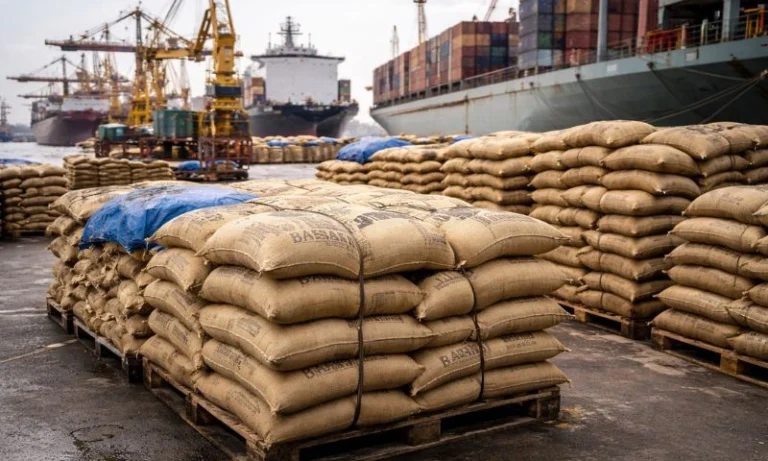
Pakistan imports a significant portion of its energy, particularly LNG from Qatar, making the country vulnerable to geopolitical shocks affecting the region’s shipping lanes and production facilities.
Qatar LNG Disruptions Shake Global Gas Markets
The energy disruption intensified after Qatar declared force majeure on LNG exports, citing the escalating conflict and shipping risks in the Strait of Hormuz. This clause allows suppliers to suspend contractual obligations due to extraordinary circumstances beyond their control.
Qatar is one of the world’s largest LNG exporters and accounts for roughly 20 percent of global LNG supply, much of which travels through the Strait of Hormuz. Shipping activity in this strategic waterway has slowed dramatically due to security concerns.
Energy analysts say the halt in production and shipments could take weeks to normalize even if the conflict de-escalates quickly. This disruption has already pushed gas prices higher across Asia and Europe.
Industrial Sector Faces Immediate Impact
The gas supply reduction primarily affects industries that rely on regasified liquefied natural gas, including fertilizer producers, textile manufacturers and export oriented factories.
Some companies have already started adjusting operations due to the reduced supply. In Pakistan’s fertilizer sector, disruptions in RLNG supply forced one major urea plant to suspend production, highlighting the ripple effects across the industrial economy.
Experts warn that prolonged shortages could slow industrial output, increase manufacturing costs and place further pressure on Pakistan’s already fragile economic recovery.
Pakistan Scrambles for Alternative Energy Supplies
To stabilize supply, Pakistan is exploring alternative fuel routes and sources. Officials have also approached regional partners to secure additional oil shipments through different ports to reduce reliance on disrupted Gulf shipping lanes.
At the same time, domestic producers are exploring ways to increase local gas output to offset the shortfall. State energy companies are assessing options to boost production and maintain supply for critical sectors.
However, energy analysts say domestic production alone cannot fully replace imported LNG in the short term.
Global Energy Trade Faces Largest Disruption in Years
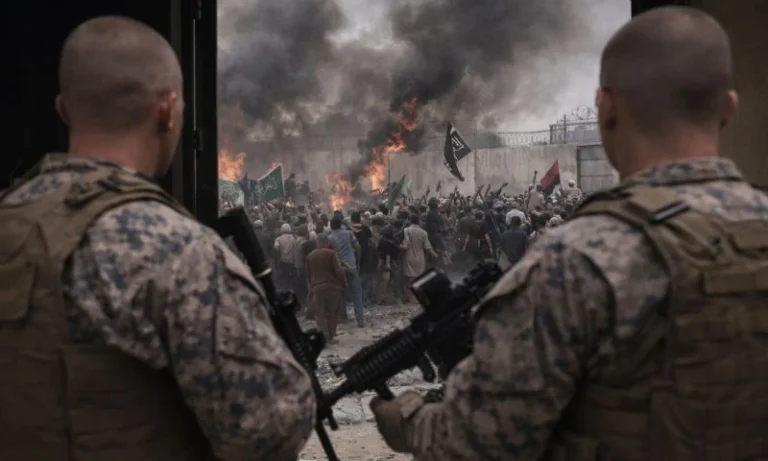
The ongoing Middle East conflict has triggered one of the largest disruptions to global energy trade since the Russia Ukraine war in 2022. Energy shipments through the Strait of Hormuz remain under threat, raising concerns about sustained volatility in global fuel markets.
Because many Asian economies depend on Gulf energy exports, analysts expect continued pressure on fuel prices and supply chains if tensions persist.
For Pakistan, which already struggles with periodic energy shortages, the crisis highlights the risks of heavy reliance on imported fuel and fragile supply routes.