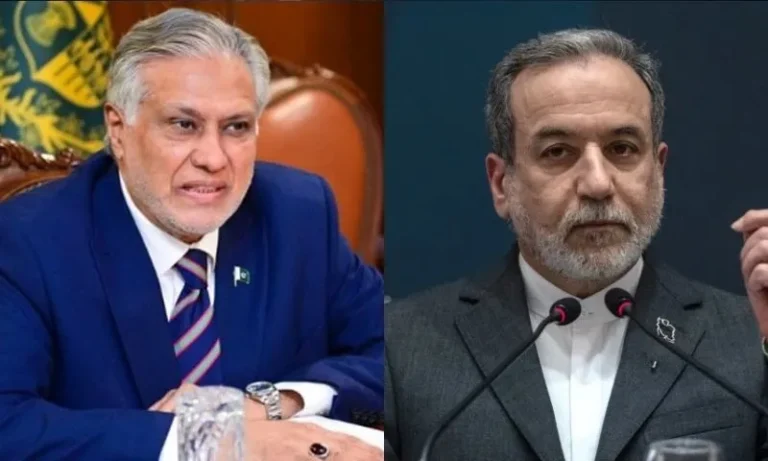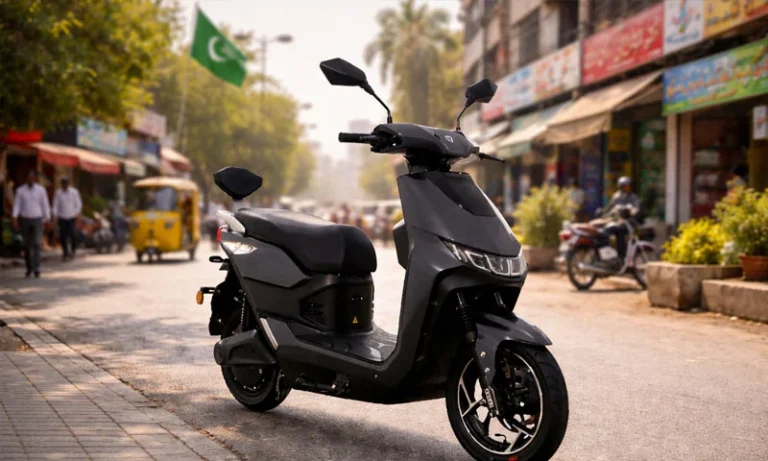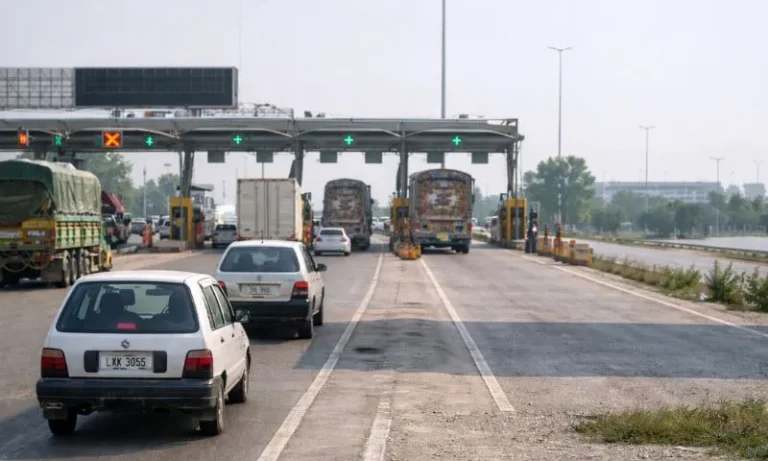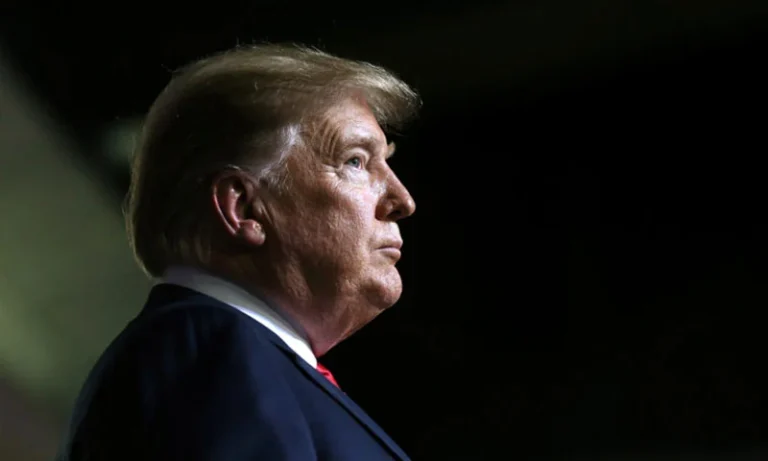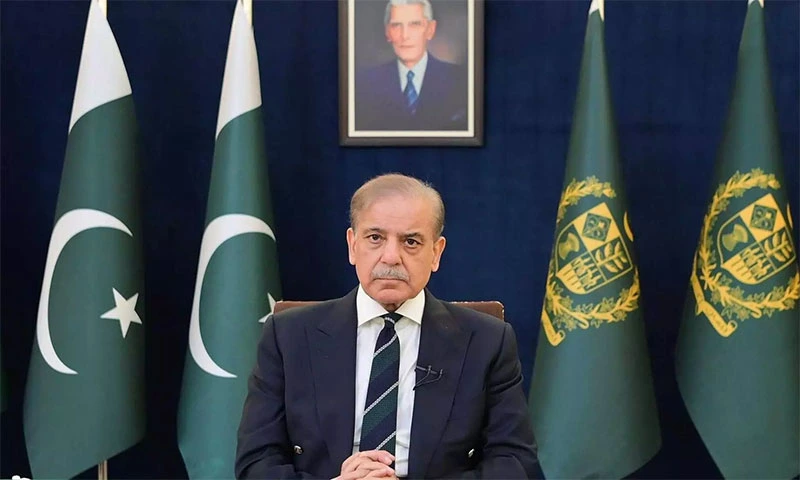
Prime Minister Shehbaz Sharif is expected to announce a comprehensive austerity plan aimed at conserving fuel and reducing government spending as Pakistan grapples with the economic fallout of rising global oil prices. The move comes after the government sharply increased petrol and diesel prices by Rs55 per litre, a decision triggered by escalating tensions in the Middle East that have disrupted global energy markets.
Officials said the prime minister reviewed several proposals during a high level meeting on the country’s economic situation and directed relevant ministries to prepare a detailed strategy focusing on austerity, savings and efficient energy use.
The government is expected to formally unveil the plan soon as part of broader efforts to protect Pakistan’s economy from the ongoing global energy crisis.
Fuel Crisis Linked to Middle East Conflict
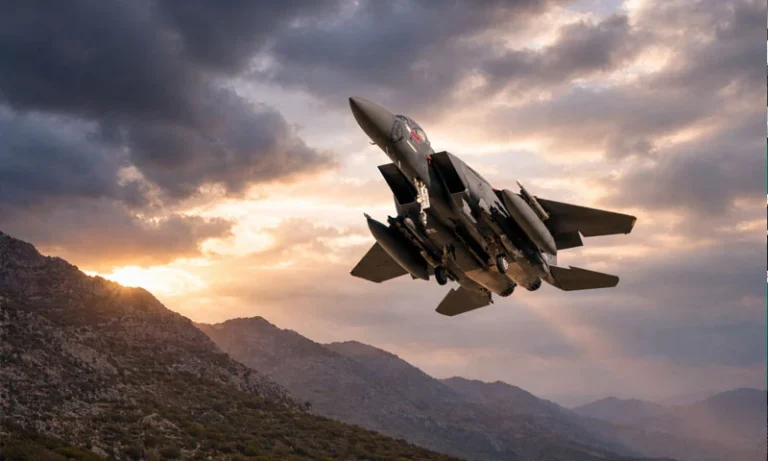
The austerity plan comes as global oil markets remain volatile due to the conflict involving Iran, the United States and Israel. The tensions have disrupted supply routes in the Gulf region and pushed crude oil prices to their highest levels in nearly two years.
Pakistan relies heavily on imported oil, much of which passes through the Strait of Hormuz, a critical global shipping route. Any disruption in this corridor directly affects the country’s fuel supply and prices.
Earlier this week, the government raised petrol and diesel prices by around 20 percent, citing global market pressures caused by the regional conflict.
Authorities said the price adjustment was unavoidable due to the sharp rise in international petroleum prices.
Committee Tasked With Proposing Measures
During the review meeting, the prime minister directed a committee to develop practical proposals for austerity and fuel conservation within 48 hours. The committee includes senior officials from the finance and petroleum ministries and other relevant departments.
Officials said the proposed measures aim to ensure the efficient use of energy while minimizing the burden on the public.
“The strategy should not only minimise the burden on the public but also prioritise their relief,” the prime minister emphasized during the meeting.
The plan may include steps to reduce government expenditure, promote fuel conservation and improve coordination with provincial governments.
Crackdown on Hoarding and Artificial Shortages
The prime minister also instructed authorities to take strict action against petrol pumps or companies involved in creating artificial shortages.
He ordered that any petrol station found hoarding fuel or exploiting the crisis should face immediate closure and legal action.
Officials said these measures are intended to prevent panic buying and ensure the smooth supply of petroleum products across the country.
Efforts to Stabilize Energy Supply
Alongside austerity measures, the government is exploring alternative ways to secure fuel supplies. Pakistan has already contacted regional partners to maintain steady imports and avoid disruptions caused by instability in the Gulf region.
Authorities say maintaining adequate fuel reserves and managing consumption will remain key priorities in the coming weeks.
The upcoming austerity plan is expected to outline several steps aimed at stabilizing the economy while protecting consumers from the worst effects of the global fuel crisis.