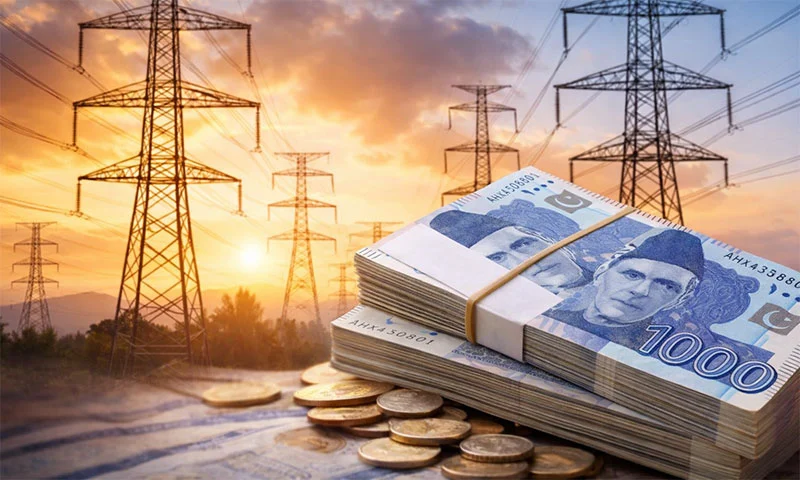
The federal government has set an ambitious target to finalise the first 200 megawatts (MW) electricity transaction under the newly launched Competitive Market Operations Date (CMOD) regime by June 2026. This milestone marks a key step in Pakistan’s long-awaited transition from a centrally controlled power sector to a more competitive and market-based electricity landscape.
Power Minister Sardar Awais Ahmed Khan Leghari said the projected market deal will signal “a significant milestone in Pakistan’s transition towards a competitive power market.” He acknowledged that although market reforms were conceptualised decades ago, meaningful implementation began only recently.
What the CMOD Regime Means
The CMOD framework allows bulk electricity buyers, such as large industrial and commercial consumers, to procure power directly from suppliers through competitive auctioning, rather than purchasing electricity solely from state-controlled distribution companies. This regime is closely tied to the development of a Competitive Trading Bilateral Contract Market (CTBCM), enabling multi-seller and multi-buyer dynamics in power trading.
Under the initial phase, 200MW of electricity will be made available for market trading, with future plans to expand this volume over subsequent years to bolster competition and attract investment.
The Central Power Purchasing Agency-Guarantee (CPPA-G) will operate as the market operator, facilitating competitive transactions and ensuring transparency. CPPA-G has been playing a central role in preparing the industry’s transition from a single buyer model to competitive power trading.
Economic Benefits for Businesses and Consumers
A competitive power market is expected to lower electricity costs for industrial consumers, as suppliers compete on price and services, potentially fostering job creation and higher productivity. According to analysts, Pakistan may soon offer some of the cheapest industrial electricity rates ever recorded, particularly for large buyers able to negotiate rates directly with generators.
This reform is part of a broader shift that aligns with conditions of Pakistan’s International Monetary Fund (IMF) programme, which aims to reduce subsidies and encourage market efficiency. While some previous reforms focused on tariffs and fixed charge adjustments, introducing competition through CMOD adds a structural change to the power sector.
Experts say a transparent competitive market could help shrink system losses and inefficiencies that have long plagued Pakistan’s electricity supply chain, including issues related to outdated infrastructure and electricity theft.
Benefits for the Economy
For large power users, access to negotiated market prices can translate to lower operating costs, making Pakistani industries more competitive domestically and internationally. Industrial sectors like textiles, manufacturing and export-oriented businesses are expected to benefit the most as they traditionally consume significant volumes of electricity. A more competitive market could also support foreign investment by creating a more predictable and market-driven energy environment.
By reducing reliance on a single buyer structure, the CPPA-G-backed competitive regime also encourages private investment in generation projects and strengthens grid efficiency, ultimately improving reliability for all consumers.
The move has been praised by power sector stakeholders as a forward-looking reform that can transform Pakistan’s electricity landscape and deliver tangible benefits for businesses and the broader economy.