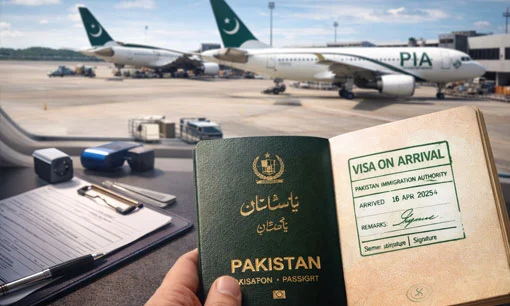
Pakistan will grant visas on arrival to delegates and media attending upcoming United States-Iran ceasefire talks in Islamabad, in a move aimed at facilitating participation and ensuring smooth diplomatic engagement following a fragile truce in the Middle East.
Pakistan’s Deputy Prime Minister and Foreign Minister Ishaq Dar announced the decision on social media platform X, saying that the government would extend full facilitation to participants of the talks. He said, “Pakistan will issue visas on arrival to delegates and journalists attending the US-Iran talks in Islamabad,” adding that all necessary arrangements were being made to ensure seamless entry and coordination.
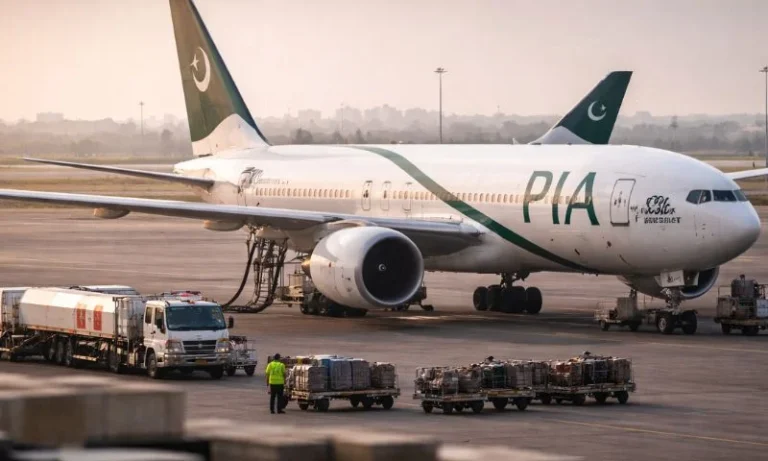
The decision comes as Islamabad prepares to host one of the most critical rounds of negotiations between Washington and Tehran after weeks of conflict. Authorities said airlines have been instructed to allow boarding of participants without prior visas, with immigration officials set to issue visas on arrival upon entry.
Islamabad gears up for crucial talks
Preparations in the Pakistani capital have intensified ahead of the negotiations, with heightened security and logistical arrangements reflecting the importance of the event. The talks follow a two-week ceasefire brokered with Pakistan’s involvement, which paused hostilities in a conflict that has had significant regional and global implications.
Diplomatic sources say Pakistan’s decision to simplify visa procedures is aimed at encouraging wider participation, including international media, and ensuring that discussions proceed without administrative delays. Officials emphasized that the country welcomes all delegates traveling in connection with the talks.
The negotiations are expected to focus on extending the ceasefire, addressing key areas of disagreement and exploring pathways toward a more durable agreement.
Pakistan’s diplomatic role gains momentum
Pakistan’s role in facilitating dialogue between the United States and Iran has drawn increasing global attention. Analysts say Islamabad’s ability to maintain communication channels with both sides has positioned it as a key intermediary in a conflict where direct engagement has been limited.
The ceasefire itself marked a significant breakthrough after weeks of escalating tensions that disrupted energy markets and raised fears of a wider regional war. Pakistan’s leadership engaged in sustained diplomatic outreach to bring both sides to the negotiating table, laying the groundwork for the upcoming talks.
Despite these uncertainties, the decision to ease visa procedures reflects Pakistan’s intent to play a proactive role in advancing diplomacy. By removing logistical barriers, Islamabad is seeking to ensure that the focus remains on substantive discussions rather than procedural hurdles.
As delegations begin arriving, expectations remain cautious but hopeful. The outcome of the Islamabad talks could determine whether the current ceasefire evolves into a broader peace process or remains a temporary pause in a volatile conflict.