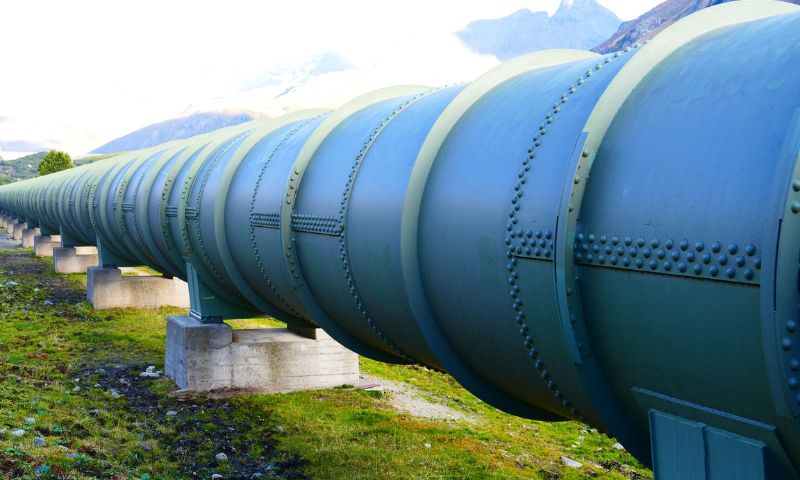
The federal government of Pakistan has announced an ambitious plan to change how petroleum products move across the country. The new strategy aims to shift oil transport from roads to pipelines, a move expected to cut costs, reduce fuel losses, and help consumers. Officials say this shift will also improve safety and reduce smuggling that costs the economy billions.
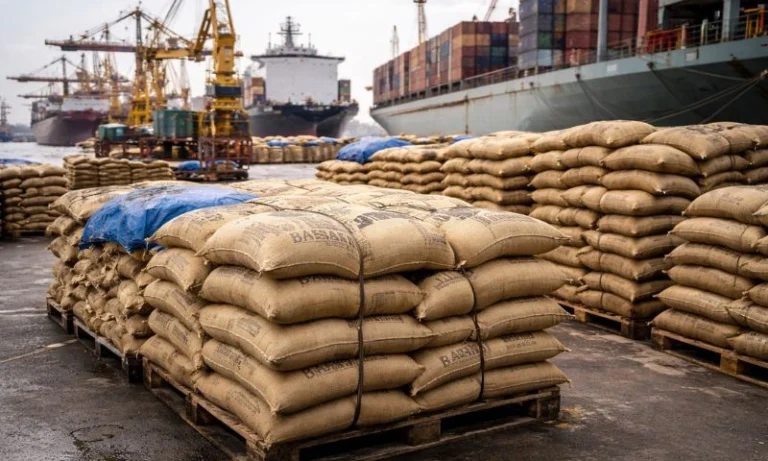
Currently, all diesel and most petrol supplies in Pakistan depend on road transportation by tankers and trucks. This system is expensive, vulnerable to theft, and often slows delivery, especially in remote regions. Under the new plan, the government will gradually expand the pipeline network in phases. In the first step, officials will construct a pipeline from Faisalabad to Tahlian, connecting major refining and distribution hubs.
Petroleum Minister Ali Pervaiz Malik explained that the shift to pipelines will lower transportation costs and deliver real relief to consumers struggling with high fuel prices. He also highlighted that the government has started installing a tracking system to monitor fuel movement more effectively and curb illegal distribution.
The plan is part of a broader reform agenda for Pakistan’s energy sector. Officials say reforms already implemented have helped stabilize gas prices, and the government has reduced circular debt in the gas sector to zero. However, challenges remain. Payment issues involving state-owned companies and disputes with the Federal Board of Revenue are still being addressed, with a high-powered committee formed to resolve them.
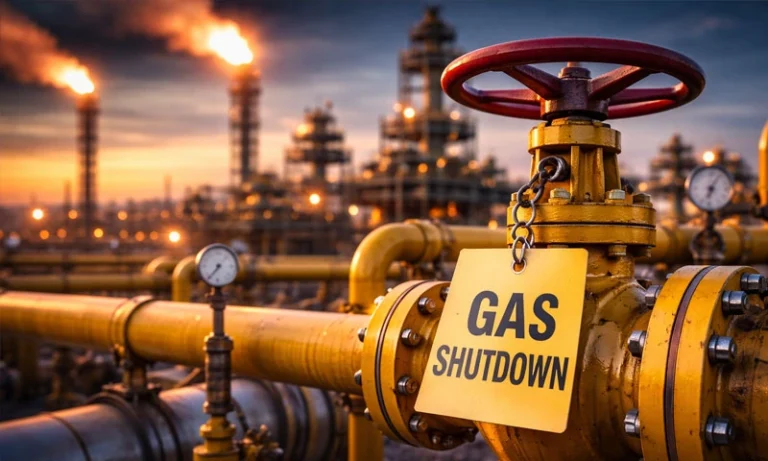
Experts say pipelines offer significant long-term benefits. Unlike road transport, pipelines reduce fuel losses, cut down on emissions, and lessen wear and tear on highways. Pipelines are also inherently safer, reducing accidents involving tanker trucks. Pakistan already has a legacy of successful pipeline projects, such as the White Oil Pipeline System and extensive networks operated by companies like PARCO and PAPCO, which transport millions of tons of petroleum products annually.
Environmental and economic analysts note that transporting oil via pipeline is not only cheaper but also greener. Fewer trucks on the road mean reduced carbon emissions and less congestion. Experts believe this move could align with Pakistan’s climate goals while strengthening its energy infrastructure.
The government’s plan has drawn interest from investors because expanding the pipeline network could open doors to new private sector participation and modernization of existing facilities. This could create jobs and improve energy security in the long run.
However, some road transport workers have raised concerns about the potential impact on employment, as fewer tankers on the road could mean fewer jobs for truck drivers and allied workers. Policymakers say they will consider these concerns as part of the transition strategy.
As Pakistan moves forward with this plan, officials are calling for cooperation from all stakeholders to ensure a smooth and effective transition from road-based oil transport to pipeline networks.