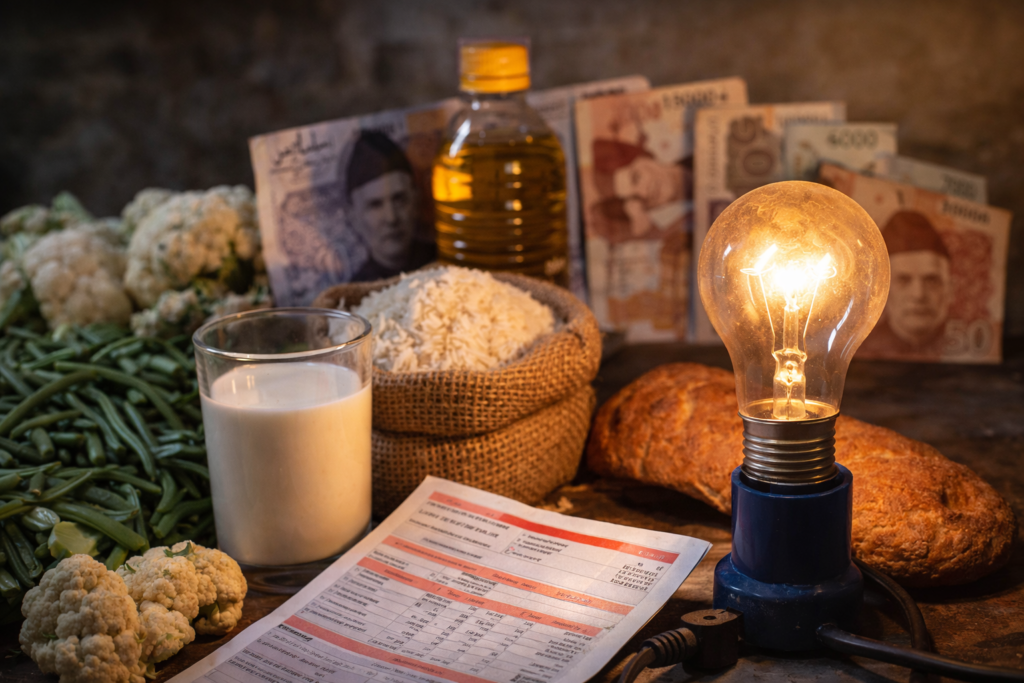
Pakistan’s households are spending nearly two out of every three rupees on just food and electricity, highlighting how sharply rising living costs are reshaping daily life across the country, according to a new government survey.
The findings come from the Household Integrated Economic Survey (HIES) 2024–25, released by Planning Minister Ahsan Iqbal. Conducted after a gap of more than six years, the survey paints a stark picture of how inflation has eroded household purchasing power.
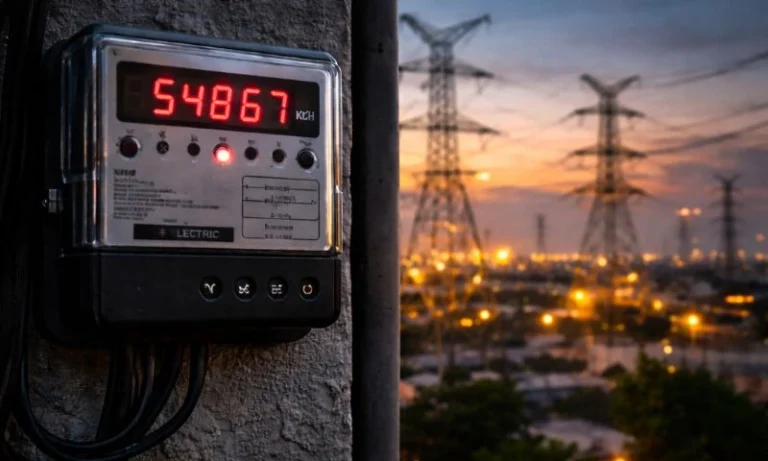
The survey shows that while incomes have increased, expenditures have grown even faster, leaving families with little room for savings or investment in education and health. On average, households now spend 63 percent of their total monthly expenses on food and housing-related costs, including electricity and gas.
Food alone accounts for 37 percent of household spending, while 26 percent goes toward housing, electricity, and gas. In contrast, spending on education has fallen to just 2.5 percent, less than half of what households spend on housing and utilities. Combined spending on education, health, and recreation stands at only 7 percent.
The report also highlights a growing dependence on external income sources. The share of foreign remittances in household income has climbed from below 5 percent six years ago to nearly 8 percent today. Gifts and financial assistance have also surged, more than doubling to 4.6 percent, signaling increased reliance on informal support networks.
According to officials at the Pakistan Bureau of Statistics, rural households show an even sharper rise in dependence on remittances, reflecting fewer domestic job opportunities. Independent economists link this trend to the steady outflow of young and skilled workers seeking employment abroad.
Income inequality remains pronounced. While the average monthly household income has nearly doubled from Rs41,545 to Rs82,179 over six years, the poorest 20 percent earn Rs41,851 per month, compared with Rs139,317 earned by the richest quintile. Urban households earn significantly more than rural ones, with average monthly income rising to Rs96,767 in cities.
Household expenses have risen faster than earnings. Monthly consumption spending jumped from Rs37,159 to Rs79,150, growing at an average rate of 19 percent per year, compared to a 16 percent annual rise in income.
Within food spending, milk accounts for the largest share at 22 percent, followed by wheat (12 percent) and cooking oil (6 percent). The survey also notes that spending at restaurants now exceeds spending on education, especially among higher-income households.
The findings reflect years of economic strain marked by double-digit inflation, currency depreciation, and fiscal tightening under IMF-backed reforms, which have placed the heaviest burden on middle- and lower-income families.