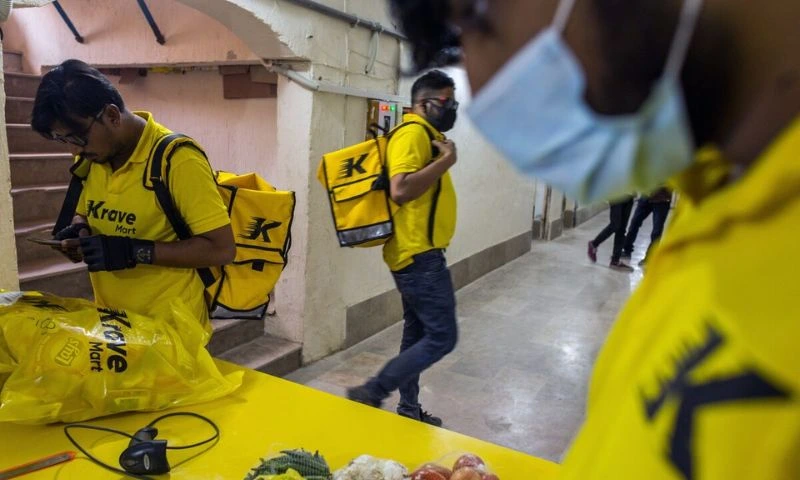
Pakistan’s latest petrol price increase is beginning to ripple across everyday services, and one of the clearest examples is the change recently introduced by Krave Mart, a growing quick commerce grocery delivery platform. The company has raised its free delivery minimum order from Rs499 to Rs999, citing the rising cost of operations linked to fuel prices. The move reflects a broader economic reality: when energy costs surge, the impact eventually reaches both businesses and consumers.
While the change has sparked conversation among users, industry observers say the decision highlights the difficult balancing act faced by delivery platforms trying to keep services affordable in a rapidly changing economic environment.
Petrol Price Shock Hits Pakistan
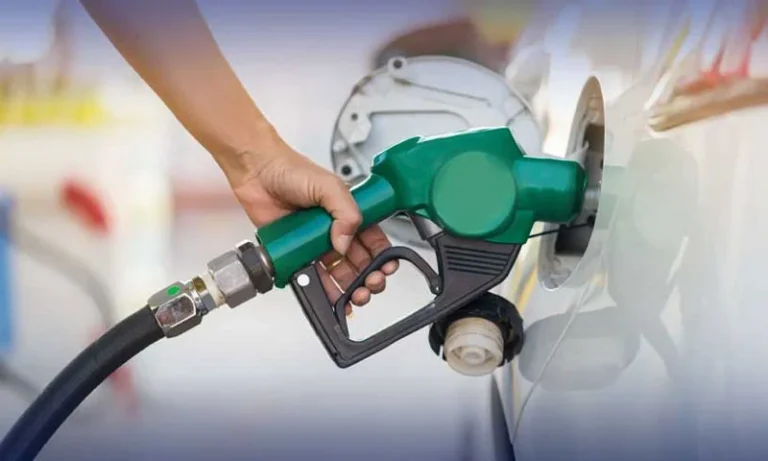
The adjustment comes shortly after Pakistan announced a major increase in fuel prices. The government raised petrol and diesel rates by about Rs55 per litre, pushing petrol to roughly Rs321.17 per litre and diesel to around Rs335.86 per litre. The hike was linked to a sharp rise in global oil prices triggered by geopolitical tensions in the Middle East.
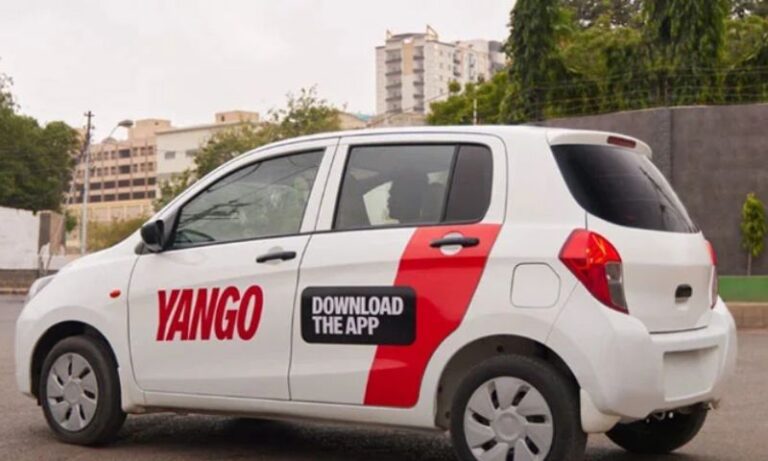
Fuel price increases quickly affect transportation costs across the economy. Delivery companies, ride hailing platforms, logistics providers, and freight businesses all depend heavily on petrol and diesel to move goods.
Experts say even a small change in fuel prices can significantly increase operating costs for services that rely on fleets of motorcycles or vehicles for last mile delivery.
The Rise of Quick Commerce in Pakistan
Founded in 2021, Krave Mart has become one of Pakistan’s emerging quick commerce platforms, promising grocery deliveries in roughly 20 to 30 minutes through a network of dark stores across cities like Karachi, Lahore, and Rawalpindi.
The startup operates in a market largely dominated by major delivery platforms such as Foodpanda. However, Krave Mart carved out a niche by focusing on speed and affordability.
One of the platform’s most consumer friendly features was its free delivery policy. Until recently, users could qualify for free delivery on orders as low as Rs499, which was significantly lower than many competitors.
For comparison, industry users often note that Foodpanda typically requires a much higher minimum order value, often around Rs1399, for free delivery promotions.
Why Krave Mart’s Change Matters
The shift from Rs499 to Rs999 signals how difficult it has become for delivery platforms to absorb rising operational costs. Each delivery involves fuel, rider compensation, logistics management, and technology infrastructure. As petrol prices climb, the cost per order increases immediately.
By raising the minimum order threshold, Krave Mart is attempting to maintain free delivery while ensuring that individual orders remain economically viable. Industry analysts say the move still positions the company relatively well in the market.
“Even at Rs999, the threshold remains competitive compared with many delivery platforms,” said one e commerce consultant familiar with the sector.
Global Crises, Local Consequences
Pakistan’s fuel price surge is not occurring in isolation. The country has faced years of economic challenges, including inflation and rising import costs. Global energy market volatility often translates directly into higher domestic fuel prices.
Because Pakistan imports most of its fuel, international price shocks can quickly affect the entire economy. For businesses, this means rising logistics expenses. For consumers, it means higher costs for transportation, groceries, and delivery services.
Businesses Adjust While Customers Adapt
Krave Mart’s decision reflects a wider trend across the digital economy. Companies are trying to protect customers from direct delivery charges while adapting to rising operational costs. By continuing to offer free delivery at a relatively low threshold compared with competitors, the company is positioning itself as a consumer friendly platform despite the economic pressure.
Ultimately, the change illustrates how global crises and energy markets can shape everyday services. From petrol pumps to grocery apps, the cost of fuel is increasingly shaping how businesses operate and how consumers shop.