The federal government is preparing to raise petrol prices in Pakistan, potentially adding further pressure on millions of fuel consumers already coping with high inflation and living costs. According to government sources, petrol price is expected to increase by around Rs4.58 per litre, while high-speed diesel (HSD) may go up by about Rs4.73 per litre, starting from March 1, 2026 once approved.
The Oil and Gas Regulatory Authority (OGRA) recently completed its pricing review and submitted the proposal to the Petroleum Division. If approved by the federal government, the official notification will be issued by the Ministry of Finance, setting the new rates in stone for the next fortnight. Officials also said kerosene oil is likely to increase by Rs6.88 per litre, and light diesel oil may rise by Rs5 per litre.
Fuel Price Revisions Are Fortnightly
The pricing of petrol and other petroleum products in Pakistan is reviewed every two weeks. These adjustments reflect changes in global oil prices, exchange rate movements, and domestic cost components such as taxes, levies, and distribution margins. Analysts say that frequent price fluctuations are a direct result of volatility in international crude oil markets coupled with local currency pressures.
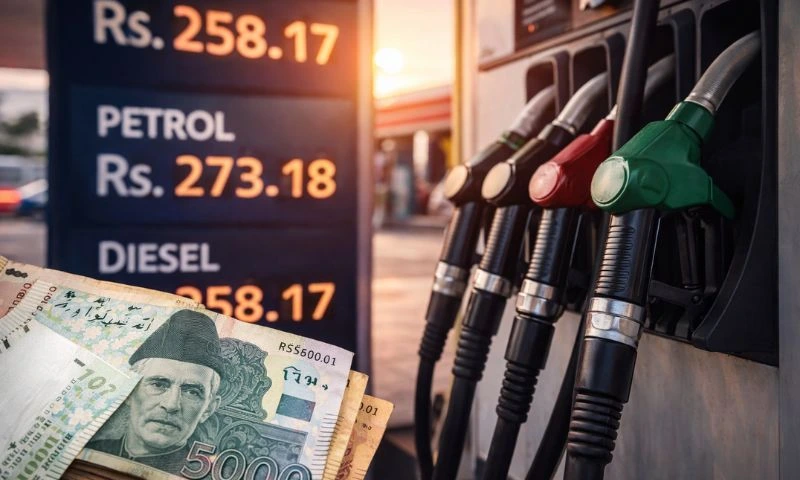
Recent history shows similar movements. On February 16, 2026, the government raised petrol prices by Rs5 per litre and HSD by Rs7.32 per litre, increasing petrol to Rs258.17 per litre. That increase was widely criticised by political parties and public commentators as ill-timed, especially given rising inflation and economic stress. (turn0search26) Critics have said that fuel costs have a direct effect on transportation, food prices, and daily expenses.
Despite these concerns, officials argue that aligning domestic rates with import and global market costs is necessary to maintain energy sector stability. The pricing mechanism has to work within Pakistan’s fiscal framework and often reflects broader economic pressures, including international supply chain costs and fluctuations in crude oil benchmarks such as Brent and Arab Light crude prices.
Impact on Consumers and Economy
Any rise in petrol prices impacts consumers directly. Petrol is a basic necessity for daily commuting, small vehicles, and personal transport. Diesel price increases affect heavy transport, goods deliveries, public buses, and agricultural machinery. Transporters typically pass on fuel cost increases to consumers through higher fares and goods prices. Over time, even a modest fuel price rise can contribute to broader inflation, putting further strain on household budgets.
Economists often link fuel price hikes with general inflationary trends, as fuel costs feed into transportation, logistics, and production expenses across all sectors. Higher fuel prices can reduce disposable income, lower consumer spending, and contribute to rising cost of goods and services.
Authorities sometimes adjust petroleum development levies or taxes to cushion the blow for consumers. Whether such a relief mechanism will be used this time remains unclear. Markets will continue to watch international crude oil trends, currency movements, and policy announcements for more definitive guidance on fuel pricing in the coming weeks.