A social media controversy involving Phoebe Gates has sparked debate online after an influencer accused her of negotiating down a $250 payment for promotional work, highlighting tensions around pay, privilege and influencer marketing norms.
Influencer claims dispute over payment
According to reports, the controversy began when a content creator alleged that Phoebe Gates attempted to bargain over a $250 fee for a collaboration, a rate the influencer described as already modest for the work involved. The claim quickly gained traction on platforms like TikTok and Instagram, where users debated the expectations placed on creators and brands or public figures seeking exposure.
The influencer said she was approached for a paid collaboration but was surprised when the rate became a point of negotiation. Social media posts describing the exchange drew mixed reactions, with some users criticizing the alleged attempt to reduce compensation, while others argued that negotiation is common in influencer partnerships.
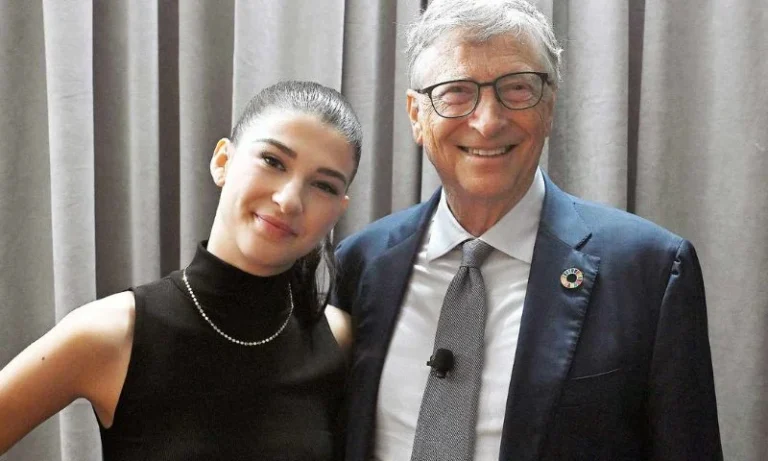
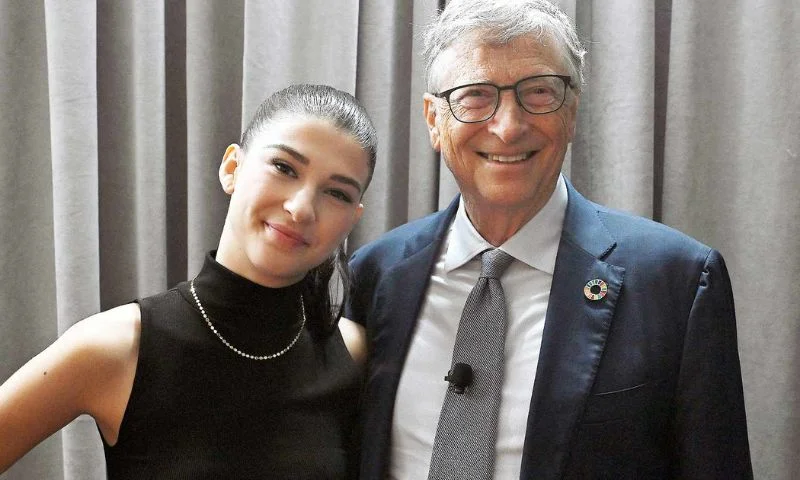
Phoebe Gates, the youngest daughter of Bill Gates, has not publicly issued a detailed response to the specific allegation. However, the discussion has continued to trend across digital platforms, reflecting broader concerns within the creator economy.
Debate over value in creator economy
The incident has tapped into a larger conversation about how influencer work is valued. Industry analysts say rates for content collaborations can vary widely depending on audience size, engagement and platform, but even smaller creators increasingly expect fair and transparent compensation.
Marketing research indicates that micro-influencers, who often charge between $100 and $500 per post, are playing a growing role in brand campaigns due to their higher engagement rates compared to larger accounts. The $250 figure mentioned in the dispute falls within this commonly cited range, underscoring why the allegation resonated with many creators.
Some social media users defended Gates, noting that negotiation is a routine part of business interactions. Others, however, argued that individuals with significant financial privilege should be more mindful of the economic realities faced by independent creators.
Experts say such disputes highlight a lack of standardisation in the influencer economy. “There are no fixed rules, which often leads to misunderstandings between creators and clients,” said one digital marketing consultant, pointing to the need for clearer contracts and expectations.
Social media scrutiny intensifies
The controversy also reflects the heightened scrutiny faced by public figures online, where even relatively small financial disagreements can quickly become viral debates.
Phoebe Gates, who has been building her own public profile separate from her father’s legacy, is part of a younger generation of high-profile individuals navigating digital branding and entrepreneurship. Her activities, including partnerships and advocacy work, are often closely watched by both supporters and critics.
The episode has also reignited conversations about wealth perception. While some users framed the issue as a simple business negotiation, others saw it as symbolic of broader inequalities within the creator economy.
As the digital marketplace continues to expand, experts suggest that clearer guidelines around compensation, transparency and communication will be essential to avoid similar controversies in the future.
For now, the debate surrounding a $250 negotiation has become more than just a disagreement, evolving into a wider reflection on fairness, value and power in the age of social media.