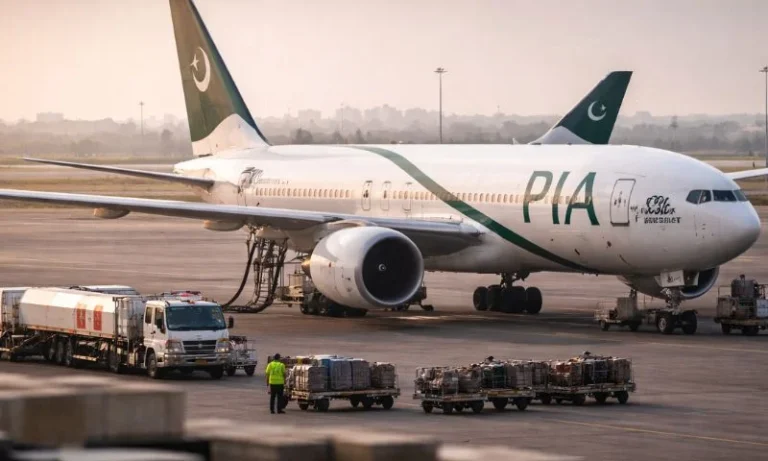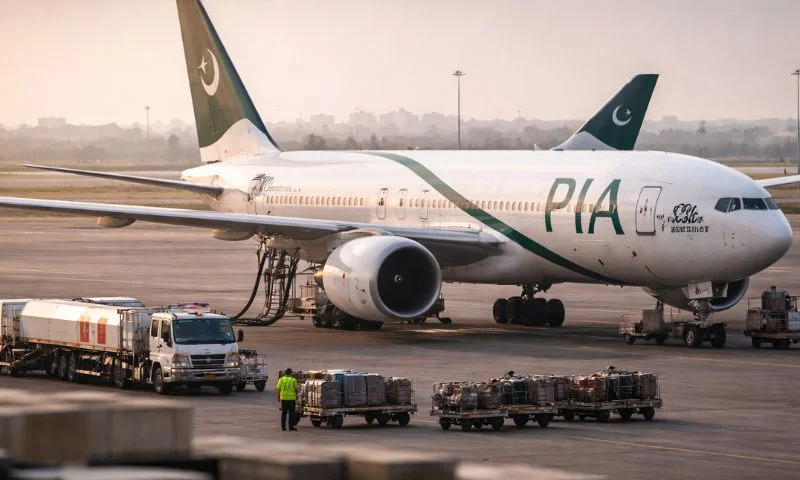
Pakistan International Airlines has scaled back operations and withdrawn fare discounts as rising jet fuel prices deepen financial pressure on the national carrier, according to officials.
The move comes after a sharp increase in aviation fuel costs, driven by global oil price volatility and regional tensions that have disrupted supply chains.
In an official statement, the airline confirmed that “a plan has been prepared to deal with the continuously rising prices and potential losses,” adding that fare concessions have been withdrawn for most passenger categories.
Discounts for students, senior citizens, journalists and other groups have been suspended, with only limited exemptions for children and infants remaining in place.
A spokesperson said the decision was necessary as “unprecedented increases in jet fuel costs” have significantly raised operating expenses.
Flights reduced, routes suspended
Alongside ending discounts, PIA has reduced its flight network to cut costs.
Flights to several international destinations have been suspended or limited, while operations to some Gulf routes remain restricted due to ongoing regional disruptions. The airline has also reduced flight frequency on selected routes to manage fuel consumption.
Officials said the airline was forced to take “tough administrative decisions” as it cannot pass the full burden of fuel price increases onto passengers.
Industry data shows that aviation fuel prices in Pakistan have surged dramatically in recent weeks. Jet fuel rates have risen sharply, with reports indicating increases of over 100 percent since early March, putting airlines under severe financial stress.
Fuel accounts for nearly 30 to 40 percent of airline operating costs, making such spikes particularly damaging for carriers already operating on thin margins.
Mounting financial strain on national carrier
PIA has long struggled with financial losses, and the latest fuel price surge has intensified concerns about its sustainability.
Analysts say the airline’s latest measures are aimed at reducing immediate losses, but warn that continued volatility in oil markets could lead to higher ticket prices and further cuts in services.
Recent weeks have also seen airlines operating in Pakistan introduce fuel surcharges, with additional charges applied on both domestic and international routes as operating costs climb.
Experts link the surge in fuel prices to geopolitical tensions in the Middle East, which have disrupted key oil supply routes and increased global crude prices.
Officials remain hopeful that conditions will stabilise.
“It is hoped that international prices will soon return to normal levels,” the airline said, indicating that suspended routes could be restored once fuel costs ease.
For passengers, however, the immediate impact is clear. Air travel is becoming more expensive and less accessible, as Pakistan’s aviation sector navigates one of its most challenging periods in recent years.