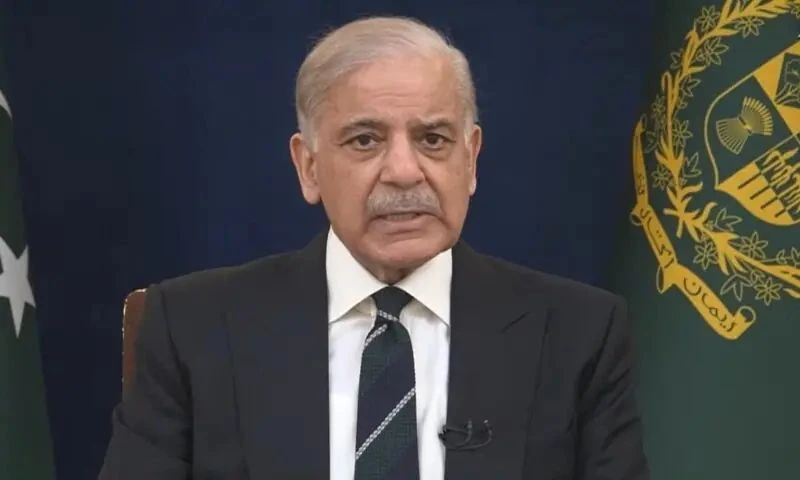
Prime Minister Shehbaz Sharif on Monday unveiled a series of austerity measures aimed at conserving fuel and reducing government expenditure as Pakistan faces economic pressure from the global fuel crisis triggered by the war in the Middle East.
In a televised address to the nation, the prime minister said the government had held consultations earlier in the day with federal and provincial authorities to finalise the measures. The decisions were taken to reduce fuel consumption and prepare the country for the economic fallout of the regional conflict.
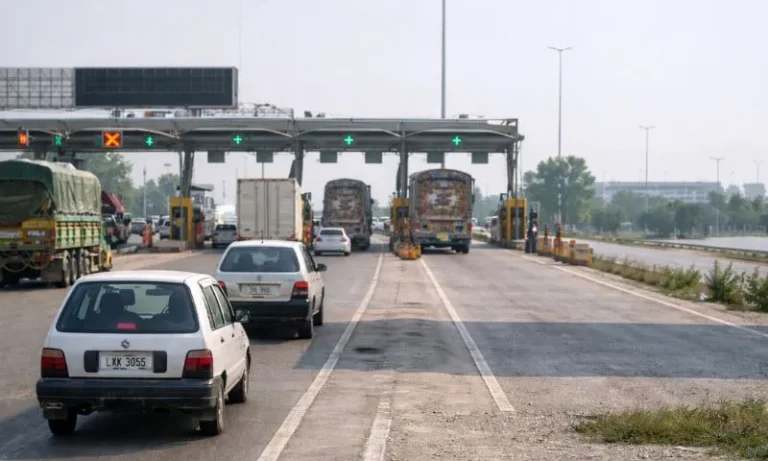
Among the key steps announced, the prime minister said fuel allowances for official vehicles would be reduced by 50 percent for the next two months. However, ambulances and public transport vehicles would be exempt from the cut.
He also said that 60 percent of vehicles used by government departments would be taken off the road during the same period in order to conserve fuel. In addition, members of the federal cabinet will forgo their salaries for two months.
The austerity package also includes a 25 percent reduction in the salaries of parliamentarians. Senior government officers in grade BS-20 who earn more than Rs300,000 will contribute two days’ salary to support the public during the crisis.
Shehbaz Sharif further announced that government departments would cut their operational expenses by 20 percent. A ban has also been imposed on purchasing vehicles, furniture, air conditioners and other equipment for government offices. Foreign trips by ministers, advisers and government officials have been prohibited unless they are deemed essential for national interests.
To further reduce fuel consumption, the government will prioritise teleconferencing and online meetings. Official dinners and Iftar gatherings have also been banned, while seminars and conferences will be held in government buildings instead of hotels.
The prime minister said several decisions had also been taken to conserve fuel and energy in both public and private sectors. Except for essential services, 50 percent of employees will work from home while offices will operate only four days a week. However, he clarified that banks will not be affected by the shortened work week.
He also announced changes in the education sector to limit transportation related fuel use. Schools will have two weekly holidays and a two week break beginning at the end of this week. Higher educational institutions will shift to online classes during this period.
Shehbaz Sharif warned that profiteers and hoarders should not attempt to exploit the situation by creating artificial shortages of petroleum products. “Otherwise, the law will come into effect and action will be taken,” he said.
PM Condemns US and Israel Attacks on Iran
At the start of his address, the prime minister spoke about the rapidly escalating conflict in the Middle East and condemned the attacks carried out by the United States and Israel on Iran, saying the strikes had pushed the region towards greater instability.
“These attacks have posed a great threat to the whole region,” he said, warning that the war could have serious consequences for global peace and economic stability.
He also said Pakistan stood “shoulder to shoulder” with friendly Gulf countries affected by the conflict and emphasised the need for restraint to prevent further escalation in the region.
The premier warned that global oil prices had already crossed $100 per barrel following the outbreak of hostilities. “If things keep progressing in this manner, then the prices will get out of hand,” he said.
Explaining the recent petroleum price hike, the prime minister said the decision was extremely difficult. “The decision to raise the price of petroleum products was a difficult one, where my head was at war with my heart,” he said, adding that the government had avoided a larger increase to reduce the burden on citizens.
“We tried to take the middle road so that the burden on you is less,” he said.
Shehbaz Sharif concluded by urging national unity in the face of global challenges and assured citizens that the government was working continuously to protect the economy.
“In the coming days oil prices may increase again, but I will try that the burden does not fall on you.”