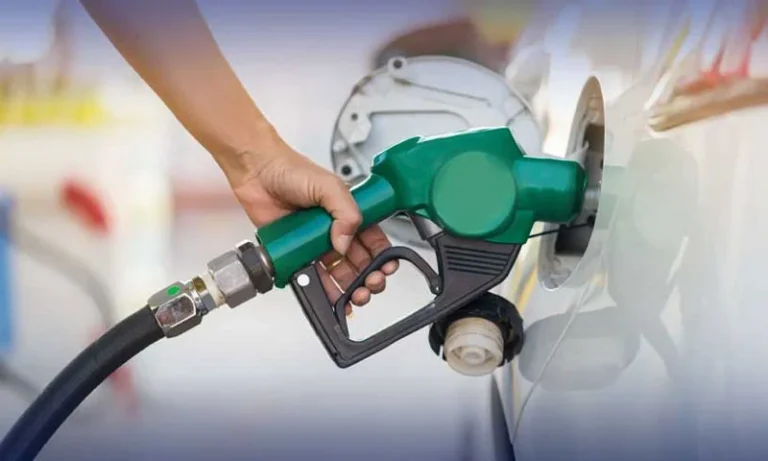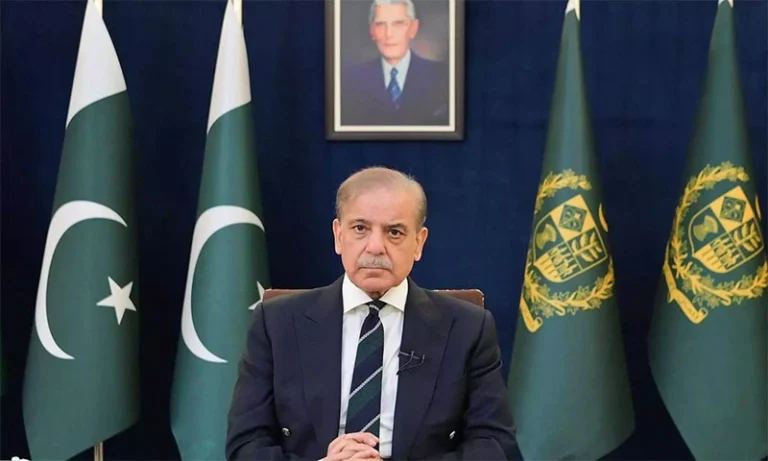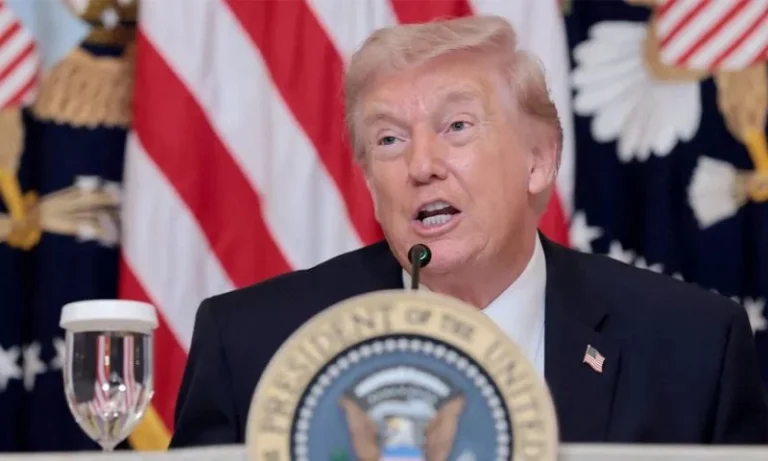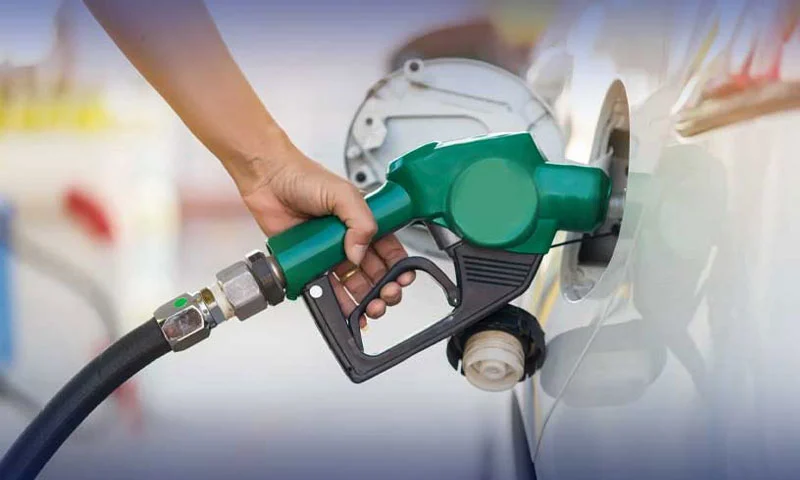
Prime Minister Shehbaz Sharif has banned the use of high-octane fuel in government vehicles as part of a wider austerity drive aimed at tackling Pakistan’s ongoing fuel and economic crisis.
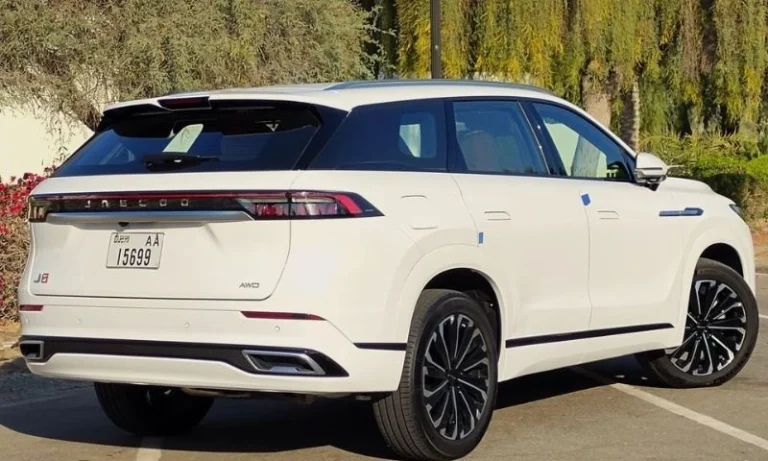
The decision comes alongside a major increase in the levy on high-octane petrol, a fuel typically used in luxury vehicles. Officials say the combined measures are designed to reduce unnecessary expenditure and shift the financial burden toward wealthier segments of society.
Rs200 Levy Increase on High-Octane Fuel
As part of the broader policy, the government has approved a Rs200 per litre increase in the levy on high-octane fuel, raising the total levy to around Rs300 per litre.
According to the Prime Minister’s Office, the move is expected to generate around Rs9 billion in monthly savings. Officials stated that “the wealthiest segment will bear the cost,” as the measure specifically targets fuel used in high-end vehicles.
Importantly, petrol prices for ordinary vehicles and public transport fares have not been increased, ensuring relief for middle- and lower-income groups.
Ban on High-Octane Use in Govt Vehicles
In addition to the levy hike, the prime minister has directed that government vehicles will no longer be allowed to use high-octane fuel.
Officials have also been instructed to bear the cost themselves if they choose to use premium fuel, reinforcing the government’s push for discipline and cost-cutting within state institutions.
The move reflects a clear message from the government to lead by example during a time of economic pressure.
Background: Fuel Crisis and Global Pressures
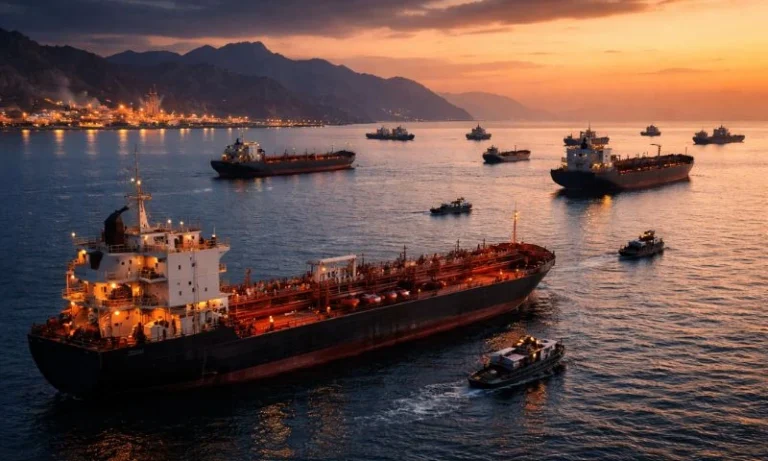
Pakistan’s latest measures come in response to rising global oil prices triggered by tensions in the Middle East, particularly the conflict involving the United States, Israel, and Iran.
Earlier this month, petrol and diesel prices were increased by Rs55 per litre due to supply disruptions and rising crude oil prices. The country, which relies heavily on imported fuel, is facing significant pressure on its economy and foreign reserves.
In response, both federal and provincial governments have introduced wide-ranging austerity measures, including reducing fuel usage, limiting official travel, and cutting non-essential expenditures.
Relief Strategy for the Public
The government has emphasized that savings generated from the high-octane levy will be redirected toward public relief.
Officials say a targeted relief package for deserving segments is also under consideration, with multiple ministries working on a joint strategy. At the same time, the government has already absorbed part of the fuel price increase to prevent further burden on citizens.
Balancing Crisis and Policy Action
The ban on high-octane fuel and the levy increase together signal a shift toward targeted economic policies. Rather than increasing prices across the board, the government is focusing on luxury consumption to manage the crisis.
As Pakistan navigates rising energy costs and global uncertainty, authorities continue to stress conservation, discipline, and equitable burden-sharing.