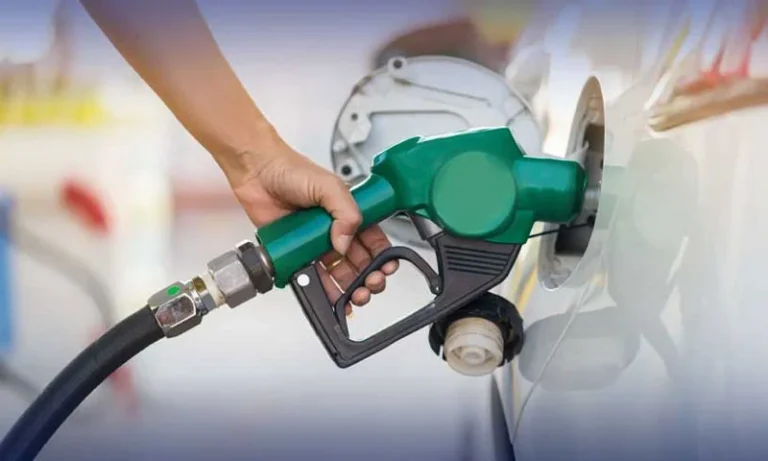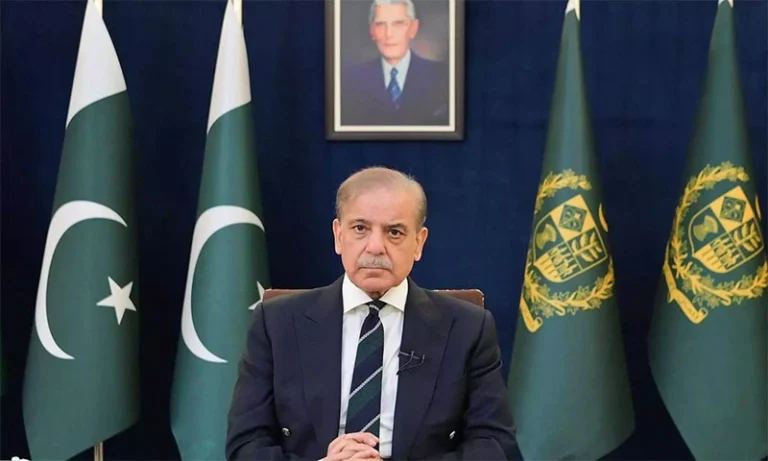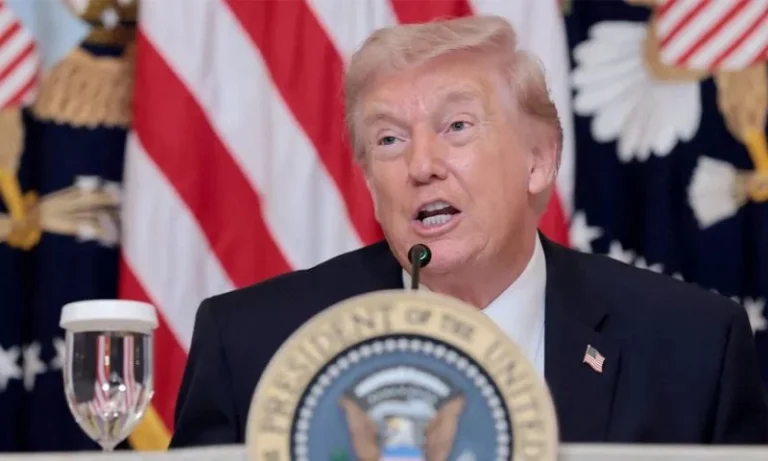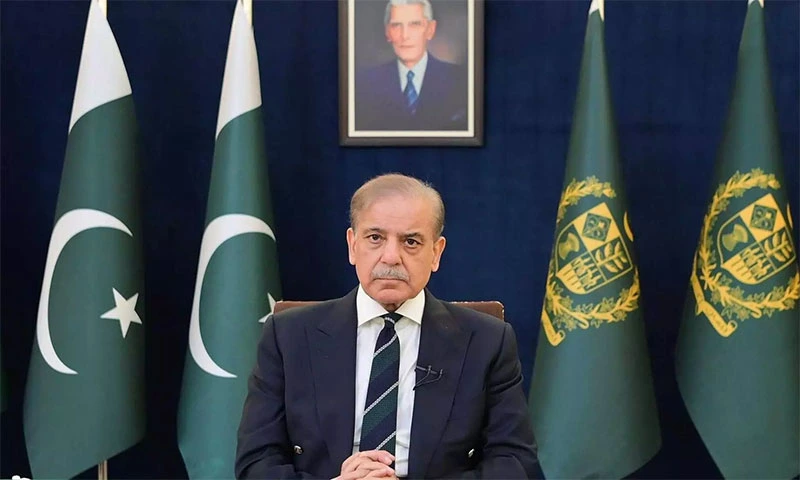
Prime Minister Shehbaz Sharif has rejected a summary proposing an increase in petrol and diesel prices, offering immediate relief to consumers already burdened by rising inflation. The decision came despite strong pressure from global oil markets, where prices have surged due to escalating tensions in the Middle East.
According to officials, the proposal to increase petroleum prices was sent by relevant authorities, including the Oil and Gas Regulatory Authority, but the prime minister chose to block it. The move aims to protect the public from further financial strain at a time when fuel costs are already at historic highs.
The Prime Minister’s Office stated that “no price hike is being made in order to reduce the burden on the common man,” reaffirming the government’s commitment to provide maximum relief during difficult economic conditions.
Address to the Nation: Economic Pressure and Government Strategy
In a televised address to the nation, Shehbaz Sharif highlighted the severe impact of global geopolitical tensions on Pakistan’s economy. He said, “The global economy is currently under pressure due to regional tensions, which is likely to have a profound impact on Pakistan’s economy.”
The prime minister explained that Pakistan is taking a coordinated approach to tackle the crisis. He pointed to timely policy decisions, austerity measures, and financial discipline as key tools being used to stabilize the economy.
He also emphasized that both federal and provincial governments are working together to ensure that citizens are not overcharged and that price controls remain effective across the country.
Background: Recent Fuel Price Shock
The decision comes just days after the government increased petrol and diesel prices by Rs55 per litre, pushing petrol to around Rs321.17 per litre and diesel to over Rs335 per litre.
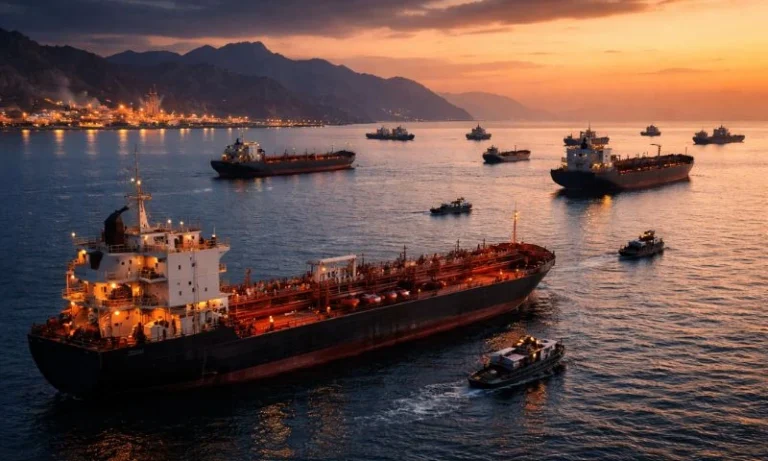
This sharp increase followed disruptions in global oil supply caused by conflict involving the United States, Israel, and Iran. The crisis has pushed international crude oil prices close to $100 per barrel, creating serious challenges for energy-importing countries like Pakistan.
Austerity Measures to Offset Impact
To manage the economic fallout, the government has introduced wide-ranging austerity measures. These include reducing fuel usage in government departments, limiting official travel, and cutting unnecessary expenditures.
Reports indicate that authorities are also reducing office attendance, limiting vehicle use, and implementing broader cost-cutting strategies to conserve fuel and stabilize the economy.
The prime minister said these steps are necessary to ensure that the burden does not fall entirely on the public.
Ensuring Fuel Supply and Market Stability
Despite global disruptions, the government has assured that adequate crude oil supplies are available to meet domestic demand. Shehbaz Sharif credited diplomatic and economic teams for securing fuel shipments and maintaining stability in supply chains.
He also expressed hope that international conditions would improve soon, leading to stabilization in oil prices and easing pressure on Pakistan’s economy.
Relief vs Economic Reality
While the decision to reject a fuel price hike provides short-term relief, analysts warn that Pakistan’s heavy reliance on imported energy makes it vulnerable to global price shocks.
The government now faces the challenge of balancing fiscal stability with public relief, especially as inflation remains sensitive to energy prices.