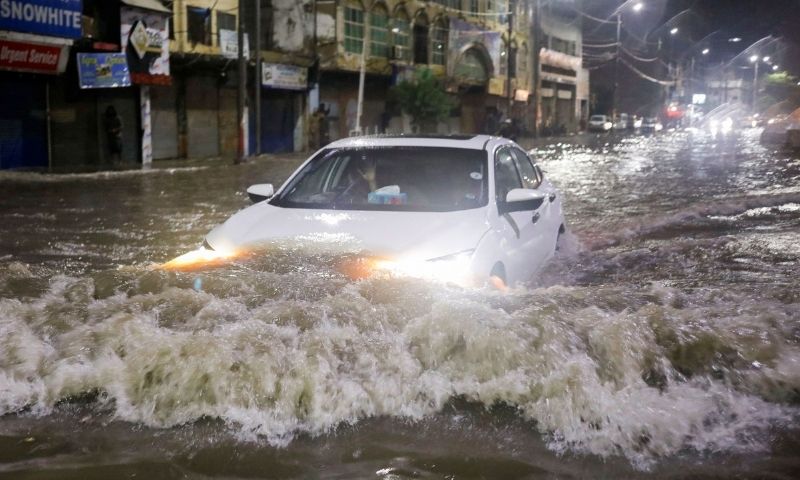
Karachi residents should prepare for rain, wind and thunderstorms next week as a westerly weather system moves into Pakistan, the Pakistan Meteorological Department (PMD) has warned. A shallow westerly wave is expected to approach upper parts of the country from January 16, lasting until January 19 and strengthening from January 20, with rainfall predicted in Sindh including Karachi on January 22 and 23.
The Met Office says the weather system will first affect northern regions like Gilgit-Baltistan, Azad Kashmir and upper Khyber Pakhtunkhwa, with rain-wind and light to moderate snowfall from January 16 to January 19. Light rain and snow are also expected in Murree, Galyat and surrounding hill stations between January 18 and 20.
From January 20 onward, the wet spell is expected to intensify and spread across much of the country — Islamabad, Potohar, Punjab, and Khyber Pakhtunkhwa districts are forecast to see widespread rainfall and thunderstorms. Heavy snowfall is likely in high-altitude areas including Chitral, Dir, Swat, Murree and the Neelum Valley.
The system will reach Sindh on January 22 and 23, bringing intermittent rain, strong winds and thunder to Karachi, as well as other parts of the province. Cities like Hyderabad, Dadu, Jacobabad, Naushahro Feroze, Kashmore, Larkana and Mirpurkhas may also experience wet weather.
Karachi’s winter climate typically stays dry and cool in January, with night temperatures often falling below 10 °C due to northeasterly winds and low humidity. However, western disturbances — weather systems driven by mid-latitude westerly winds — occasionally bring unexpected rain to the city during the winter. These systems draw moisture from the Mediterranean and surrounding seas, causing unexpected winter precipitation across Pakistan and northwest India.
Such rainfall can offer relief from dry cold conditions but also disrupt daily life. Roads may become slippery with rising water levels during heavier bursts, and commuters should expect strong winds and cooler temperatures through mid-January. Experts remind residents that while Karachi’s rain does not usually amount to heavy flooding, localized showers and thunderstorm activity can occur during these winter spells.
The PMD has advised people to stay updated with the latest weather advisories and drive with caution in rainy conditions, especially on highways and outer roads. Tourists planning visits to northern areas should remain alert to updated snowfall forecasts that may affect travel.
This developing system highlights the varied impact of winter weather across Pakistan from rain in low-lying coastal cities like Karachi to snow in high mountain regions underscoring the importance of advance preparation and awareness during the winter season.