Punjab has recorded its first significant improvement in air quality since the COVID-19 lockdowns, offering a rare moment of relief for residents long affected by severe smog and pollution.
According to the Environmental Protection Agency and global air monitoring platform IQAir, 2025 emerged as the cleanest year for Punjab’s air quality in recent times. The province witnessed a 33.2 percent reduction in PM2.5 levels, with the average Air Quality Index dropping from 116.6 in 2024 to 77.9 in 2025.
Province-Wide Improvement in Air Quality
Data released by the EPA shows that most major cities and districts across Punjab experienced a noticeable decline in pollution levels.
Lodhran and Mandi Bahauddin recorded reductions exceeding 50 percent, while Bahawalpur saw a 49 percent improvement. Rawalpindi’s pollution dropped by 26 percent and Lahore, often ranked among the world’s most polluted cities, recorded a 13 percent decrease.
However, Faisalabad stood out as an exception, with pollution levels rising by 11 percent compared to the previous year.
Strict Enforcement Drives Results
Officials attributed the improvement largely to aggressive enforcement measures taken throughout the year. Inspections increased significantly, rising from 76,000 in 2024 to over 113,000 in 2025.
Authorities also registered more than 2,300 FIRs against polluters and imposed fines totaling Rs192 million.
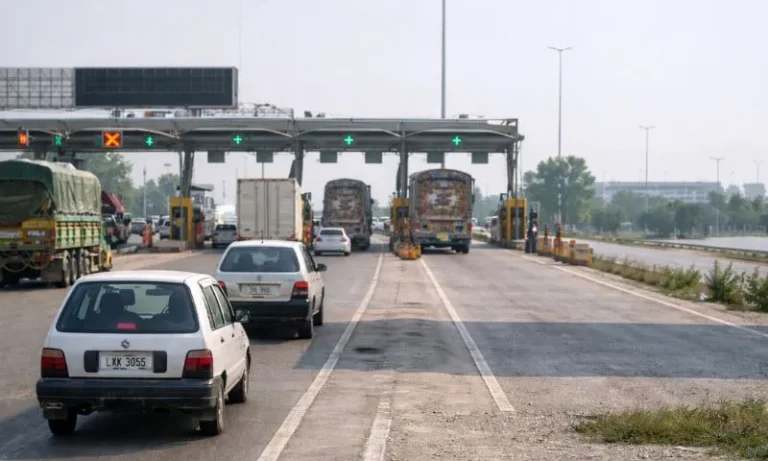
Vehicle emissions were a key focus of the crackdown. In Lahore alone, nearly 298,000 vehicles were inspected, and over 7,600 were penalized for failing emission tests.
Experts say road transport remains one of the largest contributors to air pollution in Punjab, making such enforcement measures critical for long-term improvement.
Technology and Innovation in Anti-Smog Efforts
In addition to enforcement, authorities deployed new technological solutions to combat pollution.
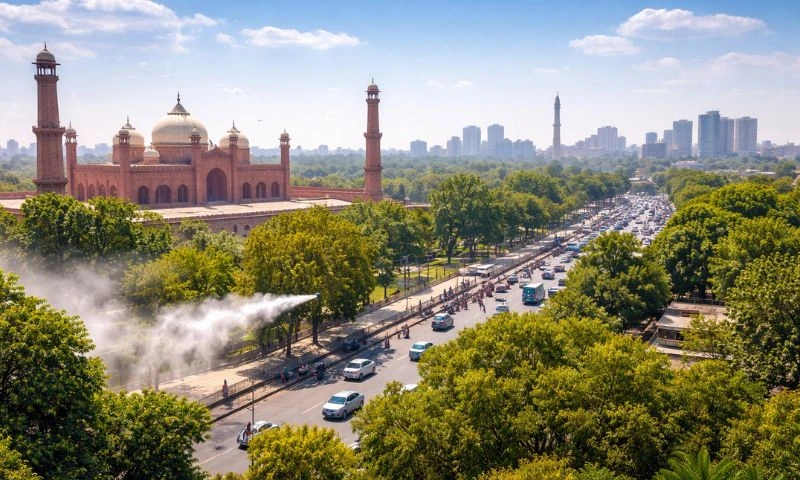
Anti-smog guns were used extensively, covering a 47,000-kilometre radius in Lahore to reduce airborne dust. Meanwhile, 67 water bowser units were deployed to prevent crop burning, a major seasonal contributor to smog.
More than 2,200 water recycling systems were also installed at industrial and construction sites to control emissions and dust.
These initiatives are part of a broader strategy to tackle both urban pollution and agricultural sources of smog.
Progress with Challenges Ahead
While the improvement marks a significant milestone, experts caution that Punjab still faces a long road to achieving safe air quality levels.
Previous data shows that pollution spikes have reduced, but baseline pollution remains high, often exceeding national and international safety standards.
Environmental specialists stress that sustained efforts, including stricter industrial regulation, cleaner transportation, and public awareness, are essential to maintain progress.
A Step Toward Cleaner Air
The EPA report offers a hopeful sign that coordinated action can deliver measurable results in the fight against air pollution.
For millions of residents, especially in urban centres like Lahore, the improvement provides not only environmental relief but also potential health benefits, as cleaner air reduces risks associated with respiratory and cardiovascular diseases.
If current policies and enforcement continue, Punjab could build on this progress and move closer to achieving cleaner, healthier air in the years ahead.