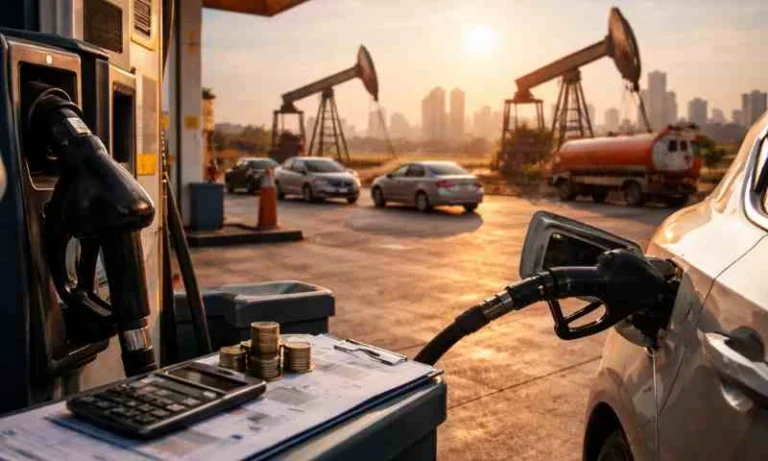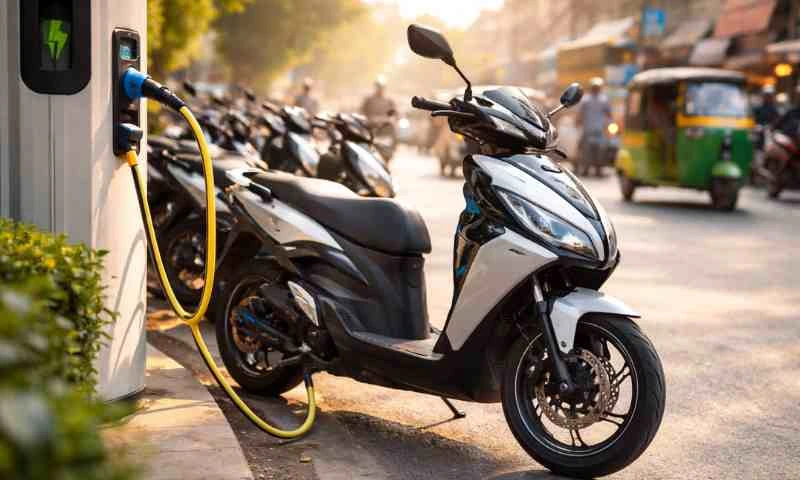
As petrol prices continue to climb across Pakistan, consumers are increasingly turning toward electric bikes as a cost-effective alternative for daily commuting. The shift reflects changing mobility trends, especially in urban areas where fuel expenses have become a major burden.
Petrol Prices Push Commuters Toward Alternatives
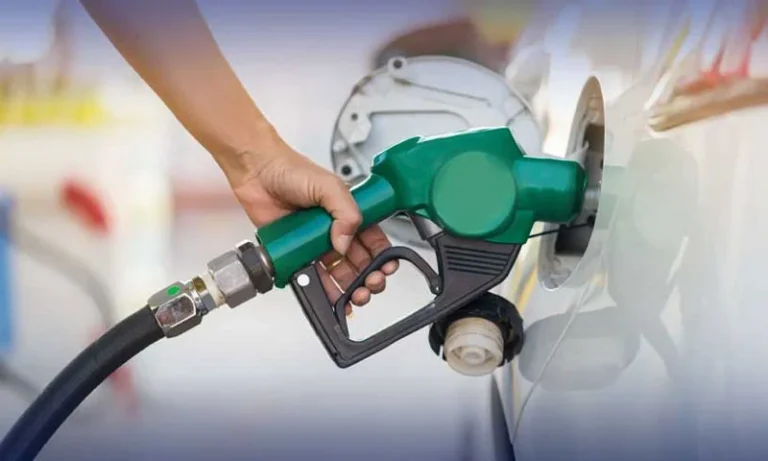
Pakistan has witnessed a steady rise in petrol prices in recent months, significantly increasing transportation costs for millions of citizens. This has directly impacted motorcycle users, who rely on fuel for everyday travel.
According to reports, this surge has triggered a noticeable rise in interest in electric bikes, with more people exploring options that can reduce their daily expenses. The growing demand is particularly visible among delivery riders, students, and office workers who are most affected by fuel price hikes.
Industry observers note that even a small increase in petrol prices can have a large impact on monthly budgets, making electric alternatives more appealing.
Electric Bikes Gain Momentum
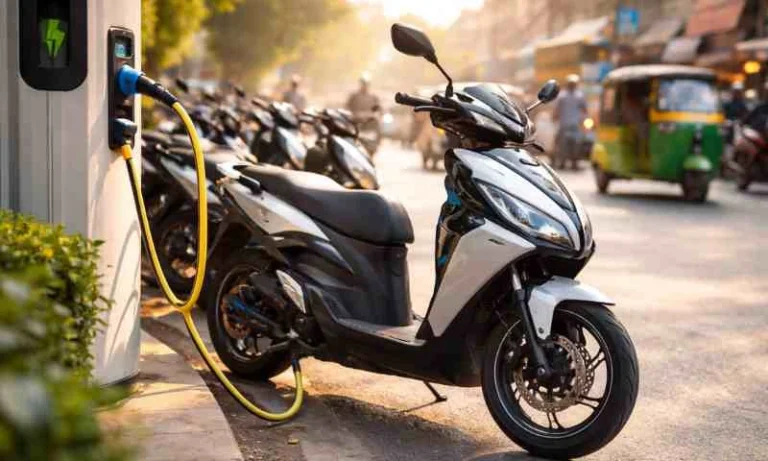
Electric bikes are emerging as a practical solution due to their lower running costs and minimal maintenance requirements. Unlike petrol bikes, they do not require frequent refuelling and can be charged at home, significantly cutting expenses.
Manufacturers and dealers have also reported increased inquiries and sales as consumers look for long-term savings. Some companies have even introduced new models and promotional offers to capitalize on the growing demand.
Experts say that while the initial cost of electric bikes may be higher, the savings on fuel and maintenance make them more economical over time.
Challenges Slowing Adoption
Despite the rising interest, several challenges continue to slow the widespread adoption of electric bikes in Pakistan. One major issue is the lack of charging infrastructure, especially outside major cities.
Additionally, concerns about battery life, performance, and resale value remain key factors for buyers. Many consumers are still hesitant to switch fully due to limited awareness and uncertainty about long-term reliability.
Experts also highlight that electricity supply issues in some areas could pose further challenges for electric vehicle adoption.
Government Policy and Future Outlook
Pakistan’s National Electric Vehicle Policy aims to increase the share of electric vehicles in the country, targeting 50 percent of two and three-wheelers to be electrified in the coming years.
With incentives, subsidies, and local manufacturing initiatives in place, the government is trying to accelerate the transition toward cleaner and more sustainable transport solutions.
Industry analysts believe that rising petrol prices will continue to act as a key driver for this shift. As awareness grows and technology improves, electric bikes are expected to become more accessible and widely adopted.
A Shift in Urban Mobility
The growing demand for electric bikes signals a broader transformation in Pakistan’s transportation landscape. As fuel costs rise and environmental concerns increase, more consumers are rethinking their mobility choices.
While challenges remain, the current trend suggests that electric bikes could play a crucial role in shaping the future of urban transport in Pakistan.