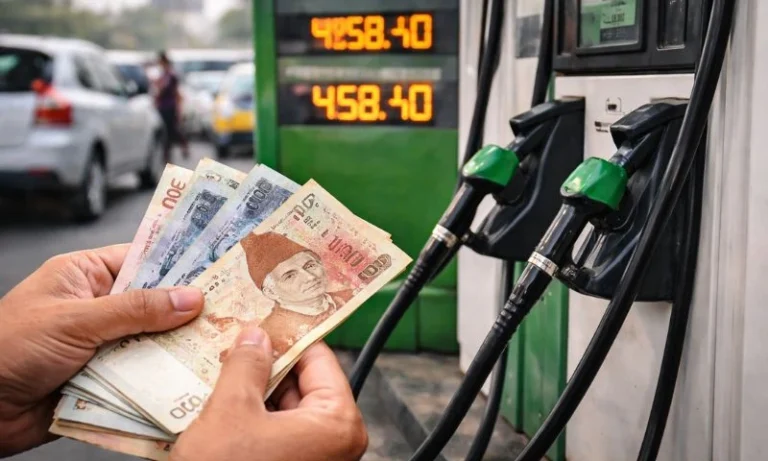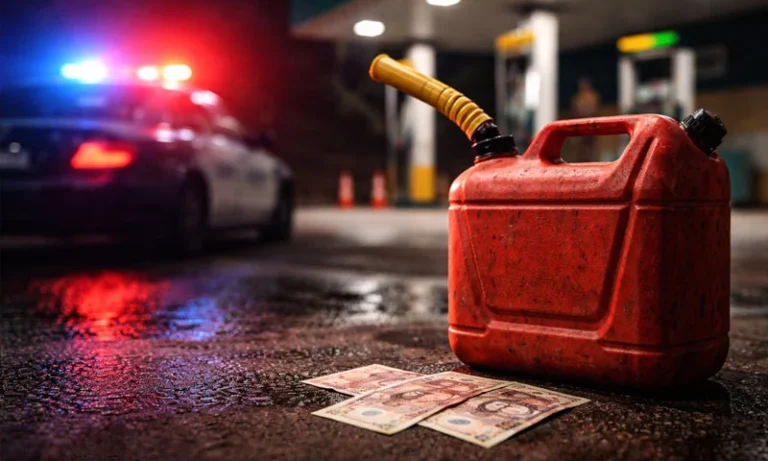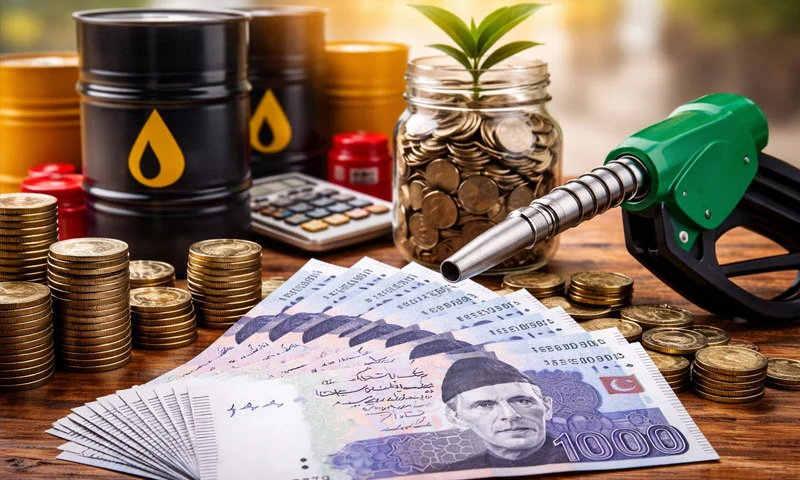
Pakistan’s petrol price currently stands at Rs378 per litre after the government announced a major reduction of Rs80 per litre in the petroleum levy. The revised rate came into effect on April 4, 2026, offering temporary relief to consumers following a sharp spike that had pushed prices above Rs458 per litre just a day earlier.
The earlier hike was driven by rising global oil prices amid geopolitical tensions, which significantly increased the cost of fuel imports and domestic pricing pressure.
Nearly Half the Price Was Taxes and Margins
Before the price cut, a detailed breakdown revealed that out of Rs458.41 per litre, around Rs211.26 was made up of taxes, duties, and profit margins. This accounted for nearly 46 percent of the total petrol price, highlighting the heavy burden of non-fuel costs on consumers.
The structure showed that a large portion of what motorists paid was not for the actual fuel itself but for government levies, transportation costs, and industry profits.
Key Components of Petrol Pricing
The pricing structure included multiple elements, starting with the ex-refinery price, which stood at Rs247.15 per litre. On top of that, the petroleum levy alone was Rs160.61, making it the largest single component before the reduction.
Additional costs included customs duty, climate support levy, inland freight charges, and profit margins for oil marketing companies and petrol pump dealers. These combined charges significantly increased the final price paid by consumers at the pump.
Impact of the Rs80 Reduction
Following the government’s decision to cut the petroleum levy by Rs80, the levy component dropped to around Rs80.61 per litre. This brought the total burden of taxes, duties, freight, and margins down to approximately Rs131.26 per litre.
Despite this reduction, these additional charges still make up nearly 35 percent of the current Rs378 petrol price, meaning a significant portion of the cost is still not tied to the base fuel price.
Relief for Consumers but Structural Issues Remain
While the price cut has provided short-term relief, the underlying structure of fuel pricing in Pakistan remains largely unchanged. Consumers are still paying over Rs80 per litre as petroleum levy alone, with total non-fuel charges exceeding Rs130 per litre.
Experts note that this reflects the government’s reliance on petroleum levies as a key source of revenue, especially during periods of economic stress.
Diesel Prices Remain Unchanged
Unlike petrol, the price of high-speed diesel has not been reduced and remains at Rs520.35 per litre. Although diesel does not carry a petroleum levy, consumers still pay around Rs59 per litre in taxes and margins, including customs duty, freight charges, and dealer commissions.
This means diesel users continue to face high costs despite the absence of a major levy component.
Bigger Picture: Why Petrol Remains Expensive
The latest revision highlights how central taxes and levies have become in determining fuel prices in Pakistan. Even after a significant reduction, petrol prices continue to carry a heavy tax component, reflecting broader fiscal challenges and dependence on fuel-related revenue streams.
With global oil markets remaining volatile, analysts warn that any future increase in crude prices could again push local fuel prices upward, unless structural changes are introduced in the pricing mechanism.