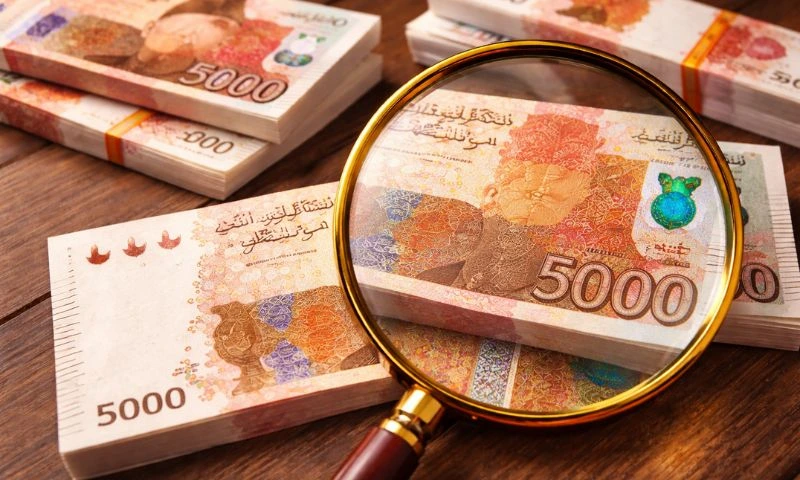
Reports circulating on social media and in some corners of the market recently sparked anxiety about the future of Pakistan’s highest-value banknote, the Rs 5,000 note. But the State Bank of Pakistan (SBP) moved quickly to put those rumours to rest, clarifying that there is no plan to discontinue the denomination.
At a recent session of the parliamentary finance committee, SBP Governor Jameel Ahmad said the central bank has not proposed removing the Rs 5,000 note from circulation. He explained that any such plan would have wide-ranging effects on market liquidity and everyday transactions across the country.
“Reports circulating on social media claiming that the Rs5,000 note is being discontinued are fake,” Governor Ahmad told lawmakers, urging people to rely only on official SBP information.
The denial comes amid broader discussions about modernising Pakistan’s cash system. The SBP has reportedly finalised new designs for all banknotes from Rs 10 to Rs 5,000 and forwarded them to the federal government for approval. These redesigned notes would include enhanced security features to make them harder to counterfeit and easier to authenticate.
In addition to updated paper banknotes, the SBP is said to be exploring the introduction of polymer (plastic) currency notes on a trial basis. Polymer notes are more durable and include advanced security features like see-through windows and holograms, used in many advanced economies.
Importantly, though, no official programme has been authorised yet for polymer notes, and the Rs 5,000 note will remain legal tender even after any redesign. According to SBP documentation, denominations including the Rs 5,000 note are currently recognized as valid currency under Section 25 of the SBP Act and will continue to be so unless a formal policy move tells otherwise.
This isn’t the first time the fate of the Rs 5,000 note has come under scrutiny. In the past, some politicians and activists have called for the note’s removal arguing that high-value cash can facilitate tax evasion or corruption. But the SBP consistently rejected these proposals, noting that any change must be carefully studied and cannot be undertaken lightly.
Economists argue that sudden demonetisation can disrupt economic activity if not handled properly. For example, earlier cases in other countries showed that withdrawing high-value currency without adequate planning can lead to cash shortages and uncertainty.
For now, Pakistan’s largest banknote remains safe in wallets and registers across the nation just as it has been since its introduction in 2006 and will continue to be accepted for all transactions.