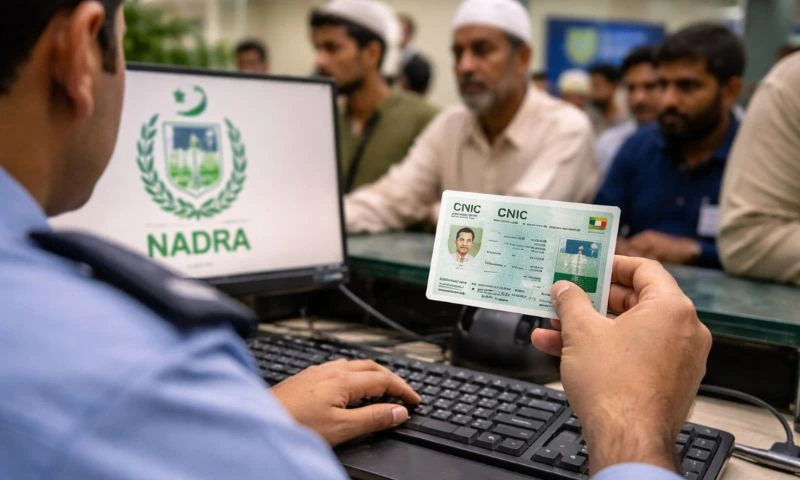
Pakistan’s Senate Standing Committee on Interior has approved a key amendment bill that would grant the National Database and Registration Authority expanded powers, including the authority to block Computerised National Identity Cards (CNICs), triggering debate over citizens’ rights and state oversight.
The National Database and Registration Authority (Amendment) Bill, 2026 was passed after detailed deliberations, with officials briefing lawmakers on the need to strengthen identity verification and curb fraud within Pakistan’s digital identity system.
Expanded Powers for NADRA
Under the proposed amendments, NADRA would be able to block or deactivate CNICs in specific cases, particularly where identity documents are suspected to be fraudulent, illegally obtained, or linked to security concerns. Currently, NADRA maintains the national database but does not independently hold such sweeping authority over active CNICs.
Officials told the committee that the move aims to close loopholes in the system and improve national security safeguards. The bill is part of broader reforms to modernise Pakistan’s identity management system, including stronger verification mechanisms and digital upgrades.
Pakistan’s CNIC is a critical document used for nearly all aspects of daily life, including banking, voting, travel, and access to public services. This central role has made any changes to its status highly sensitive.
Legal and Constitutional Concerns
The proposed powers come against the backdrop of a recent ruling by the Supreme Court of Pakistan, which declared CNIC blocking unconstitutional in certain contexts. The court emphasized that a CNIC is “a basic necessity, not a luxury,” warning against arbitrary deprivation of such a fundamental document.
Legal experts have raised concerns that granting NADRA independent authority to block CNICs could conflict with constitutional protections unless clear safeguards, oversight mechanisms, and due process are ensured.
Push for Stronger Identity Controls
The government has defended the move as necessary to combat identity fraud, illegal registrations, and misuse of national identity documents. NADRA has already introduced reforms such as QR-based verification and enhanced authentication systems to strengthen the integrity of identity records.
Officials argue that empowering NADRA to act directly in suspicious cases will help prevent criminal exploitation of identity systems and improve overall governance.
What Happens Next
The bill will now move forward in the legislative process before becoming law. If passed, it could significantly reshape how identity verification and enforcement are handled in Pakistan.
However, the debate is likely to intensify, with civil rights advocates calling for strict checks to ensure that citizens are not unfairly deprived of access to essential services tied to their CNIC.