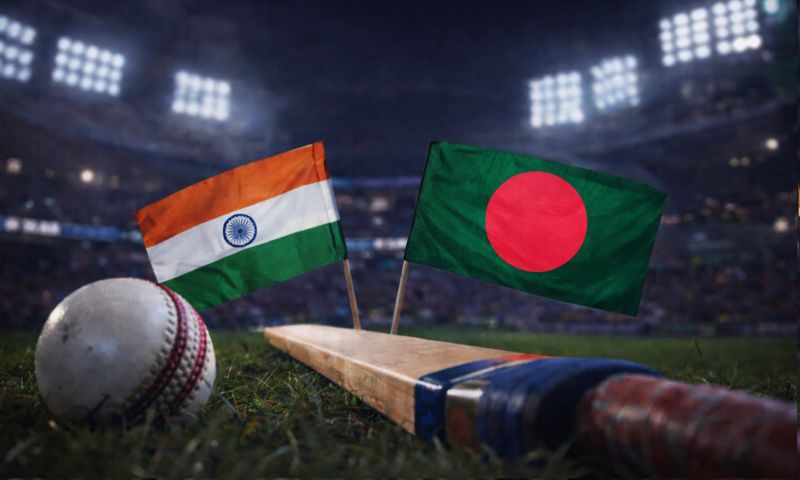
Tension has risen in the world of cricket as the International Cricket Council (ICC) prepares to send a high-level delegation to Bangladesh to resolve a growing dispute over the national team’s participation in the ICC Men’s T20 World Cup 2026. The tournament, co-hosted by India and Sri Lanka from February 7 to March 8, 2026, is now clouded by uncertainty as the Bangladesh Cricket Board (BCB) refuses to send its squad to play matches scheduled in India.
Bangladesh is scheduled to play four group matches in India — including three in Kolkata and one in Mumbai — as per the official World Cup schedule. However, the BCB has firmly rejected calls to travel to India, citing security and safety concerns for players and officials. In a recent video meeting with the ICC, the board “reaffirmed its position regarding the decision not to travel to India,” and reiterated a request that their matches be moved to neutral venues or Sri Lanka instead.
The decision to refuse travel to India stems, in part, from political tensions that have affected cricketing relations between the two nations. The row escalated after Bangladesh fast bowler Mustafizur Rahman was released from his Indian Premier League (IPL) team, a move linked to diplomatic pressure following unrest in Bangladesh. This development led the BCB to formally request the ICC to shift its World Cup fixtures out of India.
The ICC has so far maintained the existing tournament itinerary, telling the BCB that the schedule has already been announced and urging the board to reconsider its stance to ensure Bangladesh’s involvement. Without a compromise, Bangladesh risks forfeiting points or standing aside from matches they are scheduled to play.
Now, an ICC delegation is likely to meet both BCB leadership and officials from the Bangladesh Sports Ministry in Dhaka to explore a resolution that would allow the Bangladesh team to participate without jeopardising their concerns. This face-to-face dialogue shows how seriously the global cricket body is taking the situation, attempting to balance safety worries with tournament continuity.
The dispute highlights how sport and politics can intersect. Fans and analysts worry that if a solution isn’t found before the World Cup begins, it could lead to a major diplomatic and sporting standoff within the cricketing world. Cricket nations generally view the World Cup as a celebration of the sport, but this crisis underlines the complexities of hosting major events in politically sensitive settings.
As talks continue, cricket lovers worldwide will watch closely. Whether a compromise can be reached before Bangladesh’s first scheduled match remains unclear. But the ICC’s upcoming visit signals that efforts are underway to find common ground so that the T20 World Cup can proceed with all qualified teams on the field.