Ramadan 2026 is not only a time for spiritual reflection and fasting but also an opportunity for many to focus on health, fitness and wellbeing. As millions of Muslims fast from dawn until sunset, experts say tracking key health metrics can help people stay safe and make the most of their energy levels. A host of health and fitness mobile apps are emerging as useful tools to monitor calories, sleep, workouts and hydration during the holy month.
According to reports, Ramadan comes with changes in meal patterns, activity schedules and sleep routines. Nutritionists caution that fasting can affect metabolism, making it important for individuals to be mindful of what they eat during Suhoor and Iftar. Keeping track of calorie intake, water consumption and physical exertion can help maintain balanced energy levels throughout the month.
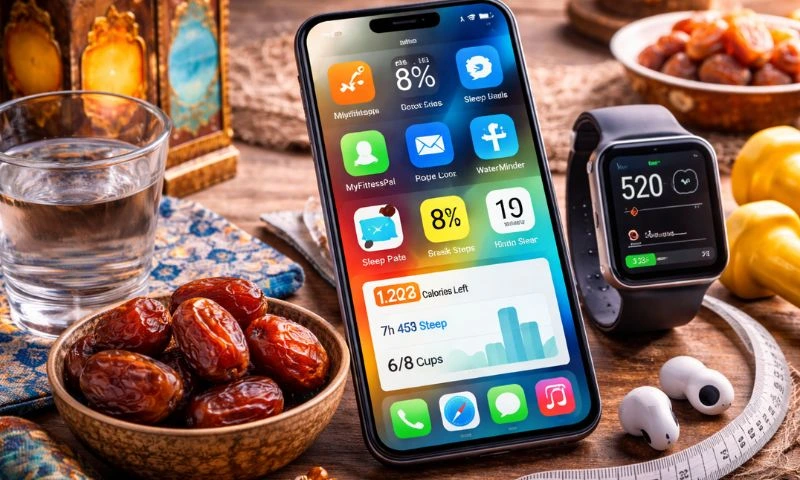
One widely recommended app is MyFitnessPal, which helps users log daily food intake and calculate calories with a comprehensive food database. Users can also set personalized goals for weight management or healthy eating, helping them make smarter choices during Ramadan feasts and social gatherings. Another popular choice is Lose It!, which offers intuitive food tracking and custom meal planning features.
Sleep experts often point to disrupted rest patterns during Ramadan, as late night prayers and early wake-ups are part of the routine. Apps such as Sleep Cycle use motion and sound data to analyse sleep quality, helping users understand their rest patterns and adjust habits to maximise recovery. Better sleep can improve mood, focus and performance during long fasting hours.
For those who want to stay active, Nike Training Club and Seven – 7 Minute Workout provide guided exercise routines that can be performed at home or outdoors. These apps offer workouts ranging from low-impact flexibility sessions to strength training that can be adapted around fasting hours. Trainers advise light to moderate workouts, especially before Suhoor or after Iftar, to prevent dehydration and strain.
Hydration plays a key role in wellbeing during Ramadan. WaterMinder reminds users to track their water intake and set daily hydration goals. Although Muslims refrain from drinking water during daylight hours, staying hydrated during non-fasting times helps maintain healthy bodily functions.
Health care professionals also recommend tracking heart rate and activity with apps linked to wearables such as Apple Health or Google Fit, which aggregate data from multiple sources. These platforms can show trends over time, motivating people to maintain overall activity and fitness levels throughout Ramadan.
By integrating technology with fasting routines, people can better understand their bodies and optimise health during Ramadan 2026. As digital wellness tools evolve, they offer practical support to stay balanced, energized and mindful throughout the holy month.