Social media is not shrinking. It is evolving. More than 5.2 billion people now use social platforms globally, representing over 60% of the world’s population. Yet beneath that scale, a deeper shift is underway. The way people use social media today looks very different from even a few years ago.
Time Spent Online Is Changing Not Declining
The first major shift is how people spend time online. Globally, users still average about 2 hours and 20 minutes per day on social media. But this time is no longer evenly distributed.
Younger users now dominate engagement. Gen Z, in particular, spends significantly more time online, with some estimates suggesting up to five hours daily. Older users, by contrast, are becoming more selective.
This shift is reshaping content strategies. Platforms now prioritize fast, engaging formats that capture attention instantly, especially for younger audiences.
Platform Fragmentation Is Reshaping the Landscape
Social media is no longer controlled by a few dominant apps. Instead, audiences are spreading across multiple platforms.
According to Pew Research Center, platforms like YouTube and Facebook still have mass reach, but TikTok, Reddit, and WhatsApp are growing steadily.
Recent data shows:
- TikTok usage up by around 21%
- WhatsApp up by 23%
- Reddit up by 18%
This fragmentation means users no longer rely on a single platform. Instead, they move between apps depending on content, mood, and purpose.
Video Content Has Become the Default Format
Another major change is the dominance of video. Short-form video has become the core of social media consumption.
Platforms are no longer just social networks. They are now content discovery engines powered by algorithms.
Users no longer rely on who they follow. Instead, they consume what algorithms recommend. This shift has reduced the importance of follower counts and increased the importance of content quality and engagement.
From Posting to Passive Consumption
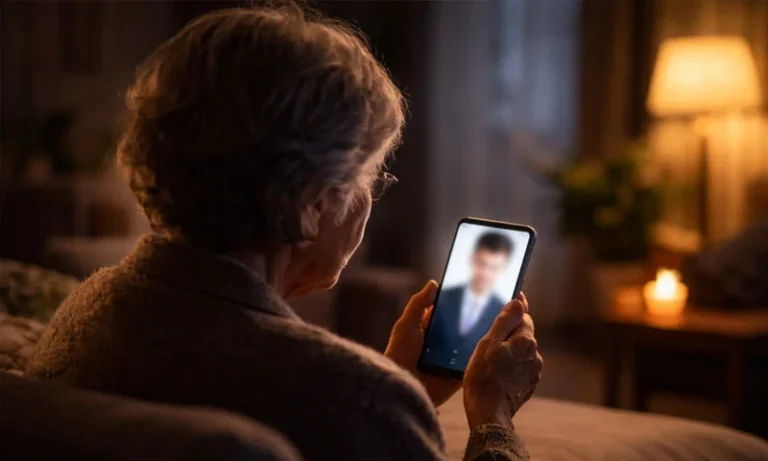
A noticeable behavioral shift is the rise of passive usage. People scroll and watch more, but post less.
Public posting feels more performative today. Many users prefer to avoid the pressure of likes, comments, and visibility.
As a result, activity is moving into private spaces:
- Direct messages (DMs)
- WhatsApp groups
- Close friends lists
These spaces feel more personal and less exposed.
Social Media Is Becoming a News Source
Social platforms are no longer just for entertainment. They are now a major source of information.
According to Pew Research Center, 53% of U.S. adults say they get news from social media at least sometimes.
This shift gives platforms more influence than ever. They now shape how people understand events, trends, and public debates.
Signs of Fatigue Are Emerging
Despite high usage, there are early signs of change. Average time spent has slightly declined since its peak in 2022, especially among younger users.
More people are:
- Limiting screen time
- Taking breaks from apps
- Choosing fewer platforms
This suggests a move toward more intentional usage rather than constant scrolling.
A New Era of Social Media
The reset is clear. Social media is no longer just about posting updates or building followers.
It is now about:
- Watching and discovering content
- Sharing privately
- Navigating multiple platforms
- Consuming information quickly
The platforms that succeed will adapt to this reality. Attention is fragmented. Users are more selective. Content must work instantly.