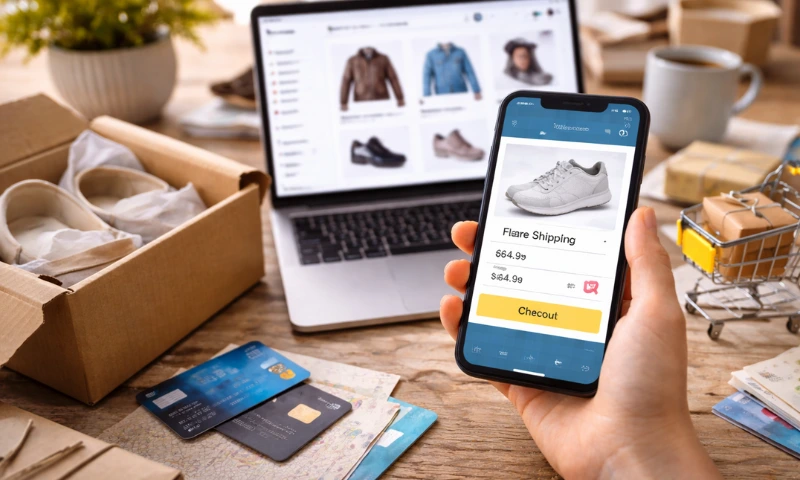
Online shopping is still growing, but the rules are changing. Shoppers now care less about flashy personalization and more about basics that remove friction: clear pricing, fast delivery, easy returns, and checkout that works on mobile.
First, consumers want price transparency. Research on checkout behavior shows why. Baymard’s latest cart-and-checkout findings (compiled from multiple studies) report that 39% of shoppers abandon a purchase because extra costs like shipping, tax, or fees feel too high, and 14% leave because they can’t see the total order cost upfront. That’s a warning to retailers: hidden costs don’t just annoy people—they kill conversions.
Second, shoppers want delivery and returns to feel “free” and predictable. In a 2025 survey analysis, McKinsey says more than 95% of respondents prefer free shipping with standard delivery over paying for faster shipping. That preference shows up in market reporting too. A January 2026 Reuters report on Latin America’s e-commerce boom found growth is tied to demand for fast, reliable delivery and transparent pricing, and that nearly half of consumers may abandon a platform after a negative experience—especially around delivery and returns.
Third, consumers want less effort at checkout. Baymard reports a global average cart abandonment rate of about 70%. And many reasons are fixable: 19% don’t trust a site with card details, 19% get blocked by forced account creation, and 18% find checkout too long or complicated. In other words, shoppers now expect trust signals, guest checkout, and fewer steps—especially on phones.
And that leads to the next shift: mobile-first shopping is the default. In the same Reuters report, 84% of transactions in the surveyed Latin American market happened on smartphones. Retailers that design for desktop first are falling behind.
Finally, people increasingly want shopping to happen where they already spend time: social apps. eMarketer estimates US social commerce sales will reach $87.02 billion in 2025 (+21.5% year over year) and grow past $100 billion in 2026. Social commerce is still a slice of total e-commerce, but it’s rising steadily.
Zoom out and the story becomes clear. Online shopping has matured. Consumers aren’t chasing novelty. They want value, speed, simplicity, and certainty—and they switch brands quickly when those needs aren’t met.