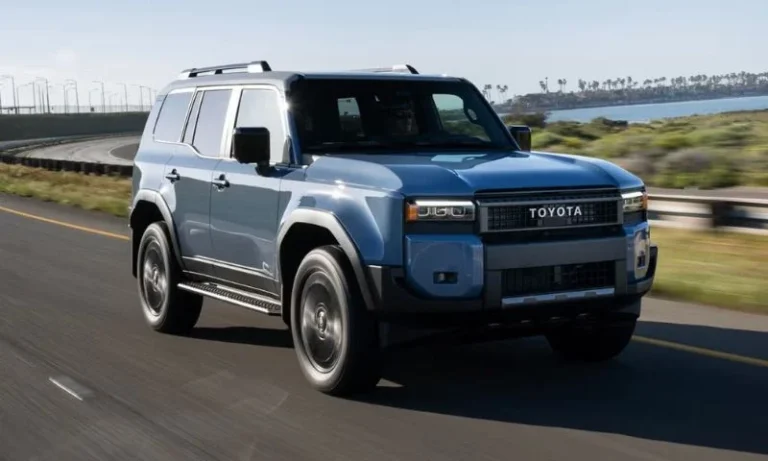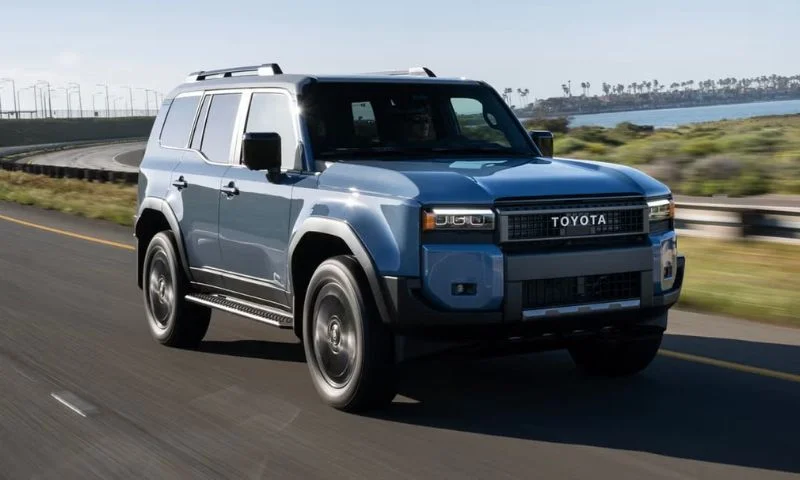
Buying a Toyota vehicle in Pakistan is set to become more expensive as Indus Motor Company (IMC) has revised freight charges nationwide, with a strict April 17, 2026 deadline for customers to avoid the increase.
The adjustment, driven by a sharp surge in fuel prices, will not affect ex-factory prices but will significantly raise the final on-road cost for buyers, particularly those located far from Karachi.
Fuel surge drives freight hike
IMC has linked the increase directly to rising diesel prices, which have climbed to around PKR 520 per litre, sharply increasing transportation costs for vehicle delivery.
Since Toyota vehicles assembled in Pakistan are transported from Karachi to dealerships nationwide, higher fuel costs have pushed logistics expenses up by more than 50 percent in recent months.
Industry observers note that while base vehicle prices remain unchanged, freight is a critical component of the final invoice. As a result, customers will feel the impact at delivery, where total costs will vary depending on location.
The increase applies across all Toyota models, including popular options such as the Corolla, Yaris and Fortuner.
April 17 deadline offers temporary relief
Toyota has provided a limited window for buyers to secure existing freight rates. Customers who complete full payment and achieve “Good to Go” status in the company’s system before April 17 can avoid the revised charges.
“The deal: Current ex-factory prices and old freight rates will apply,” the company noted, provided full payment is made within the deadline.
After the cutoff date, all new bookings and pending orders will be processed under the updated freight structure, leading to higher overall costs.
The increase varies by region. Buyers in Karachi and southern cities will see relatively smaller increases, while those in central and northern areas will face significantly higher charges due to longer delivery routes.
In some cases, the additional cost could reach up to PKR 296,000 depending on the vehicle model and location.
Wider impact on Pakistan’s auto market
The development reflects broader pressures on Pakistan’s automobile sector, where inflation, currency fluctuations and rising fuel costs continue to reshape pricing dynamics.
Experts warn that the freight adjustment could particularly affect middle-income buyers, as entry-level models like the Toyota Yaris and Corolla are widely purchased by families and first-time buyers.
Analysts also expect other automakers to review their pricing strategies if fuel costs remain elevated, as logistics expenses are a shared burden across the industry.
Pakistan’s auto market has already seen consistent price increases over recent years, and the latest freight revision adds another layer of cost for consumers.
Dealers are advising customers to act quickly if they intend to purchase a vehicle, as bookings ahead of the deadline could result in significant savings.
While the freight hike may be a direct response to rising operational costs, it also highlights a deeper structural issue. The final price of a car in Pakistan is increasingly influenced not just by manufacturing costs, but by the broader economic environment, particularly fuel and logistics.
As demand remains sensitive to price changes, the coming weeks will test whether buyers accelerate purchases or delay decisions in response to the latest increase.