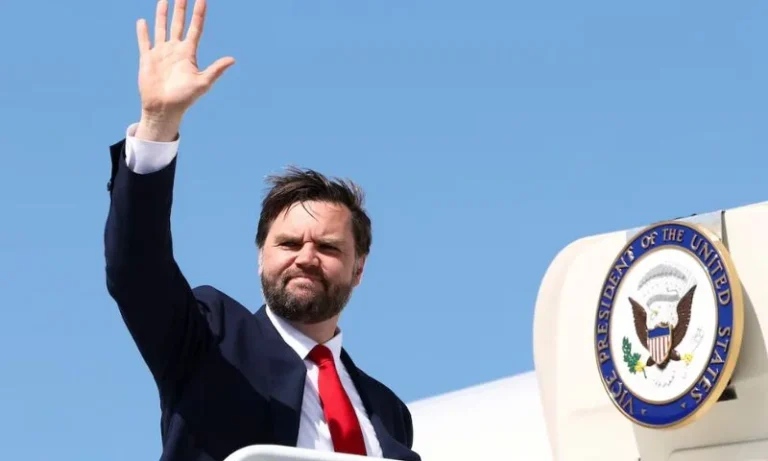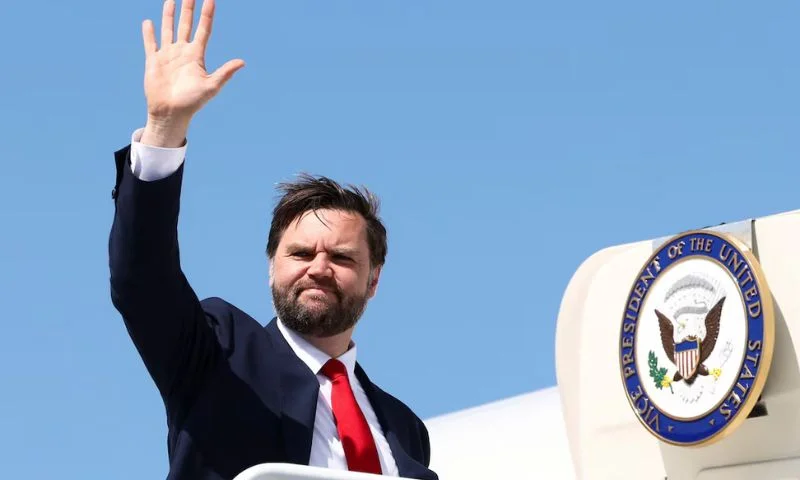
U.S. Vice President JD Vance has been tasked by Donald Trump to lead critical negotiations with Iran, marking one of the most significant diplomatic assignments of his political career as Washington seeks to turn a fragile ceasefire into a lasting agreement.
According to reports, Vance is heading to Islamabad this week with a clear mandate from Trump to salvage the uneasy truce and push both sides toward a broader deal. The move comes after weeks of intense conflict that raised fears of a wider regional war and disrupted global energy markets.
“This is high risk, high reward,” said Aaron Wolf Mannes, a lecturer at the University of Maryland, highlighting the unusual nature of the assignment and the stakes involved.
A defining moment for Vance
For the 41-year-old vice president, the talks represent a defining test of leadership. Vance had previously maintained a relatively low profile during the conflict and had even cautioned against military escalation in private discussions, warning it could trigger broader regional instability.
Now, he finds himself at the center of U.S. diplomacy, effectively acting as Washington’s chief negotiator in one of the most volatile crises in recent years.
“My key role was, I sat on the phone a lot,” Vance told reporters recently. “I answered a lot of phone calls. I made a lot of phone calls. And again, I’m happy about where we are.”
The talks, scheduled to take place in Islamabad, are expected to include senior U.S. officials such as envoy Steve Witkoff and adviser Jared Kushner, reflecting the importance Washington attaches to the negotiations.
Fragile ceasefire, uncertain outcome
The negotiations follow a two-week ceasefire mediated by Pakistan, which both sides have described as a temporary pause rather than a permanent solution. Vance himself has called the agreement a “fragile truce,” underlining the uncertainty surrounding the process.
Key sticking points remain unresolved, including Iran’s nuclear program, sanctions relief, and security concerns around the Strait of Hormuz, a vital route for global oil supplies.
Despite the diplomatic push, tensions continue to simmer across the region. Military actions, including recent U.S. strikes and ongoing hostilities involving regional actors, have complicated efforts to build trust between Washington and Tehran.
Pakistan, meanwhile, has emerged as a central mediator, hosting the talks and facilitating backchannel communication between the two sides. Analysts say Islamabad’s role reflects a growing diplomatic footprint, though its ability to guarantee outcomes remains limited.
As delegations prepare to meet, expectations remain cautious. The outcome of the Islamabad talks could determine whether the current ceasefire evolves into a broader agreement or collapses under the weight of unresolved disputes.