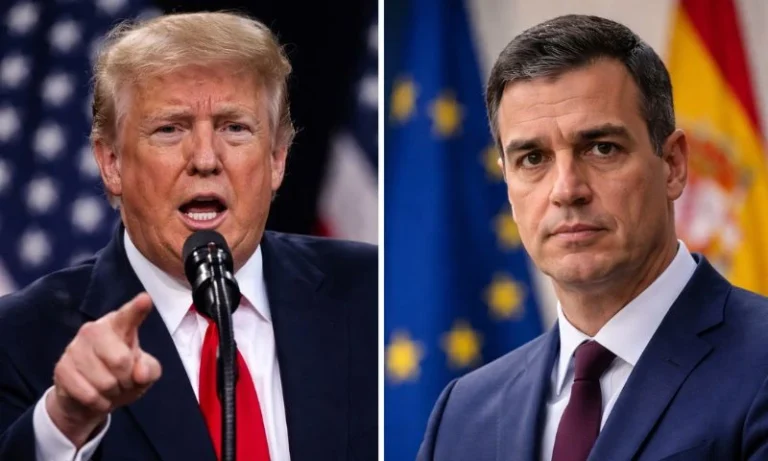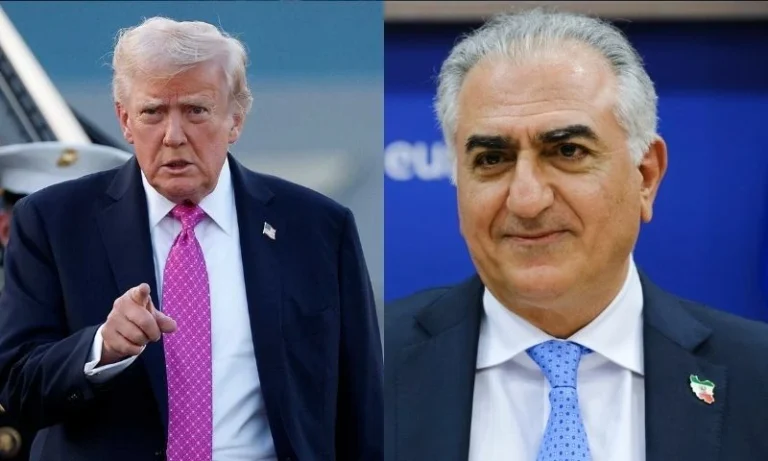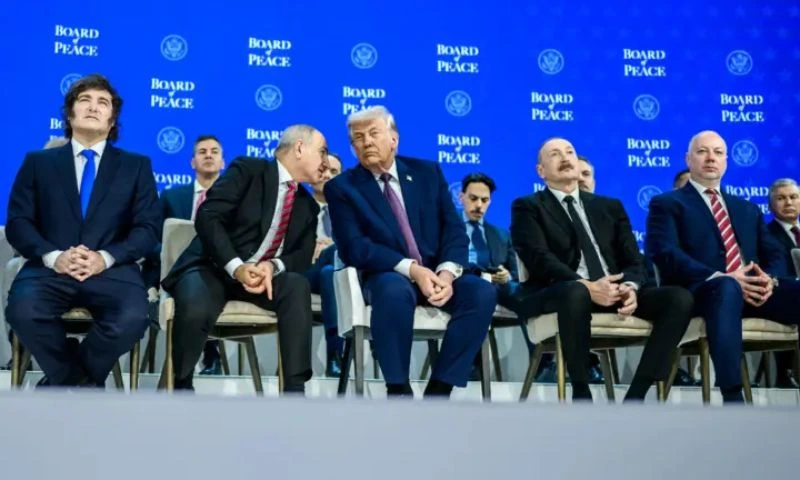
U.S. President Donald Trump presided over the inaugural meeting of the Board of Peace in Washington, D.C., on Thursday, bringing together leaders and senior officials from more than 40 countries to discuss Gaza’s future and the complex task of rebuilding the war-torn Palestinian territory. The event, held at the U.S. Institute of Peace, was marked by big funding pledges alongside unresolved political and security questions about Gaza’s stability and Hamas’s disarmament.
Major Funding and Commitments
Trump announced significant financial support during the session. He said that the United States would contribute $10 billion to the Board of Peace, and participating nations had pledged an additional $7 billion for Gaza reconstruction and humanitarian relief. Some donors included Kazakhstan, Azerbaijan, UAE, Morocco, Bahrain, Qatar, Saudi Arabia, Uzbekistan and Kuwait.
The funds are aimed at addressing the immense humanitarian and infrastructure needs in Gaza following more than two years of conflict that devastated homes, schools and basic services. The rebuilding effort is expected to cost tens of billions of dollars, with international institutions previously estimating as much as $70 billion will be needed.
Trump also highlighted plans for an International Stabilization Force and broader security commitments. Several countries pledged personnel for this mission, which would work to maintain order while reconstruction gets under way.
Read More: Gaza After the War: Trump Assembles US-Led Board, Appoints Blair and Military Chief
Political Challenges and Criticism
Despite high-profile backing, many major Western nations chose not to participate formally in the board, signaling skepticism about its mandate and independence. Some countries, including European states, declined to join as members, citing concerns that the Board of Peace could undermine the United Nations’ role in resolving conflicts.
Trump addressed these concerns directly, saying the United States would continue to work with the United Nations and help make it “stronger and more viable.” He stated, “I think the United Nations has great potential, really great potential. It has not lived up to that potential.”
Critics warn that the Board’s structure places broad authority in the hands of its chairman, Trump, and that Palestinian interests—especially those of Hamas and Gaza’s civilians—are limited in representation. The Board currently includes Israel but lacks official Palestinian participation, a point of contention raised by analysts and international observers.
Read More: Netanyahu Meets Trump in Florida as Gaza Ceasefire and Iran Tensions Take Center Stage
Statements from the Ground
While global leaders deliberated in Washington, Hamas and local groups in Gaza have urged the Board to focus on stopping violence and reopening humanitarian access. Hamas calls for lifting the siege on Gaza and enabling full reconstruction and relief efforts to begin without restrictions.
Other unresolved issues include Hamas’s disarmament, the withdrawal of Israeli troops from Gaza, and the organization and distribution of aid. These factors remain major obstacles in achieving lasting peace and establishing a stable governing framework for Gaza’s future.
A Pivotal Moment
The Board of Peace represents a new diplomatic attempt to manage post-war recovery and stabilize a region long marred by conflict. Whether this initiative will succeed in forging consensus among diverse stakeholders remains to be seen. For Palestinians and the region at large, the outcomes of this first meeting could shape the next phase of Gaza’s recovery and future security.