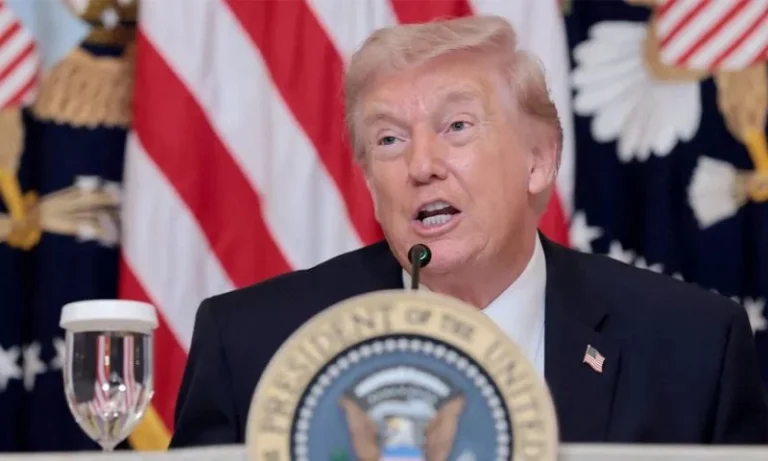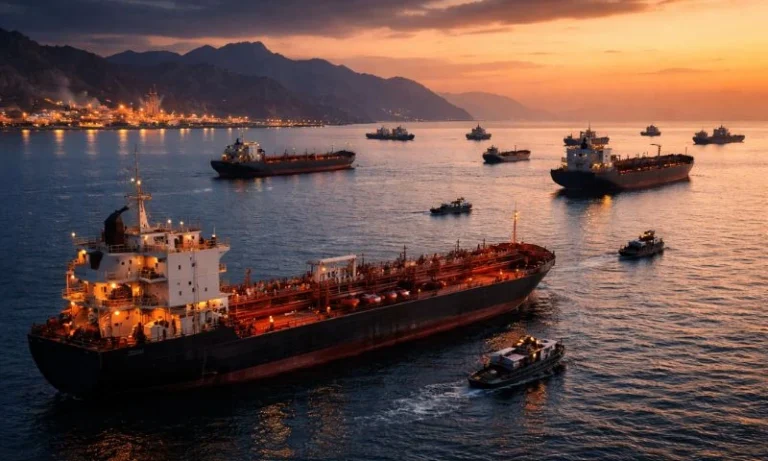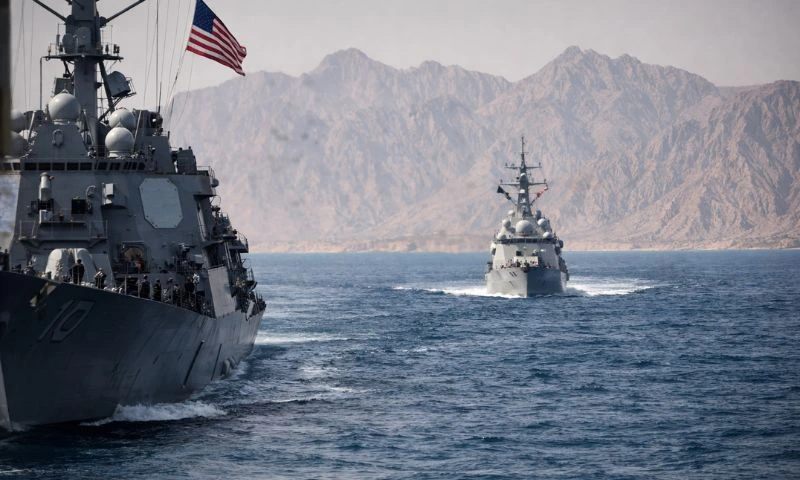
US President Donald Trump has called on multiple countries to deploy naval forces to secure the Strait of Hormuz, as tensions in the Middle East continue to escalate. However, key allies have so far stopped short of committing military support, exposing divisions over how to respond to the crisis.
Speaking to reporters, Trump said he had reached out to “about seven” countries to help safeguard the critical shipping route, which carries nearly 20 percent of the world’s traded oil.
He made his position clear, stating: “I’m demanding that these countries come in and protect their own territory.”
NATO warning raises stakes
Trump also issued a strong warning to allies, particularly within NATO, suggesting that failure to respond could have long-term consequences for the alliance.
He said: “If there’s no response or if it’s a negative response I think it will be very bad for the future of NATO.”
The remarks underline Washington’s growing frustration as it seeks greater burden-sharing from partners in managing the escalating Iran conflict.
Allies hesitate despite US pressure
Despite the urgency from Washington, several countries have reacted cautiously and avoided firm commitments.
The United Kingdom acknowledged discussions with the US but has not agreed to send warships. Officials indicated that London is reviewing the situation carefully before taking any action.
France has also refrained from making a military commitment, emphasizing the need for diplomatic efforts and de-escalation rather than immediate naval deployment.
China, which is heavily dependent on oil shipments through the strait, called for stability and urged all sides to avoid further escalation. Beijing stopped short of offering any direct security role.
South Korea has also taken a cautious stance. While it relies on Middle Eastern energy supplies, Seoul has said it is monitoring the situation closely and has not confirmed any military involvement.
These responses reflect a broader concern among global powers about being drawn into a widening regional conflict.
Iran signals control over access
On the other side, Iran has maintained that control of the Strait of Hormuz remains firmly in its hands.
Foreign Minister Abbas Araghchi said that decisions regarding access to the waterway are a military matter. He stated: “this is up to our military to decide.”
He also confirmed that several countries had approached Iran seeking assurances for safe passage.
However, Iran has taken a hard line against Washington. Araghchi said: “we don’t see any reason why we should talk with Americans.”
Oil markets react to uncertainty
The rising tensions have already shaken global energy markets.
Oil prices surged sharply, with West Texas Intermediate crossing $100 per barrel and Brent crude rising above $106, reflecting fears that any disruption in the strait could choke global supply.
Energy analysts warn that even a partial disruption could trigger a global economic shock, as major economies depend heavily on oil flowing through the route.
Global risk grows as uncertainty continues
The lack of coordinated action among allies highlights the complexity of the situation.
While the US is pushing for a collective security response, other nations appear reluctant to commit military resources without a clear strategy or international consensus.
With tensions continuing to rise and no unified response in sight, the Strait of Hormuz remains at the center of a high-stakes geopolitical standoff that could reshape global energy and security dynamics.