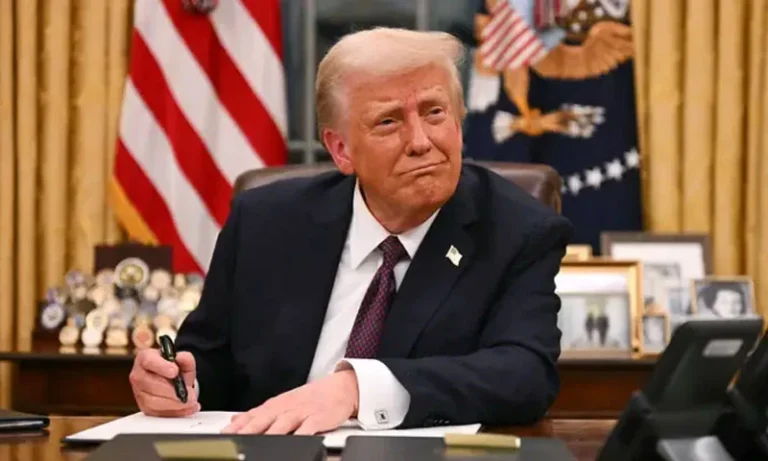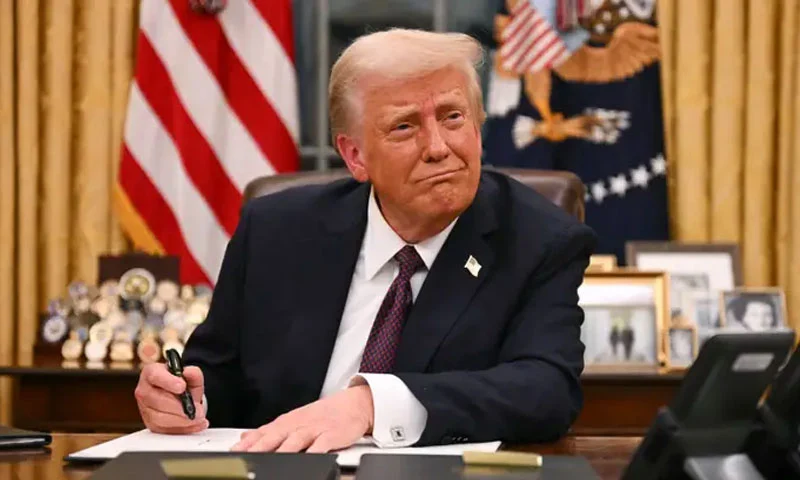
US President Donald Trump has said Washington will “work closely” with Iran following a fragile ceasefire brokered by Pakistan, signalling a potential shift from military confrontation to cautious diplomacy after weeks of conflict.
The remarks came after the United States and Iran agreed to a two-week ceasefire, a deal facilitated through Islamabad’s backchannel efforts at a critical moment when both sides were on the brink of further escalation. The truce, announced just hours before a US-imposed deadline for potential strikes, has temporarily halted hostilities while opening space for negotiations.
In a post on Truth Social, Trump said, “The United States will work closely with Iran,” adding that the country had gone through what he described as a “very productive Regime Change!” He also indicated that discussions were underway on tariffs and sanctions relief, noting that “many of the 15 points have already been agreed to.”
Shift from confrontation to cautious engagement
The ceasefire marks a significant turning point in a conflict that has rattled global markets and heightened fears of a broader regional war. Trump had earlier threatened extensive strikes on Iranian infrastructure if Tehran failed to meet his demands, including reopening the Strait of Hormuz, a critical global oil route.
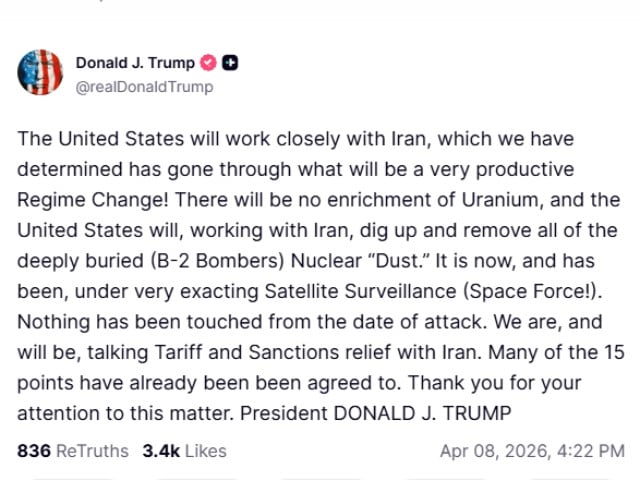
However, the last-minute agreement has paused those plans, with both sides now exploring diplomatic options. Trump also warned that any country supplying weapons to Iran would face steep tariffs, saying such nations would be “immediately tariffed… 50%.”
Despite the conciliatory tone, major disagreements remain unresolved. Washington continues to push for limits on Iran’s nuclear programme, with Trump reiterating that “there will be no enrichment of Uranium,” while Iran has historically resisted such demands.
Analysts say the current phase reflects a tactical pause rather than a full resolution. Both countries retain military readiness, and the ceasefire is tied to specific conditions, including maintaining safe passage through the Strait of Hormuz, which is vital for global energy supplies.
Pakistan’s role draws global attention
Pakistan’s mediation has emerged as a central element in the ceasefire process. Officials in both Washington and Tehran have acknowledged Islamabad’s role in facilitating communication and preventing further escalation.
The truce followed a series of diplomatic efforts led by Pakistan, including proposals for a phased ceasefire and appeals to extend deadlines to allow negotiations to take shape. The agreement is now expected to lead to formal talks in Islamabad, where both sides will attempt to build on the temporary pause and address deeper issues.
Global reactions have largely welcomed the ceasefire, with several countries praising Pakistan’s role in reducing tensions. However, uncertainty remains over whether the current momentum can translate into a lasting peace.
For now, Trump’s statement that the US will “work closely” with Iran has raised cautious optimism, but the path ahead remains complex. The coming days, particularly the planned talks in Pakistan, are likely to determine whether this ceasefire becomes the foundation for a broader agreement or simply a brief pause in an ongoing conflict.