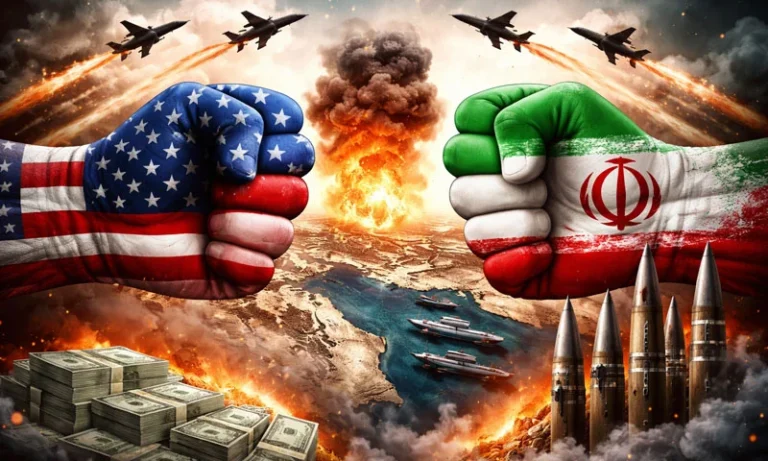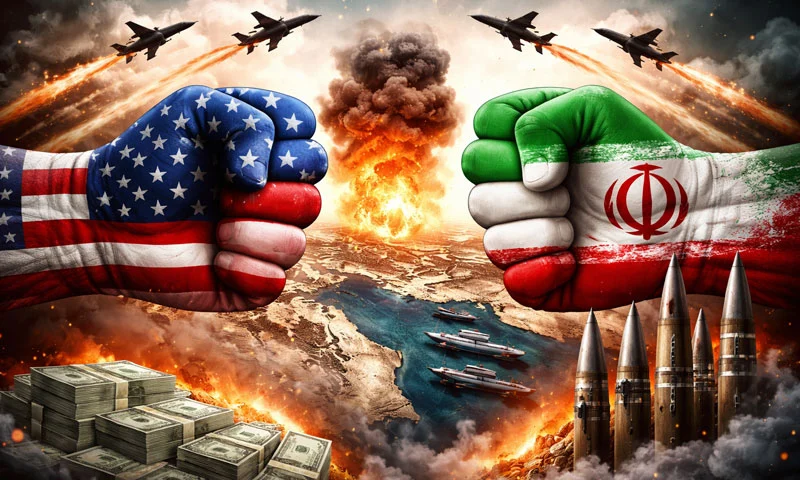
The United States has presented a comprehensive 15-point ceasefire plan to Iran as part of efforts to end the ongoing conflict that has raised tensions across the Middle East.
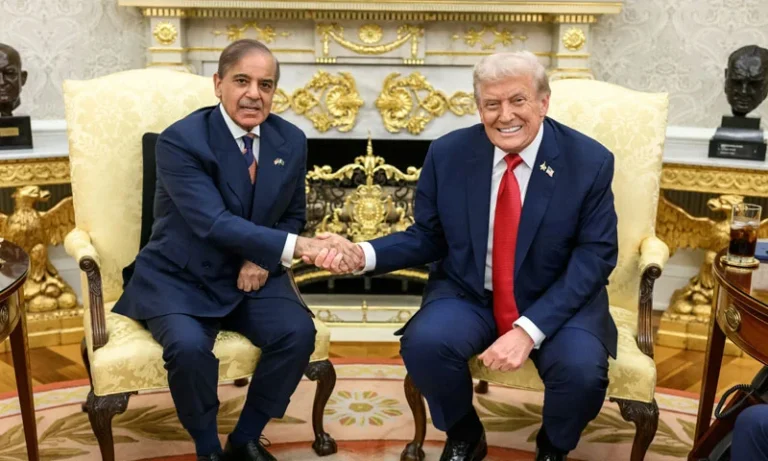
The proposal, reportedly conveyed through diplomatic channels including Pakistan, outlines a structured framework focused on nuclear restrictions, regional security, and stability in global energy markets.
Officials say the plan is designed to halt hostilities while creating a pathway for long-term peace negotiations.
Trump’s Key Demands from Iran
Under President Donald Trump’s proposal, Washington has outlined the following key conditions:
- Immediate halt to uranium enrichment
- Dismantling of key nuclear facilities
- Strict international monitoring of Iran’s nuclear program
- End to development of ballistic missiles
- Restrictions on long-range missile capabilities
- Full reopening of the Strait of Hormuz
- Guaranteed safe passage for global oil shipments
- End to support for regional proxy groups
- Reduction of military activities across the Middle East
- Commitment to regional de-escalation
- Cooperation with international inspectors
- Agreement to long-term nuclear compliance
- Full transparency in nuclear and military programs
- Avoidance of further escalation in the Gulf
- Participation in formal peace negotiations
These demands reflect US concerns over Iran’s nuclear ambitions, missile program, and regional influence.
Incentives Offered by the United States
In exchange, the US has offered several incentives to encourage Iran to accept the proposal:
- Complete lifting of economic and financial sanctions
- Restoration of access to global financial systems
- Removal of snapback sanctions
- Support for Iran’s civilian nuclear program
- Opportunities for economic cooperation and trade
- Gradual reintegration into global markets
Officials believe these incentives could ease economic pressure on Tehran and support diplomatic progress.
Iran’s Counter Demands and Conditions
Iran has responded with its own conditions, outlining key demands before agreeing to any ceasefire:
- Immediate and unconditional end to military operations
- Binding guarantees against future US or allied attacks
- Financial compensation for war-related damages
- Recognition of Iran’s right to maintain its nuclear program
- Rejection of dismantling nuclear infrastructure
- No restrictions on its ballistic missile program
- Continued control over the Strait of Hormuz
- Respect for Iran’s sovereignty and territorial integrity
- Complete removal of sanctions before compliance
- No external interference in its domestic or regional policies
Iran has made it clear that its missile program and strategic autonomy are non-negotiable.
Strait of Hormuz Remains Central to Crisis
The Strait of Hormuz has emerged as a critical point in the standoff. The waterway carries nearly 20 percent of global oil shipments, making it one of the most important energy routes in the world.
The US has pushed for its reopening, while Iran has used it as leverage in negotiations.
Pakistan’s Role in Mediation
Pakistan has emerged as a key diplomatic intermediary during the crisis.
Reports indicate that Islamabad has facilitated communication between the US and Iran and has offered to host talks between the two sides. This has placed Pakistan at the center of international efforts to de-escalate tensions.
A Fragile Path Toward Peace
Despite the detailed proposals, major differences remain between Washington and Tehran. Iran has denied formal negotiations, while the United States continues to keep military options open.
Experts say the coming days will be critical in determining whether diplomacy succeeds or tensions escalate further.